For overseas buyers, sourcing a reliable custom injection mold manufacturer in China represents a significant opportunity to achieve substantial cost savings, access advanced manufacturing capabilities, and accelerate product development. However, the path from initial inquiry to receiving perfect, production-ready molds is fraught with potential complexities. Missteps in supplier selection, communication, or quality control can quickly erode those anticipated benefits, leading to delays, cost overruns, and non-conforming tooling. This guide, tailored for the 2026 procurement landscape, provides a structured, actionable framework to navigate the process successfully. We move beyond generic advice to deliver practical solutions that address the real challenges faced by international procurement teams.
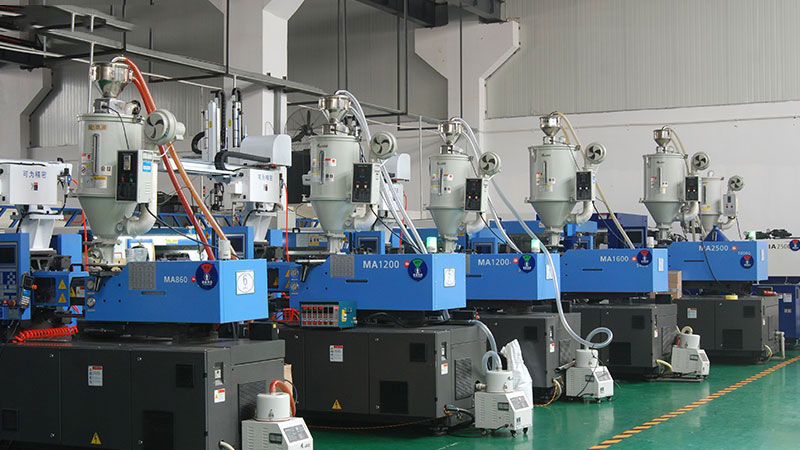
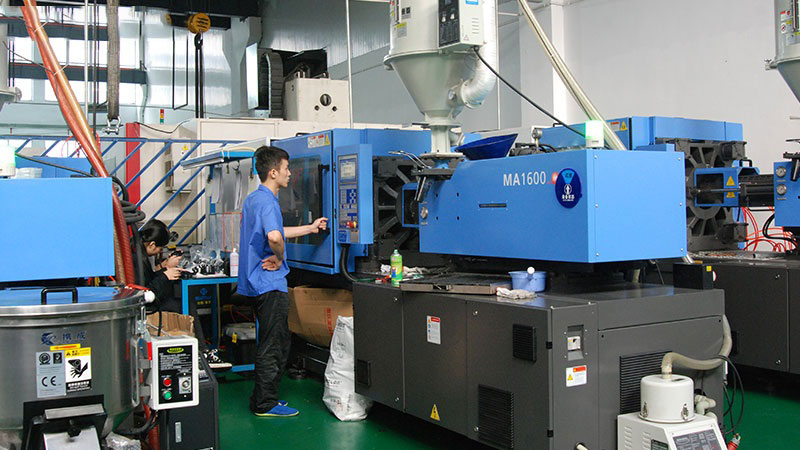
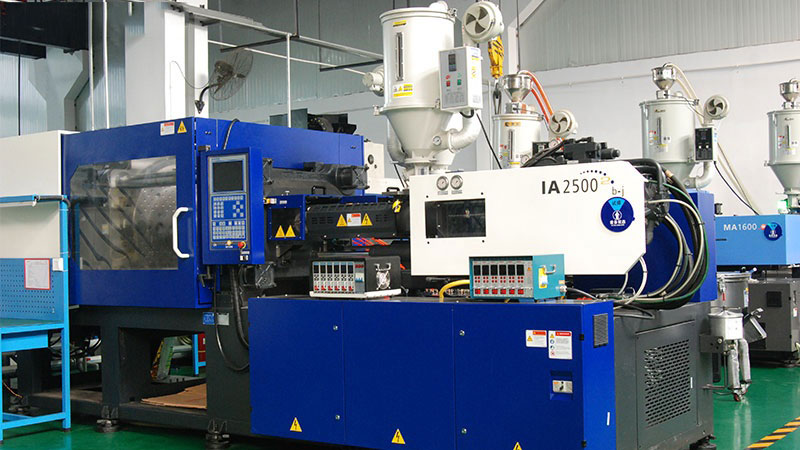
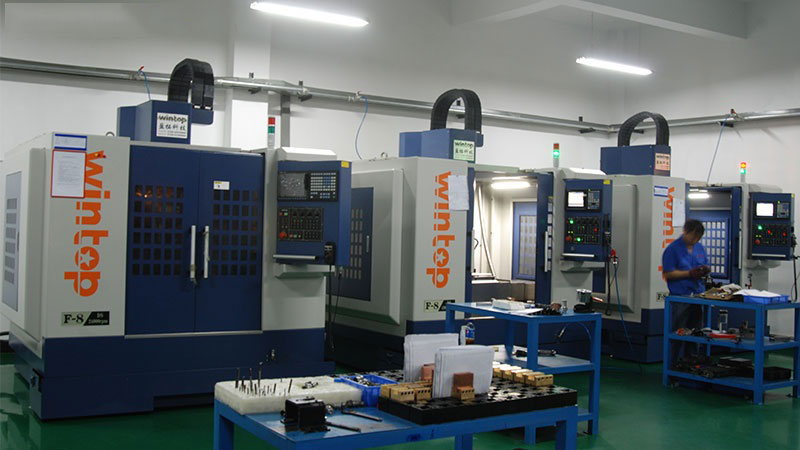
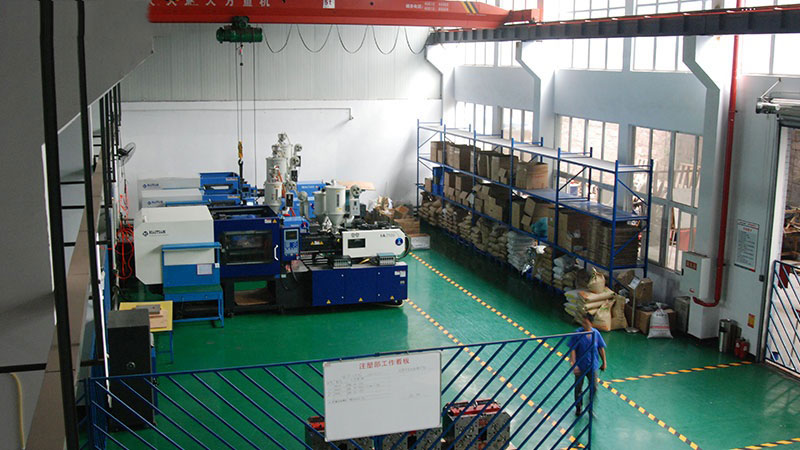
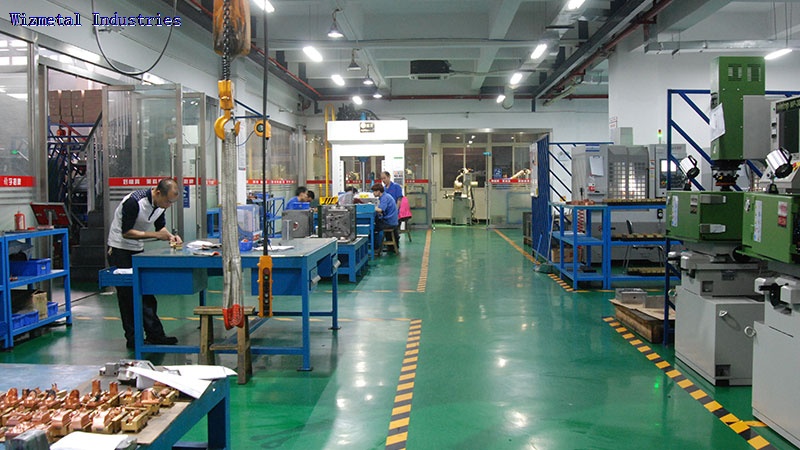
The cornerstone of a successful import project is rigorous supplier verification. In 2026, with digital platforms offering endless choices, due diligence is more critical than ever. Begin by moving past basic Alibaba listings. Seek a China mold factory with a proven track record in your specific industry, whether it be automotive components, medical devices, consumer electronics, or packaging. Request detailed case studies and, crucially, contact past international clients for references. A professional supplier will readily provide this. Utilize video calls to conduct virtual factory tours; assess the organization, machinery (look for modern CNC, EDM, and mold testing presses), and engineering department. Verify international certifications like ISO 9001:2015 as a baseline. This stage is not about finding the cheapest bidder, but identifying a competent partner capable of delivering a precision injection mold that meets your exact specifications.
Once a potential partner is identified, mastering the technical and commercial quotation phase is vital. A professional custom injection mold manufacturer will not provide a price based solely on a 3D model. They will conduct a Design for Manufacturability (DFM) analysis. Insist on this. A comprehensive DFM report will highlight potential issues in your part design that could affect moldability, cost, or cycle time, and propose solutions. The formal quotation should then be transparent and detailed, breaking down costs for mold base, cavity and core materials (e.g., H13, S136), number of cavities, hot runner system (if applicable), surface finishes, and all ancillary costs like T1 sample shipping. Clearly define payment terms—a common and balanced structure is 50% deposit, 40% upon pre-shipment approval, and 10% after successful mass production trial. This clarity prevents disputes and aligns expectations from the outset.
Proactive quality control, integrated throughout the manufacturing journey, is your primary defense against defects. Do not wait for the finished mold to begin inspections. Implement staged QC checkpoints. Key milestones include: a material certification review for the mold steel, in-process inspections of critical machining stages (e.g., after CNC roughing and EDM finishing), and a Final Sample Approval (FAI) process. For the FAI, the supplier should produce initial samples (T1) from the completed mold on a production-equivalent machine. You must receive these first-shot samples for dimensional verification, fit, function, and cosmetic appraisal. Employ a trusted third-party inspection service within China to conduct pre-shipment audits. They will check the final mold for workmanship, conformity to your drawings, and complete a sample run, providing documented evidence before the tool leaves the factory. This layered approach to quality control mitigates risk dramatically.
The logistical and legal framework of your procurement is equally important. Incoterms 2020 must be explicitly agreed upon. For most mold imports, FOB (Free On Board) named Chinese port is standard, giving you control over the main shipping leg and insurance. Ensure all technical documentation—final 3D files, 2D drawings with geometric dimensioning and tolerancing (GD&T), material specifications, and quality standards—are contractually annexed. The contract should also cover intellectual property (IP) protection, warranty period for the mold (typically 12-24 months against workmanship and material defects), and terms for mold repair and maintenance. Post-delivery, establish a clear protocol for storage of mold design files and future modifications. A professional partner will manage this systematically, ensuring a smooth handover and a foundation for any future production orders.
In conclusion, importing a custom injection mold from China in 2026 demands a strategic blend of traditional procurement diligence and modern collaborative partnership. The process extends far beyond a simple purchase; it is a technical co-development project. Success is achieved by meticulously verifying your China mold factory, engaging deeply in the DFM and quotation process, implementing a multi-stage quality control regime, and solidifying agreements with clear logistics and legal terms. By following this structured approach, you transform the procurement journey from a source of anxiety into a competitive advantage. You secure not just a tool, but a long-term manufacturing asset from a reliable custom injection mold manufacturer, enabling you to bring high-quality products to market efficiently and cost-effectively.
Work With Us
As a professional China mold manufacturer, we provide one-stop mold solution for overseas buyers.
📞 Phone: +86-18605944639
💬 WhatsApp: +8618605944639
🌐 Website: bestmoldworks.com
📧 Email: [email protected]