Blog

  • Mold customization kit: Ultimate Guide for Buyers 2026

    For overseas buyers, the decision to import molds from China represents a significant strategic advantage, offering unparalleled cost efficiency and manufacturing scale. However, navigating the procurement process for a custom injection mold can be fraught with complexity. The concept of a “mold customization kit” isn’t a physical product, but a metaphorical toolkit—a systematic approach comprising verified processes, checklists, and strategic knowledge. This guide for 2026 is that essential kit, designed to equip you with actionable solutions to source high-quality molds confidently and avoid common pitfalls.

    The cornerstone of your procurement success lies in meticulous supplier verification. Moving beyond simple online directories is crucial. Begin with a multi-layered vetting process. First, verify business licenses and export credentials through official Chinese platforms. Second, demand technical capability audits. A reputable China mold factory should readily provide detailed case studies, videos of their machining centers (like CNC, EDM), and evidence of their experience with materials similar to your project. Third, initiate a video conference facility tour. A real-time walkthrough of their production floor, quality control lab, and assembly area is invaluable. This step separates trading companies from genuine manufacturers and forms the first, most critical component of your effective mold customization kit.

    With a shortlisted supplier, translating your design into a manufacturable injection mold requires precise communication and technical alignment. Never assume your CAD files are self-explanatory. Prepare a comprehensive Technical Specification Package. This should include, but not be limited to: material specifications (grade and shrink rate), cavity pressure expectations, surface finish requirements (SPI standards), tolerance levels for critical dimensions, and details on part ejection. Discuss mold flow analysis upfront; a competent supplier will use this simulation to anticipate and resolve filling, warpage, and cooling issues before steel is cut. This proactive engineering dialogue ensures your chosen China mold factory fully understands the project’s scope, preventing costly revisions later.

    A robust quality control protocol, integrated from the start, is non-negotiable. Your procurement strategy must mandate staged inspections. Key milestones include: a First Article Inspection (FAI) after the mold design is finalized, a T1 sample inspection when the first parts are produced from the finished mold, and a pre-shipment audit of the mold itself. For critical projects, engage a trusted third-party quality inspection service in China for the T1 sample stage. They can check part dimensions against your CAD data using CMMs, document surface finishes, and test assembly fit. Clearly define acceptance criteria for part quality (e.g., allowable flash, sink marks) and mold performance (cycle time, durability) in your purchase contract. This layered QC approach de-risks your investment significantly.

    The commercial and logistical framework is as vital as the technical one. Seek detailed, fixed-price quotations that break down costs for mold design, materials (steel grade like P20, H13, etc.), machining, trials, and post-sales support. Beware of vague quotes. Understand payment terms; a common and balanced structure is 40% deposit, 50% upon approval of T1 samples, and 10% before shipment. For logistics, discuss packaging standards—molds should be crated, rust-prevented, and securely mounted. Clarify responsibilities for export documentation, shipping, and insurance. Furthermore, negotiate clear terms for mold maintenance, repair, and the production of future spare parts. A professional supplier will offer ongoing support, which is a key indicator of reliability.

    Finalizing your order and planning for the future turns a single transaction into a lasting partnership. Before production commences, ensure all agreed-upon specifications are documented in a formal purchase order and contract. Use the approval of T1 samples as your final quality gate; only approve and trigger the final payment when samples meet all criteria. Upon mold reception at your facility, schedule a production run with your local injection molder as soon as possible to validate performance. Finally, systematically archive all project data—final CAD files, inspection reports, steel certificates, and mold maintenance manuals. This complete archive becomes a living part of your strategic mold customization kit, invaluable for re-ordering or developing new projects with your now-verified partner.

    Successfully importing a custom injection mold from China in 2026 demands a disciplined, process-oriented approach. By assembling your own procedural mold customization kit—built on rigorous supplier verification, unambiguous technical communication, staged quality control, and clear commercial terms—you transform a complex international procurement challenge into a manageable, repeatable process. This methodology not only secures a high-quality tool for your immediate needs but also establishes a trusted supply chain relationship that delivers competitive advantage for years to come. Begin your next project with this toolkit in hand, and navigate the market with confidence and clarity.

    Work With Us

    As a professional China mold manufacturer, we provide one-stop mold solution for overseas buyers.
    📞 Phone: +86-18605944639
    💬 WhatsApp: +8618605944639
    🌐 Website: bestmoldworks.com
    📧 Email: [email protected]
  • how to make custom mold: Complete Procurement Guide 2026

    For overseas buyers and product developers, mastering the process of how to make custom mold is a critical step in bringing innovative plastic, rubber, or die-cast parts to market. China remains the global epicenter for mold manufacturing, offering a compelling combination of advanced technical capability, extensive supply chain integration, and competitive cost structures. However, navigating this complex landscape requires a strategic and informed approach to procurement. This 2026 guide is designed to cut through the noise and provide you with a professional, actionable framework for successfully importing high-quality molds from China, mitigating risks, and ensuring your project’s success from concept to production.

    The foundation of a successful custom mold project lies in meticulous preparation before you ever contact a potential China mold factory. Begin by developing comprehensive and unambiguous technical specifications. This package should extend beyond basic 3D CAD files (typically in STEP or IGES format) to include a detailed mold design specification. This document must articulate critical factors such as the intended production material (e.g., ABS, PP, PC), expected annual volumes, cosmetic requirements (texture, polish), cavity count, cycle time targets, and part tolerances. Furthermore, clarify post-mold operations like assembly or ultrasonic welding. Investing time here prevents costly misunderstandings and change orders later, allowing suppliers to provide accurate quotations and timelines. A well-prepared RFQ (Request for Quotation) signals professionalism and enables you to compare bids on a like-for-like basis.

    With your specifications finalized, the critical phase of supplier verification begins. In 2026, simply browsing Alibaba is insufficient for a strategic procurement partner. A rigorous verification process is non-negotiable. Start by shortlisting potential China mold factories based on their proven experience with your specific type of injection mold or product sector. Scrutinize their online portfolio and request case studies. The essential next step is a virtual or, ideally, in-person factory audit. Assess their machinery (the brand and age of CNC, EDM, and CMM equipment), in-house capabilities (can they handle design, machining, and trial all internally?), and quality management systems. Crucially, request and contact references from their existing overseas clients. Verify their business licenses and export history. A reliable partner is not just a manufacturer but a solutions provider who can offer design for manufacturability (DFM) feedback to optimize your part and mold for cost and performance.

    After selecting a partner, professional project management and contractual clarity become your primary tools for success. A clear, milestone-based contract is imperative. This agreement should detail payment terms (e.g., 30-40% deposit, 40% after T1 sample approval, balance before shipment), intellectual property (IP) ownership and protection clauses, a defined project timeline with key stages (design review, mold fabrication, T1 trial, sampling), and precise acceptance criteria for the final mold. Maintain regular, structured communication using project management tools or weekly update meetings. Insist on receiving photographic and video evidence of progress at each major machining stage. For the first article inspection, plan to be physically present at the factory for the T1 sample trial. This allows for real-time evaluation of the part, discussion of any flash, sink marks, or dimensional issues, and collaborative problem-solving with the mold team before final adjustments are made.

    Implementing a robust quality control protocol throughout the manufacturing process is what separates successful imports from costly failures. Do not rely solely on final inspection. Engage a third-party quality inspection agency familiar with mold and precision machining to conduct critical stage inspections (DSI) and pre-shipment inspections (PSI). The DSI should verify the quality of the mold base, core, and cavity materials (using spectrometer tests if specified), the precision of critical dimensions on the finished mold steel using CMM reports, and the smoothness of actions like slider and ejector movement. After sampling, the focus shifts to the parts produced. The PSI should audit the final production samples against your approved master sample and drawings, checking dimensions, appearance, and function. This layered QC approach ensures that any deviation is caught early when rectification is most efficient and cost-effective.

    The final phase involves logistics, knowledge transfer, and planning for the long-term relationship. Understand the Incoterms 2020 you agree upon; FOB is common, giving you control over shipping and insurance. Ensure all mold design drawings, CMM reports, and final sample data are transferred to you as part of the deliverable package. This technical documentation is vital for future maintenance, repairs, or duplicating the mold. Discuss and agree on warranty terms for the mold (typically covering workmanship and materials for one year) and the process for handling future maintenance or spare parts. A trustworthy China mold factory will support you throughout the mold’s lifecycle. View this not as a single transaction but as the start of a partnership that can streamline your future product development and procurement cycles.

    Successfully navigating how to make custom mold in China is a systematic process that balances technical diligence with relationship management. By following this 2026 procurement guide—emphasizing detailed preparation, rigorous supplier verification, structured project management, proactive quality control, and clear logistics—you transform a complex international endeavor into a predictable and rewarding business operation. The goal is to secure not just a tool, but a competitive advantage: a high-precision, durable mold that produces consistent, high-quality parts, enabling you to innovate and compete in your market. With the right partner and process, sourcing your custom injection mold from China remains one of the most strategic decisions for scalable product manufacturing.

    Work With Us

    As a professional China mold manufacturer, we provide one-stop mold solution for overseas buyers.
    📞 Phone: +86-18605944639
    💬 WhatsApp: +8618605944639
    🌐 Website: bestmoldworks.com
    📧 Email: [email protected]
  • custom plastic mold Manufacturerturer near me: Ultimat 2026

    For overseas buyers, the search for a “custom plastic mold manufacturer near me” often leads to a critical realization: the most competitive solutions in terms of expertise, scalability, and cost are frequently found not locally, but across the globe. In 2026, the paradigm has shifted. “Near me” is no longer a geographic constraint but a measure of logistical ease, communication clarity, and supply chain reliability. This guide is designed for procurement specialists, product developers, and business owners looking to navigate the sophisticated landscape of custom plastic injection mold manufacturing in China. We move beyond simple directory listings to provide a strategic framework for building a successful and stress-free partnership with a top-tier China mold factory.

    The initial phase of your project sets the foundation for everything that follows. A precise and comprehensive technical package is your most powerful tool. Before you even begin supplier verification, invest time in creating detailed 3D CAD models, fully dimensioned 2D drawings, and a clear product requirements document. This should specify the intended plastic material, expected annual volumes, critical tolerances, surface finish requirements, and part function. Presenting this level of detail does more than just facilitate an accurate quotation; it immediately signals professionalism to potential suppliers. It separates serious buyers from casual inquiries and enables a China mold factory to assess the project’s complexity accurately, propose suitable steel types, and identify potential manufacturing challenges upfront. This step minimizes costly misunderstandings and revisions later in the process.

    With a solid technical package in hand, the next critical step is rigorous supplier verification. In 2026, due diligence goes far beyond checking a company website. Start by leveraging B2B platforms but use them as a discovery tool, not a vetting tool. Prioritize manufacturers with verifiable export experience, preferably in your industry or with similar part complexities. Request and actually contact past client references from your region. A pivotal action is to conduct a virtual factory audit. Insist on a live video tour of the production floor, not a pre-recorded video. This allows you to observe their machinery, gauge workshop organization, see their quality control stations in real-time, and assess their engineering team’s capability. Verify their certifications, but understand their practical application. A modern custom plastic mold manufacturer near your operational needs is one that feels transparent and accessible, despite the distance.

    The cornerstone of a successful import partnership is a mutually clear and protective contract. Your procurement agreement must be explicit, covering far more than just price and delivery time. It should detail the mold specification, including steel grade and hardness, cavity life expectancy, and ownership rights. Crucially, integrate a staged payment schedule that aligns with key milestones: deposit upon order, payment after first article inspection, and final payment after approval of mass production samples. Define the sample approval process, specifying who is responsible for shipping costs and the number of revisions included. Most importantly, embed your quality control protocols directly into the contract. Stipulate the use of Dimension Inspection Reports, material certificates, and pre-shipment sample approvals. This legal framework transforms expectations into enforceable standards, protecting your investment.

    Proactive quality control is non-negotiable. Partnering with a reputable China mold factory means collaborating on quality, not just inspecting for it. The process should begin at the First Article Inspection. Require actual sample parts from the production mold, along with a full inspection report. For critical dimensions, insist on results from Coordinate Measuring Machines. Do not approve the mold until these samples meet all your specifications. For ongoing production, consider a layered approach. While the factory conducts its own QC, periodic audits by a trusted third-party inspection service based in China provide an objective check. This is especially valuable during initial production runs. Clear communication channels for addressing any issues must be established, ensuring that corrective actions are swift and effective. This continuous oversight ensures that the high standards of your approved sample are maintained throughout your production cycles.

    Effective communication and logistics planning are the final pillars of your strategy. Establish a primary point of contact on the supplier’s side who is proficient in English and technically knowledgeable. Utilize collaborative tools for regular updates, including shared cloud folders for drawings and photos. Regarding logistics, discuss Incoterms explicitly with your supplier. Options like FOB are common, giving you control over the shipping line and final freight costs. Plan for mold transportation carefully; ensure the mold is properly crated and protected for ocean freight. Factor in lead times for shipping and customs clearance in your project timeline. A reliable custom plastic mold manufacturer will be experienced in export procedures and can provide necessary documentation, but understanding the process yourself prevents last-minute delays.

    In conclusion, the quest for a “custom plastic mold manufacturer near me” in 2026 is ultimately a quest for a reliable, transparent, and highly capable partner, regardless of physical location. By mastering the steps of precise technical definition, thorough supplier verification, contract clarity, embedded quality control, and strategic communication, you transform the complexity of international procurement into a competitive advantage. The Chinese mold manufacturing sector is more accessible and professional than ever, but success demands a structured and diligent approach. By following this actionable framework, you position yourself to secure not just a tool, but a long-term manufacturing asset that delivers consistent quality, drives innovation, and supports the growth of your product line for years to come.

    Work With Us

    As a professional China mold manufacturer, we provide one-stop mold solution for overseas buyers.
    📞 Phone: +86-18605944639
    💬 WhatsApp: +8618605944639
    🌐 Website: bestmoldworks.com
    📧 Email: [email protected]
  • Create custom molds: Reliable Manufacturers Guide 2026

    For overseas buyers and product developers, the decision to create custom molds represents a critical juncture in bringing an innovative idea to market. China remains the global epicenter for mold manufacturing, offering unparalleled expertise, scalability, and cost efficiency. However, navigating this complex landscape to find a truly reliable partner can be daunting. This guide for 2026 cuts through the noise, providing a professional, actionable framework for your procurement journey. We focus on solving real problems—from initial supplier verification to final quality control—ensuring your project lands in capable hands.

    The cornerstone of a successful project is rigorous supplier verification. Moving beyond Alibaba listings and polished websites is non-negotiable. In 2026, due diligence must be multi-faceted. Start by verifying business licenses and export credentials. Then, insist on a live video tour of the China mold factory. This allows you to assess machinery (look for modern CNC, EDM, and injection molding machines), workshop organization, and in-house capabilities. Crucially, request and contact references from past overseas clients with similar project scopes. A reliable manufacturer will have a portfolio of successful partnerships and transparent communication from the outset. This step filters out trading companies masquerading as factories and identifies true producers.

    Once a potential partner is shortlisted, mastering the technical and commercial discussion is key. Your goal to create custom molds depends on a perfectly aligned specification. Provide comprehensive 3D drawings (STEP or IGS format) with clear material selection, tolerances, cavity requirements, and expected production volume. For injection mold projects, discuss mold flow analysis upfront; a competent factory will use this simulation to predict and prevent defects, saving costly revisions later. Be explicit about surface finish requirements (SPI standards) and any texturing. On the commercial side, understand the payment terms (typically 30-50% deposit), detailed cost breakdown, and most importantly, a phased project timeline with milestones for design review, T1 sample, and delivery.

    Proactive quality control integrated throughout the manufacturing process, not just at inspection, is what separates good suppliers from great ones. Agree on a Quality Control Plan before work begins. This should include provisions for material certificates for core steel, in-process photos of key stages (machining, heat treatment, assembly), and a First Article Inspection report. For injection molds, the T1 sample is the ultimate test. Specify that samples must be produced from the mold on the factory’s own injection molding machines, using production-intent materials. This reveals functionality issues early. Consider engaging a local third-party QC agency for a Pre-Shipment Inspection to verify dimensions, craftsmanship, and sample performance against your master sample, providing an objective final gate before shipment.

    The final phase encompasses logistics, intellectual property protection, and building a long-term relationship. Ensure the contract includes clear terms for IP confidentiality, mold ownership, and tooling maintenance. Discuss packaging—molds require robust, moisture-resistant crating for ocean freight. Understand Incoterms; FOB is common, giving you control over shipping and insurance. Upon receipt, conduct a thorough inspection at your facility. A reliable China mold factory will offer support during your initial production runs and be available for mold maintenance or modifications. View this procurement not as a one-time transaction but as forging a strategic partnership for future product development.

    Successfully navigating the process to create custom molds in China is a systematic exercise in diligence, clear communication, and managed risk. The landscape in 2026 demands a professional approach that prioritizes deep supplier verification, technical collaboration, embedded quality control, and strategic partnership. By following this guide, overseas buyers can transform the inherent complexities of offshore mold manufacturing into a competitive advantage, securing high-quality tooling that delivers precision, performance, and value for years to come. Your ideal manufacturing partner is out there; equipped with these actionable strategies, you are now prepared to find them.

    Work With Us

    As a professional China mold manufacturer, we provide one-stop mold solution for overseas buyers.
    📞 Phone: +86-18605944639
    💬 WhatsApp: +8618605944639
    🌐 Website: bestmoldworks.com
    📧 Email: [email protected]
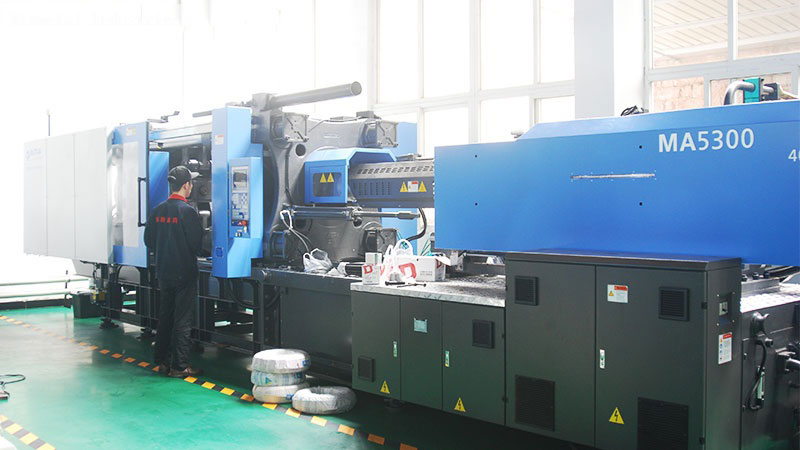
  • customized plastic mould Manufacturerturer in China: Be 2026

    For overseas buyers, sourcing a reliable customized plastic mould manufacturer in China remains one of the most impactful decisions for product development, cost efficiency, and market competitiveness. As we look toward 2026, the landscape is not static; it is evolving with smarter technology, higher expectations for transparency, and more sophisticated supply chain dynamics. The opportunity to access high-quality, cost-effective injection molds is immense, but so is the challenge of navigating a vast and varied supplier base. This guide cuts through the noise to provide a professional, actionable framework for your procurement success, helping you solve real problems in supplier verification, communication, and quality control.

    Mastering Supplier Verification and Vetting in the Digital Age

    The foundational step, and perhaps the most critical, is moving beyond Alibaba listings and superficial website reviews. A true China mold factory worth partnering with in 2026 will have a verifiable digital footprint that demonstrates capability and stability. Start with a deep-dive technical audit. Request and scrutinize detailed case studies that match your industry and mold complexity. Insist on video factory tours—not pre-recorded marketing reels, but live walks through their CNC, EDM, and quality inspection departments. Utilize professional third-party verification services to confirm business licenses, export history, and factory audits. Crucially, check their investment in Industry 4.0 technologies; a manufacturer integrating IoT sensors on machines for predictive maintenance and digital twin concepts for mold design is likely a forward-thinking partner prepared for the demands of 2026. This level of due diligence separates commodity workshops from strategic manufacturing partners.

    Implementing a Phased Payment and Prototype Milestone System

    Financial terms are where trust is operationalized. The standard 50% deposit, 50% before shipment model carries significant risk for the buyer. To mitigate this, structure payments around tangible, verified milestones. A more secure framework for 2026 could be: 30% upon approval of the final 3D design and DFM report, 40% upon completion of mold trials and your approval of first-shot samples (with full inspection reports), and the final 30% upon pre-shipment quality validation. This aligns the manufacturer’s cash flow with your project progress and incentivizes them to move efficiently to each milestone. It transforms the procurement process from a blind transaction into a collaborative project with clear checkpoints. Always ensure sample parts are shipped to you for hands-on evaluation; never approve based on photos or videos alone.

    Establishing Unambiguous Technical and Quality Protocols from Day One

    Ambiguity is the enemy of quality. Your technical package must be exhaustive and legally binding as part of the purchase order. Beyond part drawings, it must specify the steel grade and brand (e.g., ASSAB 718, DIN 1.2344), surface finish requirements (SPI standards), tolerance classes, mold life expectancy in cycles, and details for all components like hot runners and sliders. Crucially, define the quality control process. Which measurements will the China mold factory perform, and with what equipment? At a minimum, require a First Article Inspection report with CMM data. Specify the sampling process for trial shots and the metrics for acceptance. Will you use PPAP? Clarify who is responsible for mold maintenance documentation. By setting these protocols upfront, you create an objective benchmark for acceptance, preventing subjective disputes and ensuring the delivered injection mold meets your exact production needs.

    Building a Partnership Through Proactive Communication and Project Management

    Viewing your manufacturer as a mere vendor is a strategic misstep. The most successful import relationships in 2026 will be managed as true technical partnerships. This requires dedicated, clear communication channels. Insist on a single, fluent English-speaking project manager as your primary point of contact, supported by the engineering team. Use collaborative project management tools that allow for shared Gantt charts, document version control, and transparent issue tracking. Schedule weekly video conference updates that include screen-sharing for design reviews and problem-solving. This proactive approach allows you to catch potential deviations early, fosters a shared sense of project ownership, and builds the relational capital necessary to navigate unforeseen challenges smoothly. Effective communication is the lubricant that ensures the complex machinery of custom mold manufacturing runs without costly breakdowns.

    Planning for Long-Term Success: Maintenance, Logistics, and IP Protection

    Your engagement with a customized plastic mould manufacturer in China does not end at shipment. Plan for the total lifecycle. Discuss and agree on terms for mold maintenance, repair, and storage. Will they hold the mold, and at what cost? Do they provide spare parts? For logistics, understand the Incoterms thoroughly. FOB Shanghai gives you more control over shipping and insurance than EXW. For critical molds, consider investing in professional mold transportation crating and insurance. Finally, intellectual property protection must be addressed contractually. Ensure a robust Non-Disclosure Agreement and a contract that clearly states you own all design and tooling IP. While legal enforcement across borders is complex, a clear contract with a reputable factory is a strong deterrent and your primary tool for protection.

    Conclusion

    Importing customized plastic molds from China in 2026 demands a blend of rigorous old-school diligence and new-school digital collaboration. The goal is to transform a process fraught with perceived risk into a streamlined, predictable, and highly advantageous component of your supply chain. By executing methodical supplier verification, structuring milestone-based payments, defining ironclad technical specifications, fostering partnership-level communication, and planning for the mold’s entire lifecycle, you position your business for success. The right China mold factory is not just a supplier; it is an extension of your engineering and production capability. By applying these actionable strategies, you can confidently navigate the market, secure a competitive edge, and build a manufacturing partnership that delivers quality and innovation for years to come.

    Work With Us

    As a professional China mold manufacturer, we provide one-stop mold solution for overseas buyers.
    📞 Phone: +86-18605944639
    💬 WhatsApp: +8618605944639
    🌐 Website: bestmoldworks.com
    📧 Email: [email protected]

  • custom molds: Complete Procurement Guide 2026 | China Mold Factory

    For overseas buyers, the decision to import custom molds from China represents a significant strategic advantage, offering unparalleled cost efficiency and manufacturing scalability. However, navigating this complex landscape can be daunting. Missteps in supplier selection or quality control can quickly erode projected savings. This comprehensive guide for 2026 is designed to cut through the noise, providing a professional, actionable framework for procuring high-quality custom molds from a reliable China mold factory. We move beyond theory to solve the real problems you face in supplier verification, communication, and quality assurance.

    The foundation of a successful procurement project is rigorous supplier verification. In 2026, due diligence goes far beyond checking a website and requesting a quote. Begin with a multi-faceted audit of potential partners. Scrutinize their digital presence: a professional website is a baseline, but deeper insight comes from examining their project portfolios, technical white papers, and presence on professional B2B platforms like Made-in-China or Alibaba, focusing on transaction history and verified reviews. Crucially, insist on a live video audit of the China mold factory. This allows you to verify machinery, workshop organization, and quality control stations in real-time. Demand references for similar projects, specifically for overseas clients, and contact them to inquire about communication efficacy and post-sales support. This step filters out trading companies masquerading as manufacturers and identifies partners with genuine expertise in your specific type of injection mold or production process.

    Once a qualified supplier is shortlisted, mastering technical and commercial communication is paramount. The goal is to create an unambiguous, legally sound framework for the project. Develop a comprehensive Request for Quotation (RFQ) package that includes not just part drawings, but also a detailed specification sheet covering material grades (e.g., P20, H13 steel), surface finish requirements (SPI standards), tolerance levels, expected cycle life, and all critical dimensions. Clearly state your expectations for deliverables: 3D mold design for approval, DFM (Design for Manufacturability) report, mold flow analysis, and sample parts from the first trial. The commercial negotiation must transparently address Incoterms 2020—typically FOB or EXW—to clarify responsibilities and costs. Ensure the contract explicitly covers payment terms (e.g., 30-50% deposit, balance before shipment), intellectual property protection clauses, and a clear protocol for handling non-conforming molds, including remedies and liabilities.

    Proactive quality control, integrated throughout the manufacturing lifecycle, is non-negotiable. Do not rely on a single pre-shipment inspection. Implement a staged inspection protocol managed either by your in-house team or a trusted third-party inspection service based in China. Key inspection points should include a first article inspection after the mold steel is machined to check critical dimensions, a Trial Run Sample Inspection (T1) to validate part quality and function, and a Final Random Inspection (FRI) before shipment to verify packaging and documentation. For injection mold projects, the T1 sample is critical; it provides the first tangible evidence of the mold’s performance. Test these samples rigorously against your product specifications. This phased approach identifies issues early, when they are less costly and time-consuming to correct, and ensures the final product aligns with your expectations before it leaves the factory floor.

    The journey does not end when the mold is shipped. Planning for logistics, importation, and long-term support is essential for a complete procurement strategy. Work with your China mold factory and a reputable freight forwarder to ensure proper packaging—often wooden crates for protection—and accurate customs documentation, including a commercial invoice, packing list, and certificate of origin. Understand the import duties and regulations specific to your country for tooling. Furthermore, establish a clear post-sales support agreement. This should cover the warranty period for the mold (typically one year against manufacturing defects), the availability and cost of spare components like cores and ejector pins, and the supplier’s policy on providing maintenance guidance or repair services. A reliable partner will view this as an ongoing relationship, not a one-time transaction.

    In conclusion, successfully importing custom molds from China in 2026 demands a disciplined, informed approach that prioritizes verification, clear communication, and embedded quality control. By treating the procurement process as a strategic partnership rather than a simple purchase, you mitigate risks and unlock the full value proposition of Chinese manufacturing. The ideal China mold factory is an extension of your own engineering team, committed to transforming your design into a durable, high-precision tool. By following this guide, you equip yourself with the knowledge to select such a partner, navigate the complexities of international procurement, and secure a critical asset that will drive your product’s quality and profitability for years to come.

    Work With Us

    As a professional China mold manufacturer, we provide one-stop mold solution for overseas buyers.
    📞 Phone: +86-18605944639
    💬 WhatsApp: +8618605944639
    🌐 Website: bestmoldworks.com
    📧 Email: [email protected]

  • precision injection mold maker: Complete Procurement Gu 2026

    Importing precision injection molds from China remains a strategic move for businesses worldwide seeking to optimize manufacturing costs without sacrificing quality. However, the landscape is evolving rapidly. The journey from identifying a potential partner to receiving flawless molds involves nuanced challenges. This 2026 guide is crafted for overseas buyers who require a professional, no-nonsense roadmap. We move beyond generic advice to deliver actionable solutions for vetting, collaborating with, and securing high-quality tooling from a reliable precision injection mold maker in China.

    The foundation of any successful import project is rigorous supplier verification. The term “China mold factory” encompasses a vast spectrum, from rudimentary workshops to technologically advanced enterprises. Your first actionable step is to move beyond Alibaba listings. Utilize professional B2B platforms like Global Sources or Made-in-China, which often feature more established suppliers. However, true verification begins with due diligence. Request a detailed company profile including years in operation, primary industries served, and list of major overseas clients. Insist on a virtual factory tour via video call; a reputable supplier will readily showcase their CNC machining centers, EDM equipment, and CMM inspection rooms. Crucially, ask for and contact references from past international clients, specifically those in your industry. This direct feedback is invaluable in assessing a supplier’s communication, problem-solving ability, and adherence to schedules. Verifying a supplier’s export experience ensures they understand international standards, shipping documentation, and IP protection protocols, which are non-negotiable for a smooth procurement process.

    Once a shortlist is established, mastering the technical and commercial discussion is critical. A professional precision injection mold maker will not provide a quotation based solely on a 3D model of your final product. They require a complete mold design, which they can create for you. Be prepared to discuss in detail: material selection for the mold (such as P20, H13, or stainless steel), cavity count, expected cycle time, and lifetime volume. Clearly define your part material, as this influences gate design and cooling. The 2026 procurement landscape demands clarity on all cost drivers. Request a breakdown that includes mold base cost, core and cavity machining, slider/lifter mechanisms, hot runner system (if applicable), and trial run fees. Understand payment terms; a common and balanced structure is 50% deposit, 40% before shipment, and 10% after successful sample approval. Never agree to 100% upfront payment. Furthermore, explicitly state ownership of the mold design and tooling in your contract, and confirm the supplier’s process for handling and protecting your intellectual property.

    Implementing a staged quality control protocol is your primary risk mitigation tool. Relying solely on final inspection is a significant gamble. Instead, integrate QC checkpoints at critical milestones. First, approve the mold design review (DFM report) which should highlight potential issues with part geometry, wall thickness, and ejection. Second, require photographic or video evidence of key machining stages, such as after the rough machining of the core and cavity and after heat treatment. The most critical phase is the First Article Inspection (FAI). Do not accept samples shipped without data. Your supplier must provide a comprehensive First Article Inspection Report alongside at least 3-5 sample parts. This report should include CMM results verifying critical dimensions against your CAD drawing, along with material certification. For high-volume projects, consider engaging a local third-party inspection agency to witness the final trial run and conduct pre-shipment inspection. This independent verification of part dimensions, appearance, and function is a worthwhile investment that prevents costly disputes and delays upon arrival.

    The final phase, encompassing logistics and long-term partnership, dictates the ultimate success of your procurement. Clearly define Incoterms 2020 with your chosen China mold factory. For most buyers, FOB (Free On Board) is recommended, as it gives you control over the main shipping freight and insurance. Ensure the supplier provides a professional packing list, commercial invoice, and the required customs declaration documents. Molds should be crated securely in wooden boxes with proper waterproofing and desiccant to prevent rust during sea freight. For long-term collaboration, establish a system for mold maintenance and storage. Discuss terms for the supplier safely storing your mold and the costs associated with future production runs or modifications. Building a transparent relationship with a competent injection mold supplier transforms them from a simple vendor into a strategic manufacturing partner, enabling you to iterate products and scale production efficiently.

    Procuring precision injection molds from China in 2026 demands a methodical, informed approach centered on verification, clear communication, and proactive quality control. The potential for cost savings and access to advanced manufacturing capabilities is immense, but it is unlocked only through diligent process. By treating supplier selection as a strategic investment, mastering the technical dialogue, implementing staged inspections, and formalizing logistics and partnership terms, you significantly de-risk your supply chain. The goal is to move beyond finding a supplier to cultivating a reliable partnership with a precision injection mold maker who is an extension of your own engineering and quality teams. This disciplined framework empowers you to navigate the complexities of international procurement with confidence, securing the high-quality tooling essential for your product’s success in the global market.

    Work With Us

    As a professional China mold manufacturer, we provide one-stop mold solution for overseas buyers.
    📞 Phone: +86-18605944639
    💬 WhatsApp: +8618605944639
    🌐 Website: bestmoldworks.com
    📧 Email: [email protected]

  • plastic injection mold: Ultimate Guide for Buyers 2026

    Importing a plastic injection mold from China remains one of the most strategic decisions for global businesses seeking to optimize manufacturing costs and access advanced engineering capabilities. However, the journey from concept to a high-quality, production-ready tool in your facility is fraught with potential complexities. This guide for 2026 cuts through the noise to provide overseas buyers with a professional, actionable framework for successful procurement. We will move beyond basic advice and delve into the modern practices that separate successful, long-term partnerships from costly mistakes, focusing on finding a reliable China mold factory and ensuring a smooth project lifecycle.

    The cornerstone of a successful import project is selecting the right partner, not just the lowest bidder. Supplier verification in 2026 requires a multi-layered approach. Begin with a deep technical review: request and meticulously analyze case studies for molds similar in size, complexity, and material to your project. Do not rely solely on glossy brochures. Initiate a video conference for a virtual factory tour; observe the shop floor organization, the age and maintenance of machining centers (like EDM, CNC, and deep-hole drilling), and the working environment. Crucially, request direct conversations with the project manager and lead engineer who will handle your account. Assess their communication skills, understanding of your requirements, and their problem-solving approach. Verify business licenses and export history, but prioritize evidence of technical competency and process transparency.

    Once a potential partner is identified, mastering the quotation and development phase is critical. A professional China mold factory will provide a detailed breakdown, not a single lump sum. Scrutinize this breakdown. It should itemize mold base materials (brand and hardness, e.g., LKM or HASCO standard), core and cavity steel grade (such as NAK80, S136, or P20), number of cavities, cooling system design, ejection mechanism, and all surface treatments. Clearly define and agree upon deliverables: are 3D mold design files (STEP, IGS) included? What about 2D manufacturing drawings? How many rounds of design review are covered? Establish a milestone-based payment schedule (e.g., 30% upon order, 40% after T1 sample approval, 30% before shipment) to align incentives and maintain cash flow control. This phase sets the financial and technical blueprint for the entire project.

    Proactive quality control is non-negotiable and must be integrated from the first piece of steel cut. Demand a documented Quality Control Plan (QCP) from your supplier. This plan should specify inspection points using tools like CMM (Coordinate Measuring Machine) for critical dimensions, mold flow analysis reports to predict filling and cooling behavior, and hardness testing for steel. The most critical intervention point is the First Article Inspection (FAI) or T1 sample stage. Do not approve samples based on photos alone. Insist on receiving actual injection molded parts from the new tool at the China mold factory. Have these parts measured against your CAD data and GD&T drawings by a trusted third-party inspection service in China, if you lack a local representative. Document all deviations with clear photos and videos. A reputable supplier will expect and facilitate this scrutiny as part of a professional procurement process.

    The final stages—logistics, commissioning, and after-sales—determine the long-term value of your investment. Understand Incoterms 2020 thoroughly. While FOB is common, consider the control offered by EXW if you have a reliable freight forwarder, or the simplicity of CIF for your first order. Ensure the mold is properly prepared for shipping: it should be preserved with anti-rust treatment, securely mounted in a custom wooden crate, and all loose components (like inserts and lifters) clearly labeled and packed. Upon arrival at your facility, the commissioning phase begins. Have your injection molding technician or the supplier’s representative (arrange this in the contract) perform the initial mold trial. Compare the process parameters and part quality with the data from the T1 trial in China. Finally, secure a clear after-sales warranty, typically covering workmanship and material defects for 12-18 months, and confirm the supplier’s policy and cost structure for mold maintenance, repair, and future modifications.

    In conclusion, importing a plastic injection mold from China in 2026 is a highly viable strategy that demands a disciplined, informed, and collaborative approach. The landscape has evolved, with leading Chinese manufacturers offering world-class technology and engineering. Your success hinges on systematic supplier verification, meticulous management of the design and quotation phase, unwavering commitment to in-process quality control, and careful handling of logistics and after-sales support. By treating your mold supplier as a strategic engineering partner rather than a commodity vendor, you unlock not just a cost advantage, but a source of innovation and manufacturing resilience for your business. This ultimate guide provides the framework to navigate the procurement journey with confidence, ensuring the tool you receive is a robust asset driving your production for years to come.

    Work With Us

    As a professional China mold manufacturer, we provide one-stop mold solution for overseas buyers.
    📞 Phone: +86-18605944639
    💬 WhatsApp: +8618605944639
    🌐 Website: bestmoldworks.com
    📧 Email: [email protected]

  • oem plastic injection mold supplier: Professional Buy 2026

    For overseas buyers, the decision to import molds from China remains one of the most impactful strategies for achieving cost efficiency and scaling production. However, the landscape of sourcing is evolving rapidly. As we look toward 2026, professional procurement is no longer just about finding the lowest quote; it’s about building strategic partnerships with capable manufacturers who can deliver precision, reliability, and innovation. This guide provides actionable insights for navigating the Chinese market to identify and collaborate with a top-tier OEM plastic injection mold supplier, ensuring your project’s success in the coming years.

    The foundation of a successful import project lies in meticulous supplier verification. The term “China mold factory” encompasses a vast spectrum, from rudimentary workshops to highly advanced, digitally integrated manufacturing hubs. Your first task is to distinguish between them. Move beyond Alibaba listings and initiate a multi-point verification process. Require detailed company profiles with historical data, request virtual factory tours via video call to inspect machinery and shop floor organization, and ask for client references specifically from your region or industry. Verify business licenses and export credentials. In 2026, a professional supplier will be transparent, leveraging technology to bridge the geographical gap and demonstrate their capabilities proactively, establishing trust before any contract is signed.

    Once a potential partner is shortlisted, the focus must shift to technical alignment and communication. The heart of your project is the injection mold itself, and its design dictates everything from part quality to production speed. Engage deeply in the Design for Manufacturability (DFM) review stage. A competent OEM plastic injection mold supplier will provide detailed DFM feedback, suggesting modifications to wall thickness, gate locations, and ejection processes to optimize mold performance and longevity. Clearly define and agree upon all specifications: mold steel grade (such as pre-hardened 718 or hardened S136), cavity surface finish, cooling channel layout, and the lifecycle expectancy of the tool. Document every detail in a technical agreement to serve as a binding reference, preventing costly misunderstandings during production.

    Implementing rigorous quality control protocols from the start is non-negotiable. For overseas buyers, the inability to inspect every milestone in person presents a significant risk. The solution is to structure your payment terms around verified quality checkpoints and employ third-party inspection services. A standard progressive payment schedule (e.g., 30% deposit, 40% after T1 sample approval, 30% before shipment) aligns incentives with deliverables. Insist on a First Article Inspection (FAI) report with full dimensional analysis using CMM data for the initial sample parts (T1). For critical milestones like mold trial runs, hire a local third-party quality inspector to witness the process, verify part conformity, and audit the mold’s performance. This layer of independent verification provides objective assurance that the injection mold meets all agreed standards before it leaves the factory.

    The final, often underestimated phase encompasses logistics, intellectual property protection, and long-term partnership. Ensure your supplier has experience in export packing—molds should be crated in wooden boxes with proper desiccant to prevent rust during ocean freight. Discuss Incoterms clearly; FOB is common, but understand all responsibilities. Legally, protect your design by having a robust Non-Disclosure Agreement (NDA) and a product development agreement in place before sharing any technical data. As you plan for 2026, view your chosen China mold factory not as a one-time vendor but as a strategic extension of your manufacturing arm. A reliable partner will offer ongoing support for mold maintenance, repair, and future modifications, adding tremendous value over the tool’s entire lifespan.

    In conclusion, professional procurement of an OEM plastic injection mold supplier in 2026 demands a disciplined, informed approach that prioritizes verification, technical collaboration, and quality assurance over price alone. The competitive advantage gained from a high-precision, durable mold far outweighs the minimal initial savings from choosing an unverified source. By thoroughly vetting your supplier, engaging in detailed technical reviews, enforcing strict quality control measures, and formalizing a strategic partnership, you transform the complex process of importing molds from China into a reliable, scalable, and profitable cornerstone of your supply chain. The future belongs to buyers who build these bridges with expertise and foresight.

    Work With Us

    As a professional China mold manufacturer, we provide one-stop mold solution for overseas buyers.
    📞 Phone: +86-18605944639
    💬 WhatsApp: +8618605944639
    🌐 Website: bestmoldworks.com
    📧 Email: [email protected]

  • custom injection molding: Complete Procurement Guide 2026

    Navigating the procurement of custom injection molding from China presents a significant opportunity for overseas buyers to achieve substantial cost savings and access world-class manufacturing capabilities. However, the journey from concept to receiving high-quality, consistent parts involves navigating a complex landscape. This guide is designed to cut through the noise and provide you with a clear, actionable roadmap for 2026. We will focus on the practical steps necessary to identify, vet, and collaborate with a China mold factory to ensure your project’s success, mitigating common risks and building a profitable, long-term supply chain partnership.

    The foundation of a successful import project is thorough supplier verification. The term “mold supplier” in China encompasses a vast spectrum, from small workshops to highly automated, vertically integrated enterprises. Your first task is to align the factory’s capabilities with your project’s specific technical and commercial requirements. Begin by shortlisting potential partners who explicitly showcase expertise in your industry, whether automotive, medical, consumer electronics, or packaging. Utilize professional B2B platforms but go beyond online profiles. Request detailed case studies and insist on a live video tour of their facility. During the tour, observe their machinery, measuring equipment, and workshop organization. A professional China mold factory will be transparent and proud to showcase their operation. Critically, verify their experience with exporting to your region, understanding of international standards, and familiarity with the logistical and documentation processes involved.

    Once a potential partner is identified, the technical and commercial negotiation phase begins. This stage is where clarity prevents costly misunderstandings. For the injection mold itself, provide a comprehensive and approved 3D model of your part alongside a detailed technical specification sheet. This document should include material grade, critical dimensions and tolerances, surface finish requirements, and expected annual volumes. Discuss mold life expectancy, which directly impacts the steel grade and cost. A reputable supplier will engage in a Design for Manufacturability review, suggesting potential tweaks to part geometry that can reduce mold complexity and cost without compromising function. Regarding commercial terms, move beyond just quoting the mold price. Secure a detailed breakdown that includes mold cost, sample part cost, and a per-unit piece price for mass production. Clearly define payment terms, typically a staggered schedule tied to project milestones like contract signing, mold trial approval, and production commencement. Ensure Incoterms 2020 are explicitly stated to avoid ambiguity over shipping and liability.

    Proactive quality control is non-negotiable and must be integrated from the very first sample. Do not treat the First Article Inspection as a mere formality. Upon receiving the initial sample parts from the mold trial, conduct a rigorous inspection. This should involve dimensional verification with CMM reports provided by the supplier, material certification checks, and functional testing. Many experienced buyers engage a trusted third-party quality inspection service in China to perform an on-site Pre-Shipment Inspection during the first production run. This service checks for consistency, packaging, and workmanship against an agreed-upon AQL standard. Establish clear quality protocols with your supplier, including how non-conforming parts will be handled, who bears the cost of rework or recalls, and the process for continuous improvement. Document all standards and agreements in a Quality Assurance appendix to your purchase contract.

    Managing logistics and fostering a strategic partnership are the final, crucial steps for long-term success. Work with your injection mold supplier to understand lead times realistically, factoring in design finalization, mold fabrication, sampling, and production. For the mold itself, discuss ownership and storage; clearly state in the contract that you retain all intellectual property and physical ownership of the tooling. For production parts, decide on shipping terms. For larger volumes, FOB terms might be most cost-effective, giving you control over your freight forwarder. For smaller batches, consider DAP where the supplier handles delivery to your port. Beyond the transaction, view your reliable supplier as an extension of your team. Schedule regular communication, provide forecast updates, and discuss potential future projects. A strong, transparent relationship with a competent China mold factory is your most valuable asset in the competitive global marketplace, turning a procurement challenge into a sustained competitive advantage.

    In conclusion, mastering the procurement of custom injection molding from China in 2026 demands a disciplined, informed approach centered on verification, clear communication, and rigorous quality oversight. By methodically selecting your partner, defining every technical and commercial detail, implementing robust quality control checkpoints, and managing logistics strategically, you transform the inherent complexities of overseas manufacturing into a reliable and highly advantageous supply chain solution. The goal is not merely to purchase a mold or parts, but to establish a collaborative partnership that delivers quality, value, and innovation for years to come.

    Work With Us

    As a professional China mold manufacturer, we provide one-stop mold solution for overseas buyers.
    📞 Phone: +86-18605944639
    💬 WhatsApp: +8618605944639
    🌐 Website: bestmoldworks.com
    📧 Email: [email protected]