Blog

  • injection mold China Manufacturerturers: Professional 2026

    For overseas buyers, sourcing injection molds from China remains a strategic decision to balance quality, innovation, and cost-effectiveness. However, the landscape is constantly evolving. As we look toward 2026, professional procurement requires updated strategies to navigate a more technologically advanced yet complex market. This guide cuts through the fluff to provide actionable insights for finding and partnering with reliable injection mold China manufacturers. We will focus on practical steps for supplier verification, robust quality control, and building partnerships that ensure your project’s success from the drawing board to production.

    Mastering Supplier Verification in the Digital Age

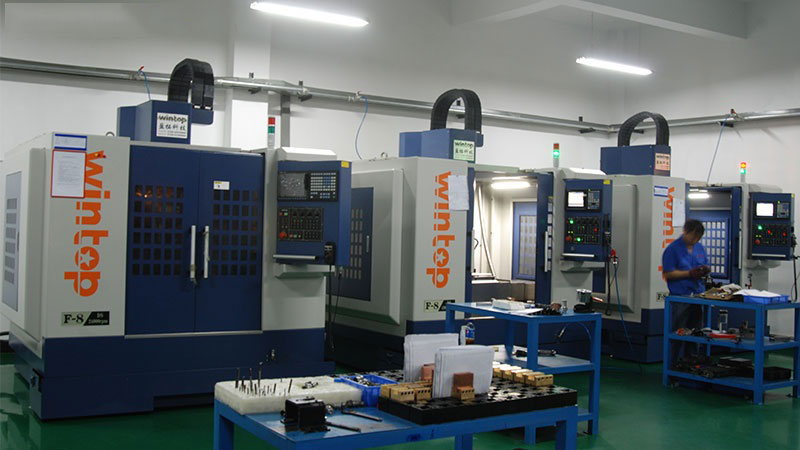
    The first and most critical step is moving beyond basic online directories. A professional approach in 2026 involves layered verification. Start with a deep dive into a potential China mold factory’s digital footprint. Analyze their project portfolio for complexity and industries served that match your needs. Utilize video conferencing for virtual factory tours, insisting on live walks through their CNC, EDM, and molding departments rather than prerecorded marketing videos. Crucially, request and independently contact past international clients. Furthermore, verify business licenses through official Chinese platforms and check for relevant international quality certifications like ISO 9001:2015, which speaks to their management system’s maturity. This multi-point verification creates a factual basis for trust.

    Implementing Proactive and Phased Quality Control

    Quality control cannot be an afterthought or a simple pre-shipment inspection. For professional outcomes, integrate QC throughout the entire mold manufacturing process. Mandate that your chosen injection mold supplier provides detailed Design for Manufacturability (DFM) feedback before any steel is cut. This collaborative step prevents costly redesigns later. Insist on milestone inspections: first article inspection after mold trial, using the actual production material whenever possible. Deploy a trusted third-party quality inspector in China to conduct the Initial Sample Inspection Report (ISIR) and the Pre-Shipment Inspection (PSI). For critical projects, consider having your own engineer present during the first trial. This phased approach identifies issues early, where they are least expensive to rectify.

    Navigating Technical Communication and Intellectual Property

    Clear technical communication is the bedrock of a successful mold. Professional buyers in 2026 must establish unambiguous protocols. Use detailed 2D drawings and 3D CAD models (STEP or IGS files) with fully defined tolerances, surface finishes, and material specifications. Consider adopting a shared online project management portal for tracking revisions and approvals. Regarding Intellectual Property (IP), a pragmatic approach is essential. While NDAs and contracts are mandatory, the most effective IP protection is working with established, reputable injection mold China manufacturers whose business model relies on repeat clients and reputation. Splitting core components across different, vetted suppliers can also mitigate risk. Transparency and a mutually respectful contract are your strongest legal and practical shields.

    Strategic Procurement: Cost Analysis and Partnership Development

    Viewing procurement purely through a unit-cost lens is a common pitfall. A professional evaluation considers Total Cost of Ownership (TCO). This includes the mold price, maintenance costs, lead time’s impact on your project, and the unit part cost it produces. Be prepared to invest in a higher-quality mold from a proficient China mold factory to achieve lower per-part costs and higher reliability in mass production. Approach the relationship as a partnership. Clearly communicate your long-term production volume expectations. This enables the manufacturer to suggest optimal mold designs (e.g., multi-cavity, hot runner systems) that offer better long-term value. Regular, fair communication fosters goodwill, often leading to priority service and better problem-solving when challenges arise.

    Leveraging 2026 Manufacturing Trends for Competitive Advantage

    The leading Chinese mold manufacturers are rapidly integrating Industry 4.0 technologies. As a savvy buyer, you should seek out partners who utilize these advancements. Inquire about their use of simulation software (like Moldflow) for predicting filling and cooling behavior, which minimizes trial-and-error. Factories employing connected machinery and IoT for real-time production monitoring can offer greater transparency and consistency. Furthermore, the adoption of additive manufacturing for conformal cooling channels is becoming a differentiator for complex molds, significantly reducing cycle times and improving part quality. Aligning with a forward-thinking supplier positions your product with a manufacturing edge.

    Conclusion

    Successfully importing injection molds from China in 2026 demands a professional, systematic, and partnership-oriented approach. It begins with rigorous, multi-faceted supplier verification and is sustained through proactive, phased quality control integrated into the manufacturing timeline. Mastering technical communication and adopting a strategic view of cost analysis over mere price comparison are non-negotiable for long-term value. By understanding and leveraging the latest manufacturing trends, overseas buyers can transform the procurement challenge into a significant competitive advantage. The goal is to move beyond a transactional relationship and build a collaborative partnership with your China mold factory, ensuring not just a mold, but a reliable production solution that delivers quality and efficiency for years to come.

    Work With Us

    As a professional China mold manufacturer, we provide one-stop mold solution for overseas buyers.
    📞 Phone: +86-18605944639
    💬 WhatsApp: +8618605944639
    🌐 Website: bestmoldworks.com
    📧 Email: [email protected]
  • plastic injection mold manufacturer in china: Expert T 2026

    For overseas businesses, sourcing a reliable plastic injection mold manufacturer in China remains one of the most strategic decisions to achieve cost efficiency and maintain competitive advantage. However, the landscape is evolving rapidly. By 2026, success in procurement will depend less on simply finding a low-cost provider and more on navigating a sophisticated ecosystem of highly specialized suppliers. This guide provides expert, actionable insights for the modern buyer, moving beyond basic directories to a partnership-focused approach that ensures quality, reliability, and long-term value.

    Mastering Supplier Verification in the Digital Age

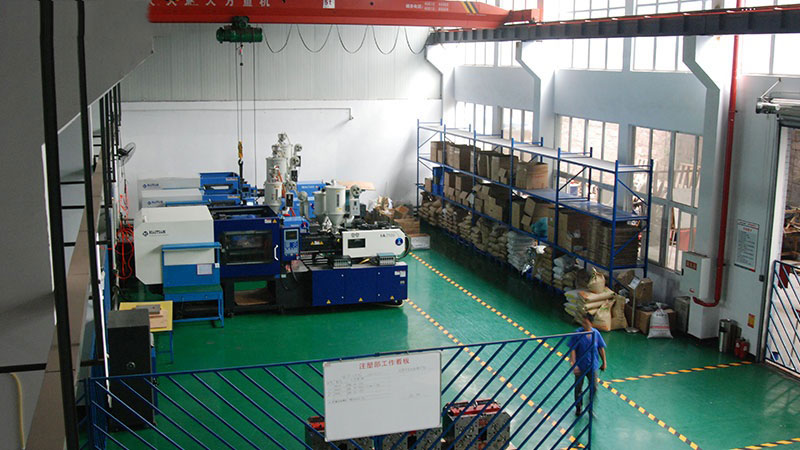
    The initial search for a China mold factory has moved far beyond Alibaba listings. While B2B platforms are a starting point, deep verification is non-negotiable. Begin by scrutinizing technical capabilities. A professional manufacturer should readily provide detailed case studies, preferably with videos of molds in operation and finished parts. Insist on a video conference facility tour; a reputable supplier will conduct a live walk-through of their CNC, EDM, and molding workshops. Crucially, verify business licenses and ask for references from existing overseas clients, specifically in your region or industry. In 2026, transparency is the first filter. Use professional networks and industry forums to gather unfiltered feedback. This proactive verification separates marketing from manufacturing prowess, setting a foundation of trust before any technical discussion begins.

    Strategic Communication and Technical Alignment

    A leading cause of project failure is ambiguous technical communication. To align perfectly with your chosen plastic injection mold manufacturer in China, you must become the source of absolute clarity. Develop a comprehensive Request for Quotation (RFQ) package that includes not just a 3D part file, but a detailed specification document. This should cover material type, expected annual volume, cosmetic requirements (e.g., SPI finish standards), tolerance levels, and part testing criteria. During discussions, insist on a Design for Manufacturability (DFM) report. A competent supplier will provide this analysis, highlighting potential issues in your design that could affect mold cost, longevity, or part quality. This collaborative review stage is where expert suppliers add immense value, optimizing your design for efficient production and preventing costly revisions later.

    Implementing a Robust Quality Control Protocol

    Quality control cannot be an afterthought; it must be engineered into the process from day one. Define and agree upon a staged inspection plan with your supplier. Critical milestones typically include a First Article Inspection (FAI) after the mold is sampled, a Pre-Shipment Inspection (PSI) of the final mold, and ongoing checks during production runs. For high-stakes projects, consider engaging a local third-party quality inspection firm familiar with mold and plastic part standards. They can perform critical Dimension Report checks and material certifications on your behalf. Furthermore, discuss the supplier’s internal quality management systems. Do they use precision measuring equipment (CMM)? Is there a process for mold trial and sample approval? Establishing these protocols upfront ensures the injection mold meets your specifications precisely and performs reliably over hundreds of thousands of cycles.

    Navigating Logistics, IP, and Partnership Development

    The final hurdles before successful importation involve legal and logistical foresight. Intellectual Property (IP) protection is a paramount concern. Work with a legal professional to draft a robust Non-Disclosure Agreement (NDA) and a product-specific confidentiality agreement before sharing any designs. While China has strengthened IP laws, contractual clarity is your first line of defense. Regarding logistics, understand Incoterms thoroughly. For mold procurement, FOB (Free On Board) is common, where you control the shipping and insurance once the mold leaves the Chinese port. Partner with a freight forwarder experienced in handling heavy, high-value industrial equipment to manage sea freight, customs clearance, and final delivery. View these steps not as obstacles, but as integral parts of building a lasting partnership. A trustworthy supplier will be transparent and supportive through this phase, facilitating a smooth transfer of the tool to your production facility.

    Conclusion

    Importing molds from China in 2026 demands a blend of diligent verification, technical collaboration, and strategic partnership management. The goal is to transition from a transactional buyer to a valued partner for a capable China mold factory. By implementing rigorous supplier checks, fostering clear technical communication, enforcing staged quality controls, and meticulously managing logistics and IP, you significantly de-risk the procurement process. This professional approach unlocks the true potential of sourcing from China: access to world-class manufacturing expertise, cost-effective production, and a supply chain partner that can scale with your business for years to come. The expert tips outlined here provide a concrete framework to navigate this complex but rewarding journey successfully.

    Work With Us

    As a professional China mold manufacturer, we provide one-stop mold solution for overseas buyers.
    📞 Phone: +86-18605944639
    💬 WhatsApp: +8618605944639
    🌐 Website: bestmoldworks.com
    📧 Email: [email protected]
  • injection molding china factory: Expert Tips & Soluti 2026

    For global businesses, partnering with an injection molding China factory offers a compelling advantage in terms of cost-efficiency, advanced manufacturing capabilities, and scalability. However, the journey from initial inquiry to receiving flawless, production-ready parts is fraught with potential pitfalls for the uninitiated. Navigating cultural nuances, technical communication gaps, and supply chain complexity requires a strategic approach. This guide provides actionable, expert-level tips and solutions tailored for overseas procurement professionals looking to successfully import high-quality injection molds from China in 2026 and beyond.

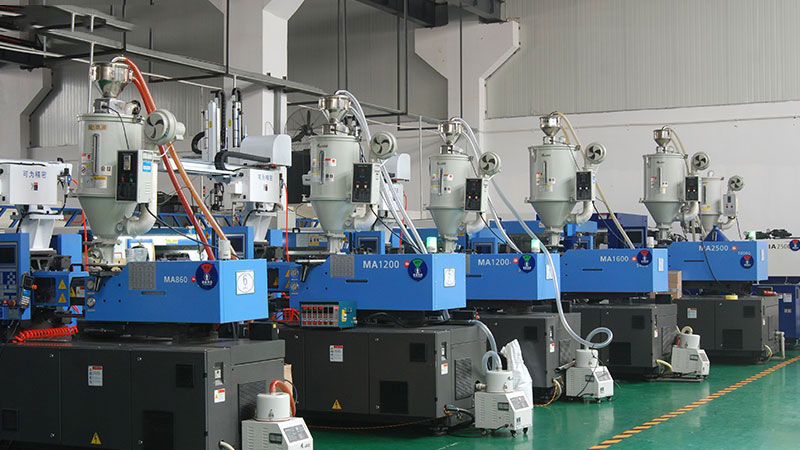
    The cornerstone of a successful import project lies in meticulous supplier verification. Moving beyond a simple Alibaba search is non-negotiable. Begin by scrutinizing the China mold factory’s business licenses and export history. Request detailed case studies or portfolios that specifically match your industry’s complexity, whether it’s automotive, medical, or consumer electronics. In 2026, leveraging video conferencing for virtual factory tours is a standard expectation; a reputable supplier will readily provide live walkthroughs of their CNC machining centers, EDM equipment, and quality control labs. Furthermore, insist on speaking directly with their project engineering team. This conversation will reveal their technical proficiency and ability to engage in DFM (Design for Manufacturing) discussions, a critical step often overlooked in the rush to get a quote. Verifying their membership in industry associations can also add a layer of credibility to your evaluation process.

    Once a potential partner is identified, mastering the technical and commercial quotation process is your next hurdle. A professional injection molding China factory will never provide a meaningful price based solely on a 3D file. They require a comprehensive RFQ (Request for Quotation) package. This should include not only the part design (STEP or IGES format) but also material specifications, expected annual volumes, tolerance requirements, surface finish expectations, and a target mold lifespan. Be wary of quotes that seem abnormally low; they often signal the use of substandard steel, lack of necessary cooling, or simplified machining processes that will lead to premature mold failure and costly production downtime. The solution is to request a detailed breakdown of the mold cost, including mold base standard, steel grade (e.g., P20, H13, S136), number of cavities, and anticipated cycle time. This transparency allows for an apples-to-apples comparison and fosters a partnership based on value, not just initial price.

    Proactive quality control, integrated from the very first step, is the single most effective strategy to mitigate risk. Do not relegate QC to a final pre-shipment inspection. Implement a staged inspection protocol (IPI, DPI, FAI) managed by your own qualified personnel or a trusted third-party inspection service based in China. The first critical milestone is the T1 sample from the injection mold. This stage is not just about checking the part against dimensions; it is a holistic evaluation of the mold itself. Assess the mold for proper venting, gate design, ejection smoothness, and cooling line configuration. Document all findings with clear photos and videos. Use this phase to agree on a Cpk (Process Capability Index) requirement for critical dimensions for future production runs. Establishing these rigorous QC benchmarks upfront with your China mold factory aligns expectations and demonstrates your commitment to excellence, ensuring the mold is built for consistent, long-term performance rather than just a one-off sample.

    The final, often underestimated phase is navigating logistics, intellectual property (IP) protection, and post-sales support. Ensure your contract explicitly covers IP ownership of the mold and part design. A trustworthy supplier will respect a well-drafted NNN (Non-Use, Non-Disclosure, Non-Circumvention) agreement tailored to Chinese jurisdiction. For logistics, decide on Incoterms clearly—FOB Shanghai gives you control over shipping and insurance, while EXW places the entire logistical burden on you. Plan for mold transportation: a robust, custom-made plywood crate is essential to protect your high-precision asset during transit. Finally, clarify post-sales support terms. What is the warranty period for the mold against manufacturing defects? How will design changes or mold repairs be handled? Having these solutions documented avoids disputes and ensures a long-term, reliable supply of injection molded parts.

    Successfully importing from an injection molding China factory in 2026 demands a shift from a transactional purchasing mindset to a strategic partnership approach. The solutions outlined—rigorous supplier verification, detailed technical procurement, embedded quality control, and clear contractual frameworks—are designed to solve the real problems faced by overseas buyers. By investing time in due diligence and open communication, you can unlock the immense value offered by Chinese manufacturing. The goal is to transform the perceived complexity of overseas procurement into your competitive advantage, securing a supply chain partner that delivers not only cost savings but also consistent quality, innovation, and reliability for years to come.

    Work With Us

    As a professional China mold manufacturer, we provide one-stop mold solution for overseas buyers.
    📞 Phone: +86-18605944639
    💬 WhatsApp: +8618605944639
    🌐 Website: bestmoldworks.com
    📧 Email: [email protected]
  • custom injection mold: Professional Buying Guide 2026

    Navigating the procurement of a custom injection mold from China represents a significant strategic decision for overseas buyers. It offers unparalleled advantages in cost-efficiency and manufacturing scalability, yet the path is fraught with complexities that can impact your project’s timeline, budget, and final product quality. As we move into 2026, the landscape is more competitive and sophisticated than ever. This professional guide cuts through the noise to provide you with actionable, real-world strategies. It is designed not to sell you a service, but to empower you with the knowledge to execute a flawless procurement process, from initial supplier verification to final quality assurance, ensuring your investment in a custom injection mold delivers maximum value.

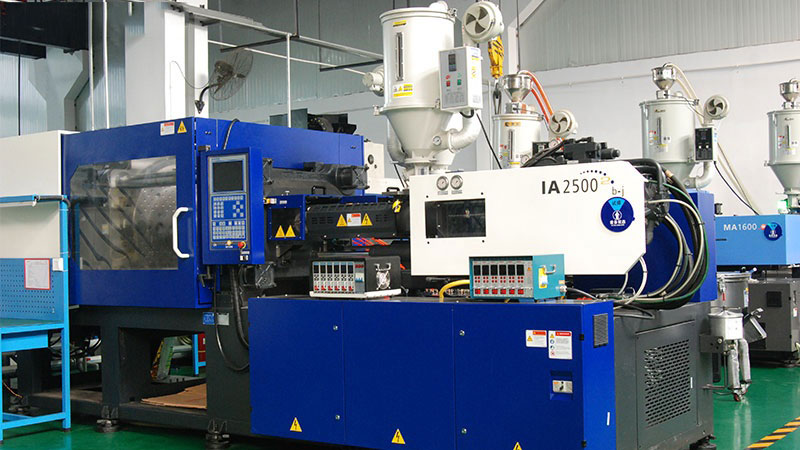
    The cornerstone of a successful import project is the meticulous selection and verification of your China mold factory. Moving beyond simple Alibaba listings is crucial in 2026. Begin with a deep-dive technical assessment. A competent supplier should engage proactively on your part design, offering Design for Manufacturability (DFM) analysis before any quote is finalized. This demonstrates technical competency and a partnership mindset. Verification must be multi-layered. Insist on a virtual video tour of their facility; observe their machinery (e.g., CNC, EDM), mold trial areas, and quality control labs. Demand and contact references for similar projects, specifically asking about communication cadence, problem-solving during development, and post-sales support. Third-party verification platforms and industry-specific B2B directories can provide additional validation. Remember, the goal is to vet them as a strategic partner, not just a vendor.

    Once a potential partner is identified, mastering the quotation and development phase is critical. A professional quote for an injection mold should be transparent and itemized, detailing mold base steel grade, cavity and core material (e.g., P20, H13, stainless steel), surface finish, expected cycle life, and all ancillary costs like T1 sample shipping and mold modification allowances. Clearly define all specifications in a Purchase Order or technical agreement: part material, critical dimensions and tolerances (GD&T), cavity pressure requirements, and gate type/location. Establish a milestone-based payment schedule (e.g., 30% deposit, 40% on T1 sample approval, 30% before shipment) to align incentives. This phase sets the contractual and technical foundation; ambiguity here is the primary source of disputes later.

    Proactive and structured quality control is non-negotiable and must be integrated throughout the mold manufacturing process, not just as a final inspection. For your custom injection mold, insist on documented First Article Inspection (FAI) reports and Critical Dimension checks at key stages: after machining, after heat treatment, and upon assembly. The most critical point is the initial mold trial (T1). You or a trusted third-party inspector must be present either physically or via live-streamed trial. The trial report should include data on process parameters, part measurements (Cpk reports for critical dimensions), and high-resolution images of sample parts. Analyze not just the parts, but also the mold performance—ejection, cooling efficiency, and any flash. This hands-on QC approach identifies issues while the mold is still at the factory, where corrections are most cost-effective.

    The logistics and post-delivery relationship are where long-term value is secured. Understand Incoterms 2026 thoroughly; FOB is common, but you must clarify responsibilities for inland freight, port fees, and documentation. Ensure the China mold factory provides a complete mold data pack: 3D files of the final mold, detailed drawings, maintenance manuals, and a list of spare components. Discuss and agree upon warranty terms upfront—typically 12-24 months against material and workmanship defects, covering repair or rework costs. Establish clear protocols for future needs: production of spare components, mold refurbishment for extended life, and scaling to multi-cavity molds. A reliable supplier views the delivery of the physical mold as the beginning of a lifecycle management partnership.

    In conclusion, importing a custom injection mold from China in 2026 demands a blend of rigorous due diligence, technical clarity, and proactive partnership management. The process extends far beyond comparing price points; it is about systematically de-risking your procurement through structured supplier verification, unambiguous technical agreements, embedded quality control processes, and strategic planning for the mold’s entire lifecycle. By adopting this professional framework, you transform a complex international transaction into a predictable and value-driven endeavor. Your goal is to secure not merely a tool, but a manufacturing asset that delivers consistent, high-quality parts, ensuring your product’s success in the global market for years to come.

    Work With Us

    As a professional China mold manufacturer, we provide one-stop mold solution for overseas buyers.
    📞 Phone: +86-18605944639
    💬 WhatsApp: +8618605944639
    🌐 Website: bestmoldworks.com
    📧 Email: [email protected]
  • custom plastic mold maker: Expert Tips & Solutions 2026

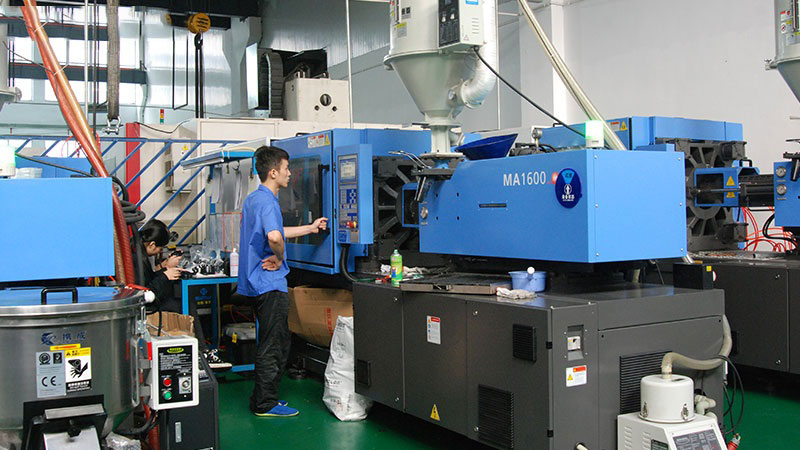
    For overseas businesses, partnering with a skilled custom plastic mold maker in China remains a powerful strategy to achieve cost efficiency, scalability, and technical capability. However, navigating this complex procurement landscape presents distinct challenges, from supplier verification to consistent quality control. As we look toward 2026, the dynamics of global manufacturing continue to evolve, demanding more sophisticated approaches from international buyers. This guide provides expert tips and forward-looking solutions to help you secure a reliable partnership with a China mold factory, ensuring your injection mold project is a success from the first drawing to final production.

    Mastering Supplier Verification and Qualification

    The foundation of a successful import project is a thoroughly vetted supplier. Moving beyond simple Alibaba listings is crucial for 2026. Start with a multi-layered verification process. First, conduct a deep-dive into the manufacturer’s business licenses and export history, requesting verifiable client references from your region. Second, utilize video conferencing to conduct virtual factory tours; a reputable China mold factory will readily showcase their workshop, machinery like CNC, EDM, and injection molding presses, and ongoing projects. Pay close attention to their engineering team’s presence and expertise. Third, for critical projects, consider hiring a local third-party inspection agency to perform an initial audit. This due diligence filters out trading companies masquerading as manufacturers and identifies partners with genuine capability in injection mold making and design.

    Strategic Communication and Technical Alignment

    Miscommunication is a primary cause of cost overruns and delays. To solve this, professional and clear technical dialogue is non-negotiable. Always begin with a comprehensive and validated set of part drawings, 3D models (STEP or IGS files), and a detailed specification document. This document should cover material grade, expected annual volumes, cosmetic requirements (texture, polish), tolerances, and part function. Schedule dedicated meetings with both sales and project engineers to discuss your requirements. A proficient custom plastic mold maker will ask insightful questions about gate locations, ejection, cooling, and potential design for manufacturability (DFM) improvements. Establishing a single point of contact on their side who is fluent in English and technically competent will streamline all communications and prevent costly misunderstandings.

    Implementing Proactive Quality Control Protocols

    Waiting until the mold is finished to inspect is a high-risk strategy. The solution for 2026 is integrated, phased quality control. Insist on key milestone inspections throughout the mold manufacturing process. These typically include a design review after DFM report, a steel inspection before machining begins, a first article inspection after the T1 sample is produced, and a final pre-shipment audit. For each stage, define clear checkpoints and approval criteria. Many overseas buyers now use mold flow analysis reports as a standard requirement to predict and prevent filling issues, warpage, and sink marks before steel is cut. During sampling, coordinate the production of pre-production samples using production-intent materials. This proactive approach, rather than reactive problem-solving, ensures the final injection mold meets all specifications and performs reliably in your production environment.

    Navigating Logistics, IP, and Total Cost Management

    The procurement process extends beyond the factory floor. Protecting your intellectual property is paramount. Ensure your contract includes a robust confidentiality agreement (NDA) and clearly defines IP ownership of the mold design and part. Regarding mold ownership and logistics, decide in advance whether the mold will remain at the supplier’s facility for production or be shipped to you or a third-party injection molder. This decision impacts shipping costs, import duties, and future maintenance. Understand the total cost structure: a low initial mold price from a custom plastic mold maker can be offset by higher per-part pricing, poor longevity requiring frequent repairs, or hidden charges for documentation and sample iterations. Always analyze the total cost of ownership over the projected lifecycle of the mold and the production volume.

    Building a Partnership for Long-Term Success

    View your supplier not as a transactional vendor but as a strategic manufacturing partner. This mindset shift yields significant long-term benefits. A reliable China mold factory invested in a partnership will provide better support for engineering changes, maintenance, and future projects. Foster this relationship through clear contracts, respectful communication, and fair business practices. Consider starting with a smaller, less critical project to evaluate performance before committing to larger, more complex tooling. As we advance into 2026, the most successful importers are those who have cultivated transparent, collaborative relationships with their manufacturers, enabling them to adapt quickly to market changes and new product development cycles.

    Conclusion

    Importing injection molds from China in 2026 requires a blend of diligent verification, technical clarity, and strategic partnership management. By implementing these expert tips—from rigorous supplier verification and phased quality control to clear IP agreements and total cost analysis—overseas buyers can significantly mitigate risks and unlock the immense value the Chinese manufacturing sector offers. The goal is to transform the complexity of international procurement into a competitive advantage, securing a high-quality injection mold that delivers consistent performance and supports your product’s success in the global marketplace for years to come.

    Work With Us

    As a professional China mold manufacturer, we provide one-stop mold solution for overseas buyers.
    📞 Phone: +86-18605944639
    💬 WhatsApp: +8618605944639
    🌐 Website: bestmoldworks.com
    📧 Email: [email protected]
  • custom plastic molding companies: Best Suppliers & Qua 2026

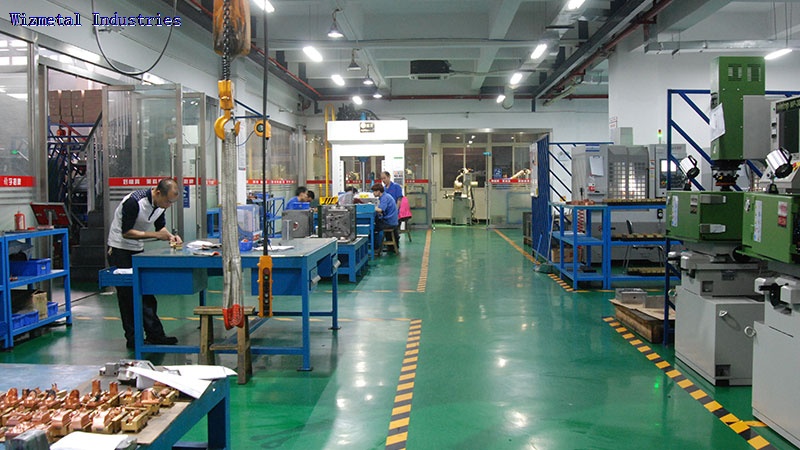
    For overseas buyers, sourcing from custom plastic molding companies in China remains a powerful strategy for achieving cost efficiency, scalability, and technical capability. However, the landscape is evolving rapidly. As we look toward 2026, success is no longer just about finding the lowest price; it is about strategic partnership, advanced quality integration, and navigating a more sophisticated supply chain. This guide provides actionable, forward-looking insights to help you identify and collaborate with the best Chinese mold factories for your injection mold and production needs.

    The foundation of a successful import project is rigorous supplier verification. Moving beyond simple online directories is crucial. In 2026, due diligence means a multi-layered approach. Start with a deep analysis of the supplier’s digital footprint, including detailed project portfolios and client testimonials specific to your industry. However, the critical step is a virtual or in-person audit. Request live video tours of their facility focusing on their engineering department, mold maintenance area, and injection molding shop floor. Verify their machinery list; modern, well-maintained equipment from brands like Haitian, Engel, or Fanuc is a strong indicator of capability and commitment to consistency. Furthermore, insist on speaking directly with the project manager and quality lead assigned to your account to assess communication fluency and technical understanding from the outset.

    Once a potential partner is shortlisted, mastering the prototyping and sampling phase is your primary risk mitigation tool. View this stage not as a mere formality but as a comprehensive validation process. Reputable custom plastic molding companies expect and are prepared for this scrutiny. For your first order, invest in a full mold sample run, not just a few pieces. Conduct a First Article Inspection (FAI) using your own detailed checklist, measuring all critical dimensions against the CAD model. Test the parts under real-world conditions—apply stress, check assembly fits, and evaluate cosmetic finishes. This phase is also the time to finalize all quality control protocols and documentation requirements, ensuring there are no ambiguities before mass production commences. A supplier confident in their process will be transparent and cooperative during this stage.

    Proactive and embedded quality control is the non-negotiable differentiator for 2026. The best China mold factory partners now offer integrated quality management systems that you can monitor. Demand a clear Quality Control Plan that outlines inspection points at each stage: raw material checks, mold trial reports, in-process inspections during production, and a final pre-shipment inspection. Specify the use of advanced metrology equipment like CMMs and 3D scanners for critical components. For ongoing assurance, consider partnering with a reputable third-party inspection service based in China for impartial audits. This layered QC approach shifts your role from reactive problem-solver to proactive overseer, protecting your brand and reducing the likelihood of costly rejections upon arrival.

    Clear contractual and logistical foresight completes the strategic framework. Your procurement agreement must be explicit, covering far more than just price and quantity. It should detail technical specifications, approved materials with batch traceability, quality acceptance criteria (AQL levels), intellectual property ownership, payment terms linked to project milestones, and liability for tooling. On the logistics front, plan for 2026’s realities. Discuss incoterms thoroughly—FOB is common, but understand all responsibilities. Factor in potential supply chain volatility by building buffer time into your schedule and discussing the supplier’s contingency plans for material shortages. Establish a clear protocol for packaging that ensures mold and part protection during ocean freight, and verify the supplier’s experience in preparing complete and accurate shipping documentation.

    In conclusion, importing molds and plastic parts from China in 2026 demands a sophisticated, partnership-oriented approach. The goal is to transition from being an overseas buyer to a valued client of a capable China mold factory. By implementing rigorous supplier verification, leveraging the sampling phase for validation, insisting on transparent and embedded quality control, and solidifying agreements with detailed contracts, you build a resilient supply chain. The leading custom plastic molding companies are those that welcome this collaborative, quality-focused engagement. By following this strategic guide, you position your project not just for success in the upcoming year, but for a durable and profitable manufacturing partnership that will deliver precision injection mold solutions and high-quality components for years to come.

    Work With Us

    As a professional China mold manufacturer, we provide one-stop mold solution for overseas buyers.
    📞 Phone: +86-18605944639
    💬 WhatsApp: +8618605944639
    🌐 Website: bestmoldworks.com
    📧 Email: [email protected]
  • injection molding: Ultimate Guide for Buyers 2026 | China Mold Factory

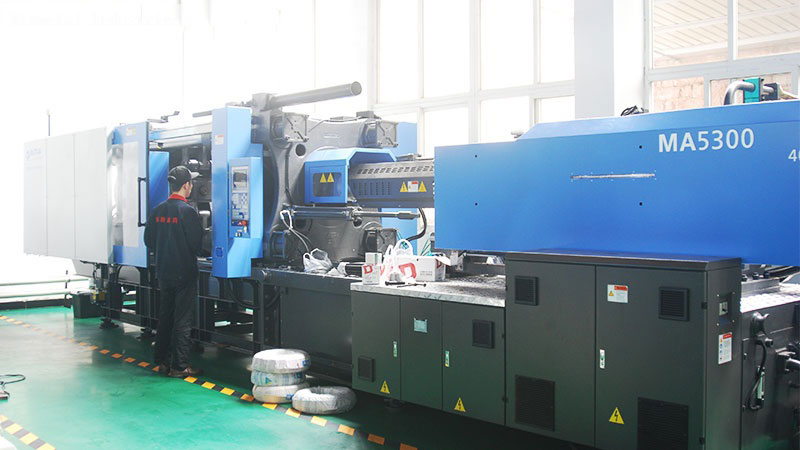
    For overseas buyers, sourcing injection molds from China represents a significant strategic advantage, offering unparalleled cost efficiency and manufacturing scalability. However, navigating this complex landscape requires more than just finding the lowest quote. The true challenge lies in securing a high-quality injection mold that delivers consistent performance, minimizes production downtime, and ensures your final product meets exact specifications. This guide is designed to cut through the noise, providing a professional, actionable framework for your procurement journey in 2026 and beyond. We will focus on practical steps to mitigate risk, verify capabilities, and build a successful partnership with a competent China mold factory.

    The foundation of a successful import project is rigorous supplier verification. Not all mold manufacturers are created equal, and the initial screening process is critical. Begin by moving beyond Alibaba listings. Utilize industry-specific B2B platforms like Global Sources or Made-in-China, which often feature more established factories. The most crucial step is to conduct a virtual or, ideally, an in-person audit. Request a detailed company profile, ask for a video tour of their facility, and scrutinize their machinery—look for modern CNC, EDM, and high-speed milling equipment. Insist on speaking directly with their project engineering team, not just a sales representative. Verify their export experience by asking for references from clients in your region and check for relevant industry certifications, such as IATF 16949 for automotive or ISO 13485 for medical devices. This due diligence transforms an anonymous supplier into a vetted potential partner.

    Once a shortlist of potential partners is established, the focus must shift to precision in technical communication and design for manufacturability (DFM). This phase is where most costly errors are either prevented or cemented. Always start with a comprehensive Request for Quotation (RFQ) package. This should include not just 3D CAD files (STEP or IGS) and 2D drawings with critical dimensions and tolerances clearly marked, but also details on the intended resin material, expected annual volumes, cycle time targets, and cosmetic requirements. A reputable China mold factory will respond with a detailed DFM report. This report is a key indicator of their expertise; it should highlight potential issues like undercuts, wall thickness inconsistencies, gate locations, and ejection plans. Engage in a collaborative review of this DFM. Clarify every doubt and ensure both parties have a unified understanding of the mold specifications, steel grade (e.g., P20, H13, S136), cavity finish (SPI/VDI standards), and cooling line design before any steel is cut.

    The procurement process does not end with the order placement; proactive quality control is non-negotiable. Implement a staged inspection protocol tied to milestone payments. The first critical stage is the First Article Inspection (FAI) after the mold trial. Do not accept simple photos or a few sample parts. Require a full dimensional inspection report (CMM data) of trial shots, along with video of the mold running in the press, showing cycle time and ejection. Many buyers engage a third-party inspection company in China for an impartial Pre-Shipment Inspection (PSI) to verify the mold’s workmanship, completeness of components, and final testing. Furthermore, discuss and agree upon a clear protocol for mold maintenance and warranty. A professional supplier will offer a standard warranty period (e.g., 1-2 years or a specified number of cycles) covering workmanship and material defects. Understand their policy on repair or replacement and the process for handling issues that arise after the mold is shipped to your production facility.

    Building a sustainable partnership requires managing logistics, intellectual property, and long-term collaboration. For logistics, decide early on shipping terms (FOB, EXW, CIF) and ensure the mold is properly crated for ocean freight. Insurance is essential. Regarding Intellectual Property (IP), a robust NNN Agreement (Non-Use, Non-Disclosure, Non-Circumvention) tailored under Chinese law is far more effective than a standard Western NDA. Have it signed before disclosing detailed designs. Finally, view your chosen injection mold supplier as a strategic extension of your manufacturing. A successful initial project can lead to optimized designs for future parts, cost reductions on subsequent molds, and reliable support for maintenance and spare parts. Consistent communication and treating the relationship as a partnership, rather than a transactional vendor relationship, yield the highest long-term value and supply chain stability.

    In conclusion, importing injection molds from China in 2026 demands a disciplined, informed approach centered on verification, communication, and control. By meticulously vetting your China mold factory, collaborating deeply on the DFM process, enforcing stringent quality control checkpoints, and formalizing the partnership with clear agreements, you transform the inherent risks into a formidable competitive edge. The goal is not merely to purchase a tool, but to secure a cornerstone of your product’s manufacturing success. Embrace this process as a strategic investment, and your partnership with a skilled Chinese manufacturer will deliver exceptional quality, reliability, and value for years to come.

    Work With Us

    As a professional China mold manufacturer, we provide one-stop mold solution for overseas buyers.
    📞 Phone: +86-18605944639
    💬 WhatsApp: +8618605944639
    🌐 Website: bestmoldworks.com
    📧 Email: [email protected]

  • custom silicone mold manufacturer near me: Complete Pr 2026

    For overseas buyers and product developers, the search for a reliable “custom silicone mold manufacturer near me” often leads to a pivotal realization: the most viable, cost-effective, and specialized partners are frequently located not locally, but in China. The global manufacturing hub offers unparalleled expertise in mold making, particularly for silicone, which is essential for producing everything from culinary tools and medical components to consumer electronics and promotional items. However, navigating this overseas procurement landscape presents distinct challenges. This guide is designed to cut through the complexity, offering a structured, actionable 2026 roadmap for successfully importing high-quality custom silicone molds from China, transforming a distant supplier into your trusted extension.

    The initial phase of your procurement journey must move beyond simple online searches. While typing “custom silicone mold manufacturer near me” into a search engine is a natural starting point, its true value for an international buyer lies in refining that intent toward Chinese industrial platforms. Redirect your focus to authoritative B2B portals like Alibaba.com, Made-in-China.com, and Global Sources. Here, use specific keywords such as “China mold factory silicone,” “custom silicone mold,” and “silicone injection mold” to generate a targeted list of potential suppliers. Crucially, this step is about aggregation, not selection. Your goal is to create a broad longlist of companies that state capabilities in silicone mold manufacturing, which you will then systematically vet.

    Supplier verification is the non-negotiable cornerstone of successful importation. A professional website and polished product images are merely the entry ticket. In 2026, due diligence requires a multi-layered approach. First, insist on a video conference to tour the factory floor virtually. A reputable China mold factory will readily showcase its CNC machines, liquid silicone rubber (LSR) injection molding machines, and quality control lab. Second, demand client references, specifically from overseas clients in your region or industry. Contact these references to inquire about communication reliability, problem-solving, and post-sales support. Third, verify business licenses and export credentials. Finally, consider commissioning a third-party inspection service for an initial audit if your order volume justifies the investment. This rigorous verification process separates marketing from manufacturing capability.

    Defining specifications and managing quality control with precision is where technical collaboration begins. Silicone mold manufacturing is highly technical; ambiguity leads to cost overruns and unusable products. Provide your potential partner with exhaustive documentation: detailed 3D drawings (STEP or IGS files), material specifications (FDA, medical-grade, hardness in Shore A, color requirements), expected production volume, and tolerance levels. A proficient supplier will engage engineering-to-engineering (E2E) dialogue, potentially suggesting design for manufacturability (DFM) adjustments to optimize your mold for longevity and production efficiency. Before full production, insist on the creation of a T1 sample mold and subsequent product samples for evaluation. Your quality control protocol should mandate pre-shipment inspections that check for flash, dimensional accuracy, consistency in texture, and correct material certification. Clear, documented standards agreed upon upfront prevent disputes later.

    Navigating the logistics, communication, and cost structure requires a strategic mindset. Understand that “FOB Shanghai” means your responsibility and costs begin once the mold is loaded on the ship. Secure a reliable freight forwarder experienced in handling industrial molds, which may require crating for protection. Cultivate clear, documented communication; use tools like shared spreadsheets and marked-up PDFs for feedback. Regarding cost, the lowest quotation is often the highest risk. Seek transparent, breakdown quotes that itemize mold tooling costs (a one-time fee) versus per-unit part costs. Discuss payment terms strategically; a secure escrow service or a phased payment plan (e.g., 30% deposit, 40% after sample approval, 30% before shipment) aligns interests and mitigates risk for both parties.

    Building a sustainable partnership for the long term is the ultimate goal of this procurement exercise. View your chosen custom silicone mold manufacturer not as a one-time vendor but as a strategic asset. Consistent orders foster reliability and priority treatment. Provide constructive feedback and be reasonable with requests. As trust builds, you can explore expanding the relationship into other materials or more complex multi-cavity injection mold projects. A true partner will proactively inform you of material price shifts, suggest efficiency improvements, and stand behind their work with clear warranty terms on the mold tooling itself. This transition from a transactional importer to a valued international client is the hallmark of a mastered procurement process.

    In conclusion, the quest for a “custom silicone mold manufacturer near me” is, for the savvy overseas buyer, effectively a quest to expertly bridge the geographical and cultural gap to China’s specialized manufacturing sector. By methodically leveraging global B2B platforms, implementing rigorous supplier verification, mastering specification and quality control protocols, and strategically managing logistics and cost, you can secure a competitive advantage that a local supplier rarely matches. The complete procurement journey outlined here for 2026 is designed to transform the perceived complexity of importing molds into a structured, manageable, and highly rewarding business strategy, culminating in a reliable supply chain partnership that fuels your product innovation and market success for years to come.

    Work With Us

    As a professional China mold manufacturer, we provide one-stop mold solution for overseas buyers.
    📞 Phone: +86-18605944639
    💬 WhatsApp: +8618605944639
    🌐 Website: bestmoldworks.com
    📧 Email: [email protected]

  • custom injection molding machine: Complete Procurement 2026

    For overseas buyers, procuring a custom injection molding machine from China represents a significant strategic investment to enhance manufacturing capability, reduce per-part costs, and gain production autonomy. However, the journey from specification to successful installation is fraught with complexities that extend far beyond a simple purchase order. As we look toward 2026, the landscape is defined by advanced automation, data integration, and a sharper focus on total cost of ownership. This guide is designed to navigate that landscape, providing a professional, actionable framework for overseas procurement. We will move past generic advice to solve the real problems you face in supplier verification, technical alignment, and quality assurance, ensuring your investment in a custom injection molding machine delivers long-term value.

    The cornerstone of a successful procurement is selecting the right China mold factory as your partner. This step is critical, as the machine supplier often becomes integrally linked to your mold suppliers and overall process stability. Begin with a multi-faceted verification process. Official business licenses and export records are basic prerequisites. In 2026, due diligence must delve deeper. Request detailed case studies of machines running molds similar to your intended applications—particularly focusing on material types, shot weights, and precision requirements. Utilize video conferencing to conduct virtual factory tours, paying close attention to their assembly area, testing procedures, and cleanliness. Crucially, verify their control system expertise. Are they proficient with the interfaces you require, such as EUROMAP or OPC UA for future smart factory integration? A reliable partner for your custom injection molding machine will transparently share this information and demonstrate a history of successful projects for international clients.

    Technical specification is the stage where ambiguity creates costly future problems. Your procurement document must be an exhaustive blueprint. Beyond standard parameters like clamp force, shot volume, and screw diameter, define the required repeatability, energy efficiency standards, and compatibility with your auxiliary equipment. Specify the exact make and model of the control system, and insist on standardized programming interfaces to avoid proprietary lock-in. Discuss platen design, tie-bar spacing, and ejection patterns to ensure compatibility with your existing and future injection mold bases. A key problem solved here is the “application gap.” Clearly communicate the specific polymers you will process, including any abrasive, corrosive, or high-temperature materials, as this dictates screw and barrel material specifications. Require a detailed factory acceptance test protocol that you or a third-party inspector can witness, simulating actual production cycles to verify performance metrics before shipment.

    No machine operates in isolation; its performance is inextricably linked to the injection mold it services. Therefore, your procurement strategy must foster collaboration between your machine supplier and your chosen mold manufacturer. A proficient China mold factory will understand the dynamic interaction between mold design and machine kinematics. Facilitate early communication between both parties to discuss critical factors such as injection profiles, cooling channel layouts, and ejection sequences. This collaboration prevents scenarios where a perfectly good mold underperforms due to machine incompatibility or where machine capabilities are underutilized by a suboptimal mold design. In your procurement terms, consider mandating a joint review session. This proactive approach solves the common problem of deferred blame between mold and machine suppliers, ensuring a systems-based solution where both components are optimized for your specific production goals.

    Implementing rigorous quality control throughout the manufacturing and commissioning process is non-negotiable. Your involvement should not begin at delivery. Establish milestone inspections at the machine builder’s facility. The first inspection should verify the quality of major components like the frame, injection unit, and hydraulic system upon assembly. A second, more critical inspection is the pre-shipment Factory Acceptance Test. This is where you verify all functional specifications: cycle times, energy consumption, safety interlocks, and control system responsiveness. Engage a reputable local third-party inspection agency familiar with heavy industrial equipment to act as your eyes and ears. Upon arrival, a detailed commissioning protocol led by qualified engineers—either from the supplier or your team—is essential. This final verification ensures the machine is installed correctly, calibrated for your utilities, and ready for production validation with your actual molds and material.

    The final, often overlooked, component of your 2026 procurement plan is securing comprehensive after-sales support and training. The real cost of a machine includes its uptime over a decade. Negotiate a clear service level agreement detailing response times for technical support, availability of spare parts, and terms for on-site service visits. Verify that the supplier has certified engineers in your region or a proven track record of timely international dispatch. Equally important is operational training. Ensure the supplier provides thorough, hands-on training in both the operation and basic maintenance of the equipment for your technicians. This empowers your team to perform routine upkeep and troubleshoot minor issues, dramatically reducing downtime. In the era of Industry 4.0, also inquire about remote diagnostics capabilities, which allow suppliers to securely connect to your machine to identify and often resolve issues before they halt production.

    Procuring a custom injection molding machine from China in 2026 is a strategic endeavor that demands a holistic, detail-oriented approach. It transcends a simple equipment purchase, evolving into the establishment of a long-term technical partnership. By executing thorough supplier verification, crafting unambiguous technical specifications, fostering mold-machine synergy, enforcing staged quality control, and securing robust after-sales support, you transform procurement risk into a competitive manufacturing advantage. This complete procurement strategy ensures your investment is not merely a capital expense but a foundational pillar for reliable, efficient, and adaptable production capacity for years to come. The goal is clear: to acquire not just a machine, but a seamlessly integrated, high-performance manufacturing asset.

    Work With Us

    As a professional China mold manufacturer, we provide one-stop mold solution for overseas buyers.
    📞 Phone: +86-18605944639
    💬 WhatsApp: +8618605944639
    🌐 Website: bestmoldworks.com
    📧 Email: [email protected]

  • custom injection molders canada: Best Suppliers & Qua 2026

    For Canadian businesses, from ambitious startups to established OEMs, sourcing custom injection molds is a pivotal strategic decision. While local custom injection molders in Canada offer proximity and ease of communication, a significant portion of the global tooling market is anchored in China, presenting compelling opportunities for cost efficiency and scalable production. However, navigating the overseas procurement landscape requires a methodical approach to transform potential savings into tangible, high-quality results. This guide is designed for the discerning Canadian buyer, providing actionable strategies to identify, vet, and partner with the best Chinese mold factories in 2026, ensuring your injection mold project meets stringent quality and timeline expectations.

    The foundation of successful import begins with precise supplier identification and rigorous verification. A simple online search yields thousands of China mold factory options, making discernment critical. Move beyond generic B2B platforms by seeking manufacturers with demonstrable expertise in your specific industry, whether automotive components, medical devices, consumer electronics, or packaging. A credible supplier will have a detailed portfolio showcasing previous mold designs and final parts. The verification process must be multi-layered. Initiate video calls to tour their facility virtually, paying close attention to their machinery, such as CNC, EDM, and mold testing presses. Request and contact at least three past international clients, specifically those in North America, to inquire about their experience with communication, problem-solving, and post-sales support. This due diligence phase is non-negotiable and separates reputable partners from mere trading companies.

    Once a potential partner is shortlisted, mastering the technical and commercial communication phase becomes paramount. The goal is to achieve absolute clarity to prevent costly misunderstandings. Your Request for Quotation (RFQ) must be exceptionally detailed. Beyond part drawings, include material specifications (brand and grade of plastic intended for production), expected annual volumes, cosmetic requirements (e.g., SPI finish standards), and critical tolerances. Clearly state your expectations for mold design review stages, sample approval process, and delivery terms like FOB. During negotiations, focus on total cost of ownership, not just the initial mold price. Discuss maintenance, warranty terms for workmanship and lifespan, and the cost and timeline for future mold modifications. Proactive and detailed communication at this stage sets a professional tone and ensures the Chinese manufacturer fully understands the standards required by the North American market.

    For Canadian importers, implementing a robust quality control framework is the single most important factor in securing a successful outcome. Do not assume quality; inspect and verify at multiple checkpoints. The industry standard is a three-stage inspection protocol. First, conduct a Design for Manufacturability (DFM) review to catch potential issues before steel is cut. Second, schedule a Tooling Trial Inspection when the first samples are produced from the mold. This is often done via live video stream where you can witness the trial, approve samples, and request adjustments. Third, a Pre-Shipment Inspection (PSI) is essential to verify the final mold’s dimensions, materials, and functionality against the agreed specifications. For high-value or complex tools, employing a local third-party quality control agency in China to conduct these inspections provides an unbiased assessment. This layered QC approach mitigates risk and ensures the injection mold arriving in Canada is production-ready.

    The final logistical and partnership considerations solidify a sustainable supply chain. Understand all Incoterms and ensure you have a reliable freight forwarder experienced in handling heavy machinery and mold shipments to Canada. Proper packaging and crating are crucial to prevent transit damage. Furthermore, view your chosen China mold factory not as a one-time vendor but as a strategic extension of your manufacturing capability. Establish clear protocols for documentation, including 2D and 3D mold drawings, material certificates, and maintenance manuals. Discuss their capacity for ongoing technical support and how they handle wear-and-tear part replacement. Building this collaborative relationship ensures they are invested in the long-term performance of your tooling, providing a competitive advantage for your business.

    In conclusion, while the landscape of overseas procurement presents challenges, the rewards of partnering with a top-tier Chinese mold manufacturer are substantial for custom injection molders in Canada and the businesses they supply. The pathway to success in 2026 is defined not by finding the cheapest supplier, but by executing a disciplined process of verification, precise communication, and uncompromising quality control. By treating your mold procurement as a critical capital investment and applying the structured strategies outlined above, you can confidently bridge the geographic divide. This approach unlocks world-class tooling capabilities, driving cost-effectiveness and innovation for your Canadian operations, and ensuring your partnership yields precision, reliability, and value for years to come.

    Work With Us

    As a professional China mold manufacturer, we provide one-stop mold solution for overseas buyers.
    📞 Phone: +86-18605944639
    💬 WhatsApp: +8618605944639
    🌐 Website: bestmoldworks.com
    📧 Email: [email protected]