Blog

  • custom injection molding machine: Ultimate Guide for 2026

    For overseas businesses, sourcing a custom injection molding machine and the corresponding injection mold from China represents a significant opportunity for cost efficiency and manufacturing scalability. However, navigating this complex procurement landscape requires more than just finding the lowest price. As we look toward 2026, the process demands a strategic, informed approach to supplier verification and quality control. This ultimate guide is designed to provide actionable, professional insights for international buyers aiming to secure high-quality, reliable tooling and machinery from Chinese manufacturers, turning potential challenges into a competitive advantage.

    Conducting Deep Supplier Verification Beyond Alibaba

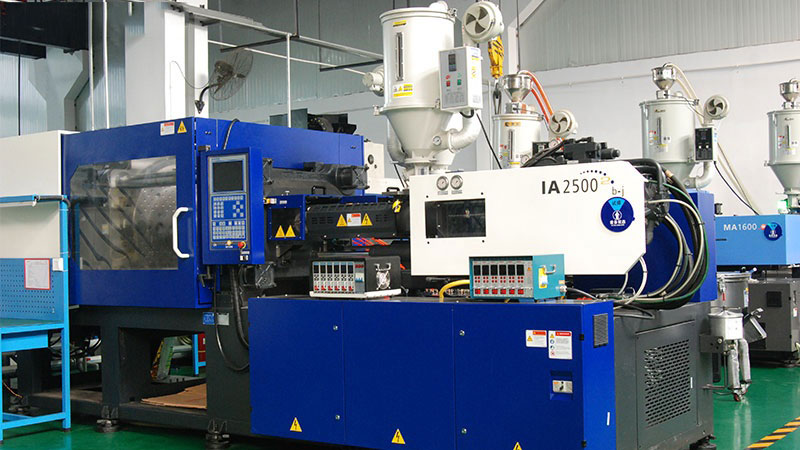
    The first and most critical step is moving beyond superficial online directories. While platforms like Alibaba are useful for initial discovery, they are starting points, not conclusions. In 2026, deep due diligence is non-negotiable. Begin by verifying the business license through official Chinese channels and cross-referencing the company’s registered address. The most effective action is to conduct a virtual factory audit. Request a live video tour of the production floor, specifically asking to see machines similar to the custom injection molding machine you require in operation. Observe the workshop environment, the condition of equipment, and the skill of technicians. Furthermore, insist on speaking directly with the engineering project manager who will oversee your mold, not just a sales representative. This direct contact reveals their technical proficiency and communication style, which are vital for a successful partnership. A reputable China mold factory will be transparent and eager to demonstrate its capabilities.

    Mastering the Technical Communication and Prototyping Phase

    Clear technical communication is the bedrock of a successful injection mold project. To mitigate risks, invest time in creating a comprehensive product design package. This should include not only 3D CAD files (STEP or IGS format) but also detailed 2D drawings with explicit tolerance markings, material specifications, surface finish requirements (e.g., SPI standards), and expected cavitation. Discuss the mold flow analysis (MFA) upfront; a competent supplier will perform and share this analysis to predict and prevent potential defects like warping or sink marks. Before committing to full production of the mold, mandate a prototyping phase. Techniques like 3D printing or soft tooling for low-volume sampling allow you to physically test form, fit, and function. This stage is far less expensive than modifying hardened steel later. Use this prototype to align all stakeholders and ensure the China mold factory has perfectly interpreted your design intent before steel is cut.

    Implementing a Structured Quality Control and Inspection Protocol

    Quality cannot be an afterthought; it must be engineered into the process from day one. Define a clear Quality Inspection Plan (QIP) with your supplier and consider engaging a third-party inspection agency in China for critical checkpoints. The first article inspection (FAI) upon mold completion is essential. This involves measuring the first shots from the finished mold against all critical dimensions on your drawings. For the custom injection molding machine itself, if procured new, verify factory acceptance testing (FAT) reports. For ongoing production, implement a system of in-process quality checks and pre-shipment inspections. Key performance indicators (KPIs) like part weight consistency, cycle time, and defect rates should be monitored. A professional supplier will understand and agree to these protocols, as they demonstrate your commitment to quality and protect both parties from costly disputes. Remember, the goal of procurement is to acquire a reliable asset, not just a commodity.

    Navigating Logistics, IP Protection, and Total Cost Analysis

    The journey is not complete when the mold is finished. Logistics for a heavy, precision injection mold require careful planning. Discuss incoterms (EXW, FOB, CIF) explicitly to avoid hidden costs. Ensure the mold is properly crated for ocean freight to prevent damage. Intellectual Property (IP) protection remains a top concern. While Chinese law has strengthened, practical steps are crucial. Have a clear, legally-vetted Non-Disclosure Agreement (NDA) and a manufacturing agreement that stipulates ownership of all tooling. Some buyers choose to register their design patents in China for an added layer of protection. Finally, conduct a total cost analysis. The cheapest mold or machine often leads to higher costs through delays, repairs, and poor part quality. Factor in the longevity of the tool, the efficiency of the custom injection molding machine, and the supplier’s responsiveness. A slightly higher initial investment with a verified partner typically yields a far superior return on investment and a sustainable supply chain.

    Building a Partnership for Long-Term Success

    View your chosen China mold factory not as a one-time vendor but as a strategic manufacturing partner. The most successful import relationships in 2026 will be those built on transparency, mutual respect, and long-term collaboration. Schedule regular review meetings, provide constructive feedback, and discuss future projects. A partner invested in your success will proactively suggest design for manufacturability (DFM) improvements, offer maintenance tips for your injection mold, and keep you informed about new materials or technologies. This relationship becomes a valuable asset, streamlining your product development cycles and providing a reliable foundation for scaling production.

    Conclusion

    Importing a custom injection molding machine and the accompanying injection molds from China in 2026 is a sophisticated process that rewards diligent preparation and strategic partnership. By executing thorough supplier verification, mastering technical communication, enforcing rigorous quality control, and carefully managing logistics and IP, overseas buyers can confidently unlock the immense value of Chinese manufacturing. The ultimate goal is to transform procurement from a transactional cost-center into a core competitive advantage, securing not just a tool, but a foundation for product excellence and market growth for years to come.

    Work With Us

    As a professional China mold manufacturer, we provide one-stop mold solution for overseas buyers.
    📞 Phone: +86-18605944639
    💬 WhatsApp: +8618605944639
    🌐 Website: bestmoldworks.com
    📧 Email: [email protected]
  • injection molding machine manufacturer in china: Compl 2026

    For overseas buyers, sourcing an injection molding machine manufacturer in China represents a significant strategic decision. The potential for cost efficiency, advanced technological capability, and scalable production is immense. However, navigating this complex market requires more than just a simple supplier list; it demands a structured, informed approach to mitigate risks and secure a truly valuable partnership. This guide for 2026 cuts through the noise to provide a professional, actionable framework for your procurement journey, focusing on solving the real-world challenges faced by international importers.

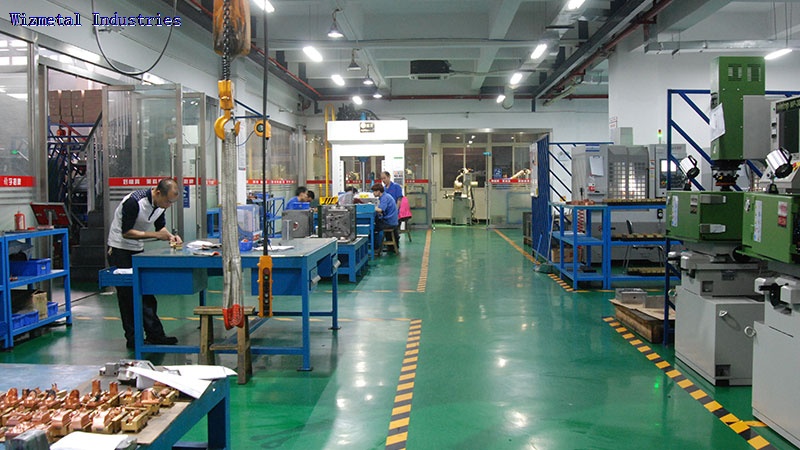
    The foundation of a successful import project lies not just in selecting a machine builder, but in comprehensively verifying your potential partner. The market is stratified, ranging from workshops producing economy-tier machines to globally competitive firms investing heavily in R&D. Your first step is to move beyond Alibaba storefronts. Initiate a deep-dive verification process. Request official business licenses and, crucially, visit the facilities virtually or in person through verified third-party services. In 2026, a reputable injection molding machine manufacturer in China should be transparent, offering live video tours of their assembly lines, quality control labs, and testing floors. Scrutinize their client portfolio for international references, specifically within your industry or for similar machine specifications. This step of supplier verification separates marketing claims from manufacturing competence, ensuring you engage with a entity that has the proven infrastructure to support a long-term business relationship.

    Once a shortlist of credible manufacturers is established, the focus must shift to technical specification and total cost of ownership. The core machine is just one component. You must provide detailed requirements: clamp force tonnage, shot volume, platen size, and the specific injection unit performance needed for your materials. Discuss control systems—brands like Siemens or Bosch Rexroth are common indicators of a higher standard. Importantly, probe into the ancillary support. Will they provide a validated mold from a trusted China mold factory for machine testing? What is the scope of their training, installation documentation, and after-sales service? The procurement conversation must encompass spare parts logistics, warranty terms for critical components like screws and barrels, and the availability of remote diagnostic support. Calculating the true landed cost, including shipping, import duties, and potential commissioning engineer travel, is essential to avoid budgetary oversights.

    The intersection of machine performance and mold design is where product quality is ultimately determined. A world-class machine cannot compensate for a poorly engineered injection mold. Therefore, your chosen machine manufacturer should either have in-house mold design expertise or a strong network of collaborative, high-precision China mold factory partners. During negotiations, inquire about their process for mold qualification and sampling. Will they run a First Article Inspection (FAI) on your specific mold and provide a detailed report with process parameters? This integration is critical. Discuss how the machine’s capabilities, such as precision shot control or servo-driven hydraulics, can be optimized to extend mold life and improve part consistency. A manufacturer that understands this symbiosis adds tremendous value, acting as a technical consultant rather than just an equipment vendor.

    Implementing rigorous quality control protocols from the factory floor to your receiving dock is non-negotiable. Define clear, measurable acceptance criteria before production begins. This should include performance run-offs at the manufacturer’s facility, where you or your appointed agent witnesses the machine producing parts under stable, documented conditions. Key metrics like cycle time consistency, part weight variation, and energy consumption should be recorded. Insist on pre-shipment inspections that cover not only operational tests but also cosmetic and packaging standards to prevent transit damage. For the machine itself, certification of calibration for critical gauges and pressure sensors should be provided. Partnering with a local third-party inspection firm specializing in industrial machinery can provide an objective layer of oversight, ensuring the equipment meets the agreed-upon technical and safety standards before it ever leaves the country.

    Finally, structuring a watertight contractual agreement is your ultimate risk management tool. The contract must be detailed and unambiguous, written in both English and Chinese, with a clause stating which version governs in case of discrepancy. It should meticulously list all specifications, delivery terms (FOB, CIF, etc.), payment schedule tied to milestones like factory acceptance and shipment, warranty details, and liabilities for delays. Crucially, include intellectual property protection clauses, especially if proprietary mold or part data is shared for testing. Define the dispute resolution mechanism, often specifying arbitration in a neutral location. A professional contract sets clear expectations, protects both parties, and provides a legal roadmap for the partnership, transforming a purchase into a governed, strategic alliance.

    Successfully importing from an injection molding machine manufacturer in China in 2026 is a process defined by diligence, technical clarity, and strategic partnership. It moves beyond simple price comparison to a holistic evaluation of capability, quality systems, and long-term support. By methodically executing supplier verification, demanding technical transparency, integrating mold and machine considerations, enforcing stringent quality control, and securing a comprehensive contract, overseas buyers can confidently tap into China’s manufacturing prowess. This approach minimizes risk and maximizes return, ensuring your investment delivers reliable, high-performance production capacity for years to come, solidifying your competitive edge in the global market.

    Work With Us

    As a professional China mold manufacturer, we provide one-stop mold solution for overseas buyers.
    📞 Phone: +86-18605944639
    💬 WhatsApp: +8618605944639
    🌐 Website: bestmoldworks.com
    📧 Email: [email protected]
  • China plastic injection mold Manufacturerturer: Profess 2026

    For overseas buyers, sourcing a reliable China plastic injection mold manufacturer remains one of the most strategic decisions to ensure product quality, control costs, and accelerate time-to-market. As we move into 2026, the landscape is more sophisticated than ever. While the advantages of cost-effectiveness and manufacturing scale are well-known, the real challenge lies in navigating the complexities of procurement to secure a partnership that delivers precision, consistency, and value. This guide cuts through the noise to provide actionable, professional strategies for identifying and collaborating with top-tier Chinese mold factories, transforming a daunting process into a structured, successful venture.

    The cornerstone of any successful import project is rigorous supplier verification. Moving beyond simple online directories or Alibaba storefronts is non-negotiable in 2026. Begin with a deep-dive into the manufacturer’s specialization. A factory claiming to make “everything” often masters nothing. Seek out a China plastic injection mold manufacturer with proven expertise in your specific industry—be it automotive components, medical devices, consumer electronics, or precision gears. Request detailed case studies and, crucially, contact past international clients. Utilize video conferencing for virtual factory tours, focusing not just on machinery but on workshop organization, cleanliness, and safety protocols. Verify international quality certifications like ISO 9001:2015 as a baseline, but dig deeper into any industry-specific standards (IATF 16949 for automotive, ISO 13485 for medical). This initial, thorough vetting filters out unqualified workshops and aligns you with partners capable of meeting your technical demands.

    Once a potential partner is identified, mastering the technical and commercial discussion is critical. The quote you receive is only as good as the specification it’s based on. Provide your chosen China mold factory with exhaustive, unambiguous design data: fully detailed 3D CAD files (STEP or IGES), 2D drawings with GD&T (Geometric Dimensioning and Tolerancing), and clear material specifications for the final plastic parts. Define expected annual volumes, as this influences mold steel selection and cavity count. Discuss and agree upon mold lifecycle expectations—will it need to withstand 100,000 cycles or 1,000,000? Furthermore, transparently negotiate payment terms. Standard terms like 50% deposit and 50% before shipment are common, but for larger projects, consider milestones tied to design approval, first article inspection, and pre-shipment testing. A professional manufacturer will welcome this clarity, as it protects both parties and sets the stage for a smooth project flow.

    Proactive quality control, integrated from the very beginning, is your most powerful risk mitigation tool. Do not treat QC as a final inspection step. Instead, insist on a staged inspection protocol. Key checkpoints include a mold design review (DFM report) to catch potential issues before steel is cut, and a first article inspection (FAI) using parts from the initial mold trials. For this, coordinate with a reputable third-party inspection company based in the mold’s geographic region to conduct on-site checks. They can verify critical dimensions, surface finish, and assembly functionality against your master sample. Additionally, require full documentation: material certificates for the mold steel, mold flow analysis reports, and a comprehensive inspection report for the trial samples. This disciplined approach ensures that the injection mold is built correctly at every phase, preventing costly and time-consuming rework after the mold has shipped to your production facility.

    The final phase—logistics, intellectual property, and long-term partnership—solidifies the investment. Understand Incoterms thoroughly; FOB Shenzhen is vastly different from EXW Dongguan in terms of responsibility and cost. Work with a freight forwarder experienced in handling mold shipments, as these are high-value, heavy, and often require special crating. Regarding intellectual property (IP), a legitimate manufacturer will sign a Non-Disclosure Agreement (NDA) and a product development agreement that clearly assigns all design and tooling IP to you, the buyer. Finally, view this not as a one-off transaction but as the start of a technical partnership. A reliable supplier becomes an extension of your R&D team, offering insights on design for manufacturability, material alternatives, and efficiency improvements for future projects. This collaborative mindset unlocks the true, long-term value of sourcing from a professional China plastic injection mold manufacturer.

    In conclusion, importing molds from China in 2026 demands a blend of diligent verification, technical clarity, embedded quality control, and strategic partnership management. The process is professionalized, and success belongs to buyers who engage with it accordingly. By moving beyond price-centric conversations and focusing on the actionable steps outlined—deep supplier verification, precise technical procurement, staged quality inspections, and careful logistics planning—you transform the inherent challenges of overseas sourcing into a formidable competitive advantage. The goal is not merely to purchase a mold, but to secure a foundation for manufacturing excellence, and with the right approach, China’s mold manufacturing ecosystem is fully equipped to deliver it.

    Work With Us

    As a professional China mold manufacturer, we provide one-stop mold solution for overseas buyers.
    📞 Phone: +86-18605944639
    💬 WhatsApp: +8618605944639
    🌐 Website: bestmoldworks.com
    📧 Email: [email protected]
  • custom molding: Ultimate Guide for Buyers 2026 | China Mold Factory

    For global businesses, sourcing custom plastic parts and components is a strategic decision that directly impacts product quality, time-to-market, and overall cost. China remains the world’s premier hub for mold manufacturing, offering unparalleled expertise, scalability, and value. However, navigating the procurement landscape from afar presents distinct challenges. This definitive 2026 guide is designed to demystify the process, providing overseas buyers with a professional, actionable framework for successful custom molding partnerships with a China mold factory. We move beyond generic advice to solve the real problems you face in supplier verification, communication, quality control, and logistics.

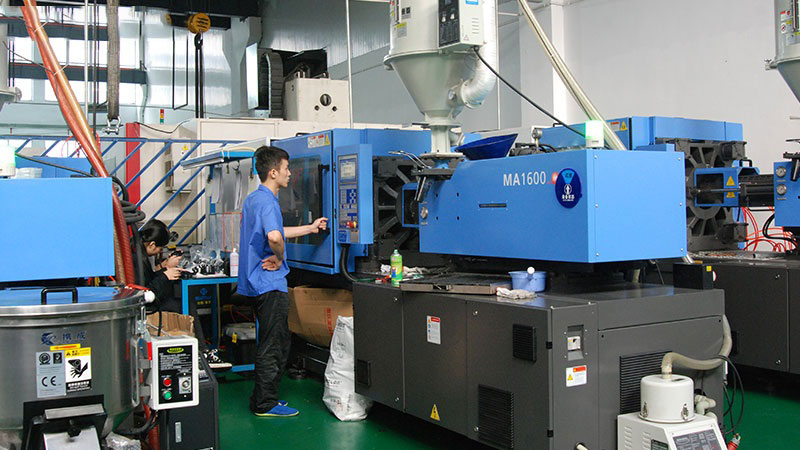
    The cornerstone of any successful import project is selecting the right partner. The initial search for a China mold factory can be overwhelming, with countless options claiming superior capabilities. The key is systematic supplier verification. Begin by scrutinizing technical competencies: does the manufacturer have proven experience with your specific material (e.g., ABS, PP, POM) and product type? Request detailed case studies or samples. Essential checks include auditing their quality management certifications (ISO 9001 is a baseline) and inspecting their equipment list—modern, well-maintained CNC, EDM, and injection molding machines are non-negotiable for precision. Crucially, move beyond email. Insist on a live video tour of the facility. This verifies their operational scale, workshop organization, and technology firsthand, separating serious contenders from trading companies or under-resourced workshops. This due diligence in procurement mitigates your foremost risk.

    Once a qualified supplier is shortlisted, mastering the technical and commercial negotiation phase is critical. A precise Request for Quotation (RFQ) package is your most powerful tool. This must extend beyond a simple 3D file (STEP or IGS format). Include a comprehensive product design specification covering material grade, critical dimensions and tolerances (GD&T), surface finish requirements (SPI standards), and expected annual volumes. For the injection mold itself, specify mold steel type (e.g., P20, H13, S136 for corrosion resistance), cavity life expectancy, and hot runner system preferences. Transparent discussions about payment terms (e.g., 30-50% deposit, balance before shipment) and a detailed timeline with milestones for design review, T1 sample, and production are essential. Clarify intellectual property protection by signing a mutual NDA and ensuring your contract stipulates sole ownership of all mold and design rights. A professional factory will engage deeply on these specifics, not just provide a bottom-line price.

    The true test of a China mold factory partnership unfolds during the sampling and quality control phase. Never approve mass production based solely on CAD drawings or verbal assurances. The First Article Inspection (FAI) report from the initial (T1) samples is paramount. You must establish a clear Quality Control protocol before mold fabrication begins. This should define which party conducts inspections, the measurement equipment used (CMM, optical scanners), and the Acceptable Quality Level (AQL) for production runs. For critical components, consider engaging a trusted third-party quality inspection service in China for impartial pre-shipment inspections. They can verify dimensions, material composition, color consistency, and assembly functionality directly on the factory floor. Furthermore, discuss the mold trial process and who bears the cost for minor adjustments—a reputable supplier will include one or two rounds of modifications in the initial quote. Proactive quality control here prevents costly defects and delays later.

    Finalizing the project requires meticulous attention to logistics, shipping, and after-sales support. Incoterms 2020 must be explicitly agreed upon to delineate responsibilities and costs. For high-value injection molds, FOB (Free On Board) is often preferred, giving you control over the main shipping freight and insurance. Ensure the factory provides professional mold packaging—crated, desiccated, and protected against rust and shock—to prevent transit damage. For ongoing production of molded parts, discuss their capacity for bulk part manufacturing, packaging, and their experience with export documentation. A forward-thinking partner will also outline their after-sales service: what is their policy on mold repair, maintenance, and storage? Will they provide spare wear parts? Establishing these protocols ensures the longevity of your custom molding investment and secures a reliable supply chain for years to come.

    In conclusion, importing custom molding solutions from China in 2026 is a highly advantageous strategy when executed with precision and foresight. The journey from concept to delivered parts hinges on a structured approach: rigorous supplier verification, crystal-clear technical communication, embedded quality control measures, and robust logistical planning. By treating your chosen China mold factory as a strategic partner rather than just a vendor, you unlock immense value, innovation, and scalability. This guide provides the foundational framework to build that partnership confidently. As you embark on your next project, let these actionable principles steer your procurement process, ensuring you receive not only a high-quality injection mold but also a seamless, professional, and reliable supply chain that supports your global business ambitions.

    Work With Us

    As a professional China mold manufacturer, we provide one-stop mold solution for overseas buyers.
    📞 Phone: +86-18605944639
    💬 WhatsApp: +8618605944639
    🌐 Website: bestmoldworks.com
    📧 Email: [email protected]
  • injection mold manufacturer china: Complete Procurement 2026

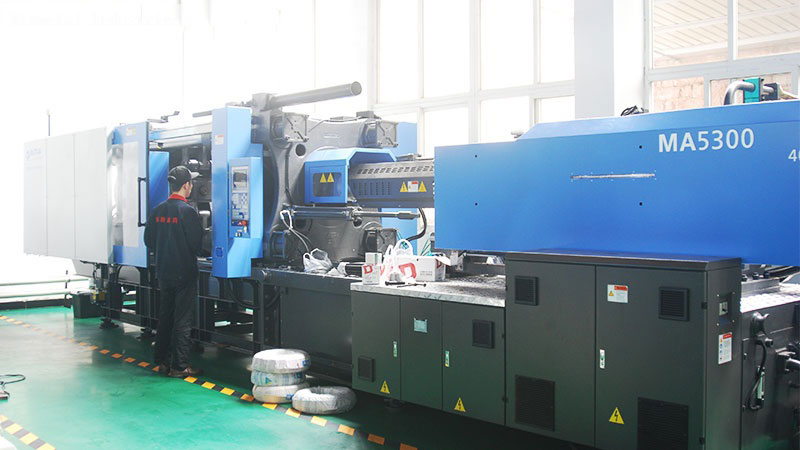
    For overseas buyers, sourcing an injection mold from China remains one of the most strategic decisions to achieve competitive manufacturing. The landscape, however, is constantly evolving. What worked in procurement five years ago may now be inefficient or risky. This guide, tailored for 2026, cuts through the noise to provide a complete, professional framework for successfully partnering with a **China mold factory**. We move beyond simple supplier lists to address the core challenges of verification, communication, quality assurance, and logistics, ensuring your next **injection mold** project is a resounding success.

    Mastering Supplier Verification in the Digital Age

    The initial search for an **injection mold manufacturer china** is deceptively simple; a quick online search yields thousands of results. The 2026 procurement strategy must be more nuanced. Begin with a multi-platform approach: scrutinize detailed B2B platform profiles (like Made-in-China or Alibaba), but also cross-reference with the supplier’s own professional website and their activity on LinkedIn. Look for consistent storytelling—do their case studies, machine lists (e.g., Sodick, Fanuc, DMG Mori), and quality certifications (ISO 9001, IATF 16949) align across all channels? The modern verification step is a video audit. Insist on a live video tour of the facility. This allows you to verify machinery, workshop organization, and gauge technical communication skills in real-time. Ask to see similar molds to your project, either physically or in their project portfolio. This process moves you from a faceless quote to a vetted potential partner.

    Technical Communication and DFM: The Cornerstone of Success

    A common pitfall is issuing a final 3D drawing and expecting a perfect mold. The most reliable **injection mold manufacturer china** will treat your initial design as a starting point for collaboration. Proactively engage in Design for Manufacturability (DFM) analysis. A competent supplier will provide a formal DFM report, highlighting potential issues like undercuts, wall thickness inconsistencies, gate locations, and ejection strategies. They should suggest modifications that simplify the mold, reduce cost, and improve part quality. Clear communication protocols are vital. Establish a single point of contact—a project engineer who speaks technical English. Use marked-up PDFs, 3D annotation tools (like shared screens in video calls), and sample references to eliminate ambiguity. Document all agreements on material specs, surface finishes (SPI/VDI standards), and critical dimensions in a formal Purchase Order or technical agreement.

    Implementing a Proactive Quality Control Pipeline

    Quality control cannot be an afterthought; it must be engineered into the procurement timeline. Relying solely on a pre-shipment inspection is a 2020 strategy. For 2026, define a staged inspection and communication plan. Key milestones include: First Article Inspection (FAI) after mold trial, using Coordinate Measuring Machine (CMP) reports and actual shot samples. Demand high-resolution photos and videos of the mold during key stages—machining, polishing, assembly, and most importantly, during the trial run. For critical projects, budget for an in-process inspection by a trusted third-party quality agency. This allows for corrections before the mold is completed. Finally, ensure your supplier provides a comprehensive mold data sheet and proper maintenance instructions. This proactive **quality control** approach mitigates risk and ensures the delivered tool meets your production requirements.

    Navigating Logistics, IP Protection, and Total Cost

    The lowest quoted mold price is rarely the final total cost. A complete **procurement** strategy accounts for all ancillary factors. Firstly, intellectual property (IP) protection: while a strong contract is essential, practical steps are more effective. Work with suppliers who respect IP, consider modularizing sensitive designs, and only release full drawings in stages as trust is built. Regarding logistics, Incoterms 2026 are crucial. For mold sourcing, EXW (Ex Works) or FOB are common, but understand the responsibilities each entails. Factor in shipping, insurance, and potential import duties. Discuss mold packaging—it must be crated for oceanic transport with proper desiccant to prevent rust. Finally, calculate the total cost of ownership: consider the mold’s expected lifespan, ease of maintenance, and the supplier’s willingness to provide spare parts and technical support for future repairs. A slightly higher initial investment in a robust tool and partnership saves significant cost and downtime over years of production.

    Conclusion

    Procuring an injection mold from China in 2026 demands a blend of diligent verification, technical collaboration, embedded quality assurance, and holistic cost analysis. The goal is to transform a transactional purchase into a strategic partnership with a capable **injection mold manufacturer china**. By implementing the structured approach outlined—from digital-age supplier verification and proactive DFM to staged quality control and total cost management—overseas buyers can significantly de-risk their sourcing journey. This professional framework not only secures a high-quality tool but also establishes a reliable supply chain foundation for serial production, driving long-term competitiveness and innovation in your market.

    Work With Us

    As a professional China mold manufacturer, we provide one-stop mold solution for overseas buyers.
    📞 Phone: +86-18605944639
    💬 WhatsApp: +8618605944639
    🌐 Website: bestmoldworks.com
    📧 Email: [email protected]
  • mold supplier near me: Best Suppliers & Quality Control 2026

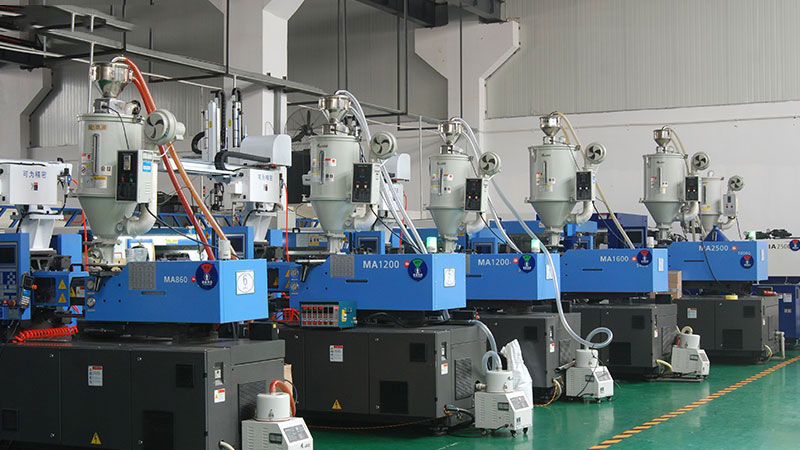
    For overseas buyers, the search for a reliable “mold supplier near me” often leads to a global marketplace, with China standing as the predominant hub for precision tooling. However, geographical distance introduces complexities in procurement, communication, and quality assurance. This guide is designed to translate the challenge of sourcing from afar into a strategic advantage. We will navigate the process of identifying top-tier China mold factory partners and implementing rigorous quality control protocols to ensure your 2026 projects launch successfully and cost-effectively.

    The core challenge is redefining “near me” in a global context. It is less about physical proximity and more about logistical efficiency, communication accessibility, and supply chain transparency. A supplier may be thousands of miles away but feel “close” through responsive service, clear documentation, and reliable shipping channels. Your goal is to build a partnership where the supplier acts as a seamless extension of your operations. This begins with a shift from simply finding a vendor to conducting thorough supplier verification and building a relationship based on mutual understanding and stringent quality benchmarks.

    Begin with Strategic Supplier Verification and Vetting

    The foundation of a successful import project is the selection process. Cast a wide net but employ a precise filter. Utilize B2B platforms like Alibaba, Made-in-China, and Global Sources to create a longlist, but do not stop there. The critical step is deep verification. For each potential China mold factory, request a detailed company profile including years in operation, ownership structure, and primary export markets. Insist on a virtual factory tour via video call; a reputable supplier will readily showcase their workshop, machinery (look for CNC, EDM, and CMM machines), and assembly areas. Scrutinize their portfolio for projects similar in complexity, material, and industry to yours. Furthermore, check for relevant international certifications such as ISO 9001:2015, which indicates a baseline quality management system. This rigorous vetting moves you from a random search to a shortlist of qualified candidates.

    Master Communication and Technical Documentation

    Clear communication is the bridge that closes the physical gap. The most common pitfalls in injection mold projects stem from ambiguous specifications. To prevent this, your technical documentation must be impeccable. Provide not just a 3D model (STEP or IGS file), but a comprehensive mold design specification. This should include critical details: material type (e.g., P20, H13 steel), surface finish requirements (SPI standards), tolerance levels, cavity numbering, gate type and location, ejection method, and expected cycle life. Use annotated drawings and markups to eliminate guesswork. During discussions, confirm the supplier’s understanding by asking them to paraphrase key requirements. Assign a single point of contact on both sides to streamline communication. This meticulous approach ensures the quoted price and timeline are based on a unified understanding, preventing costly changes and delays later.

    Implement a Phased Quality Control and Inspection Protocol

    Quality cannot be an afterthought; it must be engineered into the process through a defined protocol. For overseas buyers, a structured Quality Control (QC) plan is non-negotiable. This should be a condition of your purchase order. The protocol must include defined inspection stages. First, a Design for Manufacturability (DFM) report should be requested and reviewed before steel is cut. Next, insist on regular photo or video updates of key milestones: material certification, rough machining, heat treatment, and final assembly. The most critical stage is the Pre-Shipment Inspection (PSI). Either hire a reputable third-party inspection company located near the China mold factory or plan for your own representative to witness the first article inspection (FAI). The FAI should include a trial run (T1 sample) on the supplier’s press with the actual production material, measuring critical dimensions and checking for defects. Only upon approval of the sample and full inspection report should shipment be authorized.

    Navigate Logistics, IP Protection, and After-Sales Support

    The final hurdles before the mold reaches your door involve legal and logistical foresight. Protect your intellectual property with a formal Non-Disclosure Agreement (NDA) and consider registering your design in China if it is highly proprietary. For logistics, discuss Incoterms clearly—FOB Shanghai is common, giving you control over shipping and insurance. Ensure the supplier provides proper mold preservation (anti-rust coating) and robust packaging for ocean freight. Crucially, clarify after-sales support terms. What is the warranty period for workmanship and materials? How are repair or modification requests handled? A reliable supplier will offer a clear warranty, typically 12-18 months, and support for maintenance. Establishing these terms upfront solidifies a long-term partnership, ensuring your injection mold investment is protected for its entire lifecycle.

    Conclusion

    Finding the right “mold supplier near me” as an overseas buyer is a deliberate process of turning global sourcing into a localized, trustworthy partnership. By moving beyond basic price comparisons to execute thorough supplier verification, mastering technical communication, enforcing phased quality control, and securing clear logistical and after-sales terms, you transform risk into reliability. The leading China mold factory partners in 2026 will be those that embrace this transparent, collaborative approach. Your diligence in these areas ensures that the molds you import are not just cost-effective but are catalysts for quality, efficiency, and competitive advantage in your own market. Start your next procurement journey with this strategic framework to build a supply chain that is both globally savvy and locally dependable.

    Work With Us

    As a professional China mold manufacturer, we provide one-stop mold solution for overseas buyers.
    📞 Phone: +86-18605944639
    💬 WhatsApp: +8618605944639
    🌐 Website: bestmoldworks.com
    📧 Email: [email protected]

  • Custom molds for candles: Expert Tips & Solutions 2026

    Importing custom molds for candles from China presents a compelling opportunity for overseas businesses to access high-quality manufacturing, innovative designs, and cost-effective production. However, navigating this complex procurement landscape requires a strategic approach to mitigate risks and ensure a successful partnership. As we move into 2026, the market demands greater sophistication from buyers. This guide provides expert tips and actionable solutions to help you secure reliable, high-precision molds that will elevate your candle product line.

    The foundation of a successful import project lies in meticulous supplier verification. The term “China mold factory” encompasses a vast spectrum, from small workshops to highly automated facilities. Your first task is to move beyond basic directories and conduct deep due diligence. Request detailed company profiles, ask for evidence of past work specifically on candle molds, and insist on virtual factory tours via video call. Examine their expertise in relevant technologies, whether for simple silicone molds or complex multi-cavity injection molds for detailed figurine candles. Verify business licenses and check for international certifications. In 2026, a reputable supplier will be transparent, readily providing client references from your region or similar markets. This step filters out intermediaries and aligns you with capable manufacturers from the start.

    Once a potential partner is identified, mastering the technical and commercial discussion is crucial. Clearly communicate your design intent, preferred materials (like aluminum for durability or silicone for flexibility), and expected production volume. For intricate designs requiring high consistency, discuss the applicability of an injection mold process, which, while involving higher initial tooling cost, offers superior longevity and detail for large-scale runs. Provide comprehensive 3D drawings or precise specifications to eliminate ambiguity. Negotiate not just on unit price, but on the entire cost structure, including mold trial fees, sample costs, payment terms (staged payments are standard), and delivery timelines. A professional China mold factory will offer constructive feedback on your design for manufacturability, suggesting adjustments that can reduce cost or improve mold performance without compromising your vision.

    Implementing rigorous quality control protocols throughout the manufacturing cycle is non-negotiable. Do not wait until shipment to inspect the final product. Instead, define clear Quality Control checkpoints. The most critical is the Trial Sample Report (TSR) after the first mold is produced. Insist on receiving physical samples from the actual production mold, not just 3D-printed prototypes. Evaluate these samples for dimensional accuracy, surface finish, detail sharpness, and functionality—does the candle release cleanly? For injection molds, check for flash and seam lines. Consider employing a third-party quality inspection service in China for an impartial Pre-Shipment Inspection (PSI) to verify quantity, workmanship, and packaging. This proactive approach prevents costly defects from reaching your doorstep and ensures the custom molds for candles you receive meet your exact specifications.

    Managing logistics and fostering a long-term relationship are the final pillars of success. Understand the Incoterms (like FOB or EXW) in your contract, as they define responsibilities and costs for shipping and insurance. For heavy steel or aluminum molds, sea freight is economical, but for urgent silicone prototypes, air freight might be justified. Work with a reliable freight forwarder experienced in handling industrial tooling. Post-procurement, view your supplier as a strategic partner. Provide clear feedback on the samples and the performance of the production mold. A successful project paves the way for future collaborations, potential discounts on subsequent orders, and priority service. In the dynamic market of 2026, a trusted partner is an invaluable asset for scaling your business and adapting to new trends in candle design.

    In conclusion, importing custom molds for candles from China in 2026 is a process built on research, clear communication, and diligent oversight. By rigorously verifying your China mold factory, engaging in detailed technical procurement discussions, enforcing staged quality control, and planning logistics strategically, you transform a complex international transaction into a streamlined and rewarding venture. The goal is to secure not just a product, but a reliable manufacturing extension that delivers precision, quality, and value, enabling you to bring innovative and beautifully crafted candles to your market with confidence.

    Work With Us

    As a professional China mold manufacturer, we provide one-stop mold solution for overseas buyers.
    📞 Phone: +86-18605944639
    💬 WhatsApp: +8618605944639
    🌐 Website: bestmoldworks.com
    📧 Email: [email protected]

  • injection moulding factory near me: Ultimate Guide for 2026

    For overseas buyers, the search for an “injection moulding factory near me” often evolves into a more strategic, global quest. While local manufacturing offers certain conveniences, China remains the undisputed powerhouse for high-quality, cost-effective injection mold tooling and production. However, navigating this vast market requires a modern, informed approach. This guide for 2026 cuts through the noise, providing a professional roadmap to successfully partner with a reliable China mold factory. We will move beyond simple directories and address the real procurement challenges you face, from initial supplier verification to final quality control.

    The fundamental shift in 2026 is to stop searching for proximity and start building strategic proximity through process. Your goal is not to find a factory that is geographically close, but one that is operationally transparent, communicatively aligned, and reliably integrated into your supply chain. This begins with a refined supplier verification process that leverages both technology and old-fashioned due diligence. Start by utilizing professional B2B platforms like Global Sources or Made-in-China, but treat them as a starting point, not a finish line. Scrutinize factory certifications (ISO 9001, IATF 16949 for automotive) and request detailed company profiles. The critical step is a virtual audit: insist on a live video tour of the facility. A reputable injection molding factory will readily showcase their workshop, mold trials area, and quality lab. This real-time interaction reveals more than a hundred polished brochures.

    Once you have a shortlist of potential partners, your procurement strategy must focus on technical clarity and intellectual property protection. The complexity of your injection mold is the central factor. When requesting quotes, provide exceptionally detailed specifications: 3D files (STEP or IGS), material specifications, expected annual volumes, cavity requirements, and surface finish standards. Clearly outline the mold lifecycle expectations. In 2026, leading Chinese suppliers expect and respect comprehensive NDAs and mold ownership agreements. Ensure your contract explicitly states that all design IP and physical mold property belong to you. Discuss and agree upon payment terms that protect both parties; a common and balanced structure is 40% deposit, 50% upon pre-shipment inspection, and 10% after successful production trial. This ties payment to tangible milestones.

    The core of a successful partnership lies in a rigorous, multi-stage quality control protocol. Do not wait until the final product shipment to inspect. For injection mold procurement, insist on critical checkpoints. First, approve the mold design review (DFM report) before steel is cut. Second, require photos and videos of the finished mold and first article inspection (FAI) reports from the trial shots. The most effective tool at your disposal is hiring a local third-party quality inspection company to conduct an on-site Pre-Shipment Inspection (PSI) during the trial run. They will check dimensional accuracy, material conformity, and part functionality against your approved samples. This step, though an added cost, is invaluable for risk mitigation and ensures the China mold factory’s output meets your precise standards before the mold leaves their facility.

    Building a sustainable relationship transcends a single transaction. The ideal injection moulding factory near me, metaphorically speaking, is one that acts as a true extension of your engineering team. Evaluate their communication efficiency and project management capabilities. Do they assign a dedicated project manager who speaks fluent technical English? Do they use professional project management software to share progress updates? In 2026, leveraging digital collaboration tools—shared cloud folders for drawings, regular video conference updates—is standard for top-tier factories. Furthermore, discuss their capacity for ongoing maintenance and mold modification. A reliable partner will offer reasonable rates for mold repairs and storage, ensuring the longevity of your tooling investment and simplifying future production runs.

    Conclusion

    Sourcing an injection mold from China in 2026 is a deliberate process of creating reliability through verification, clarity, and proactive quality management. The journey from searching “injection moulding factory near me” to securing a trusted manufacturing partner in China is defined by strategic actions: conducting thorough virtual audits, enforcing IP protection, implementing staged payment and inspection milestones, and fostering digital collaboration. By following this structured approach, you transform geographical distance into a competitive advantage—gaining access to world-class engineering and manufacturing capabilities while maintaining control over quality, cost, and timeline. Your ultimate goal is to build a partnership where the factory’s performance and transparency make them feel reliably “near,” regardless of the miles on a map.

    Work With Us

    As a professional China mold manufacturer, we provide one-stop mold solution for overseas buyers.
    📞 Phone: +86-18605944639
    💬 WhatsApp: +8618605944639
    🌐 Website: bestmoldworks.com
    📧 Email: [email protected]

  • injection molding: Professional Buying Guide 2026 | China Mold Factory

    For overseas buyers, China remains the epicenter of global mold manufacturing, offering unparalleled expertise, scalability, and cost efficiency. However, navigating the vast landscape of suppliers to secure a high-quality injection mold that meets precise specifications requires a strategic and informed approach. This guide is designed to cut through the noise, providing a professional, actionable framework for your procurement process in 2026. We will move beyond basic price comparisons and focus on the critical steps that separate successful, long-term partnerships from costly mistakes.

    The cornerstone of a successful import project is rigorous supplier verification. In 2026, this goes far beyond checking a business license. Start by categorizing potential China mold factories by their core competency: are they prototyping specialists, high-volume production experts, or serving your specific industry niche? Utilize digital verification tools; a professional factory will have a detailed website, but also cross-reference their presence on B2B platforms like Made-in-China or Alibaba, examining transaction histories and client reviews. The most critical step, however, is a virtual or in-person audit. Request a live video tour of their facility. Observe their machinery—are injection molding machines and CNC equipment modern and well-maintained? Assess their workshop organization and ask to see examples of previous work, specifically molds for parts similar to yours. Verify their engineering team’s capability by discussing your project’s CAD files upfront; their questions will reveal their technical depth.

    Once a shortlist of qualified partners is established, mastering the technical and commercial quotation phase is vital. A professional quotation for an injection mold should be transparent and itemized. Be wary of a single, lump-sum price. Request a breakdown that includes mold base cost, cavity and core material (e.g., P20, H13, Stainless Steel), the number of cavities, surface finish requirements (SPI standards), and details of all ancillary components like sliders, lifters, and hot runner systems. Clearly define the deliverables: this includes 3D mold design approval, mold flow analysis reports, sample parts for approval, and the terms for mold modification. For the injection molding process itself, clarify if the quote includes initial production batches or is for the tooling only. Always stipulate payment terms that protect both parties, such as a staggered schedule (e.g., 30% deposit, 40% after design approval, 30% before shipment).

    Proactive quality control, integrated from the very beginning, is non-negotiable. Do not treat QC as a final inspection step. Engage your chosen China mold factory in a collaborative quality planning process. During design review, insist on a Digital Mold Flow Analysis to predict and rectify potential filling issues, weld lines, or sink marks before steel is cut. Establish clear, measurable Quality Control checkpoints at critical stages: First Article Inspection (FAI) after the mold is trialed, using Coordinate Measuring Machine (CMM) reports to validate part dimensions against your CAD model. Define the sample approval process—how many pre-production samples will be provided, and what is the procedure for approving them before mass production commences? For ongoing production, specify the use of Process Control Sheets and statistical data collection to ensure consistency. Consider engaging a trusted third-party inspection service in China for critical milestone inspections to provide an unbiased report.

    Finally, a smooth procurement experience hinges on managing logistics, intellectual property, and building partnership. Legally protect your investment with a clear, mutually signed contract that covers IP ownership of the mold and part design, warranty terms for the injection mold (typically 1-2 years against manufacturing defects), and liability clauses. Discuss logistics planning early; mold shipping requires expert packing, often in wooden crates, and you must decide on Incoterms (e.g., FOB, EXW, DAP) that define responsibilities and costs. For the ongoing injection molding production, establish clear communication protocols and a single point of contact on both sides. View this not as a transactional purchase but as forging a manufacturing partnership. A reliable factory becomes an extension of your team, capable of supporting design for manufacturability (DFM), maintenance, and future iterations.

    In conclusion, importing an injection mold from China in 2026 is a highly viable strategy that demands professionalism, diligence, and a partnership mindset. The journey from concept to a box of perfect parts in your warehouse is paved with detailed engineering, transparent communication, and systematic verification. By focusing on deep supplier vetting, technical clarity in quotations, embedded quality control processes, and solid contractual foundations, you transform the inherent complexity of overseas procurement into a competitive advantage. The goal is to leverage the sophisticated capabilities of a top-tier China mold factory to secure not just a tool, but a foundation for product quality, cost efficiency, and market success for years to come.

    Work With Us

    As a professional China mold manufacturer, we provide one-stop mold solution for overseas buyers.
    📞 Phone: +86-18605944639
    💬 WhatsApp: +8618605944639
    🌐 Website: bestmoldworks.com
    📧 Email: [email protected]

  • Custom silicone molds for resin: Ultimate Guide for Buy 2026

    Navigating the landscape of manufacturing custom silicone molds for resin in China presents a significant opportunity for overseas businesses seeking quality, affordability, and scalability. As we approach 2026, the market is more sophisticated and competitive than ever, demanding a strategic approach from international buyers. This guide is designed to cut through the noise and provide you with a professional, actionable framework for successful procurement. We will move beyond basic supplier directories to address the real challenges you face: verifying manufacturer credibility, ensuring precise specifications, managing quality across distances, and securing a supply chain that delivers consistent value. Whether you are a seasoned importer or embarking on your first mold-sourcing project, the following insights will equip you with the knowledge to make informed decisions and build profitable, long-term partnerships with Chinese mold factories.

    The foundational step in your procurement journey is meticulous supplier verification. The term “China mold factory” encompasses a vast spectrum, from highly specialized workshops to large-scale integrated manufacturers. Begin by leveraging B2B platforms not just for contact, but for deep due diligence. Scrutinize business licenses, years in operation, and, most importantly, their portfolio of past work specifically with custom silicone molds for resin. Request and verify client references from your region. A credible supplier will readily provide video walk-throughs of their facility via video call, showcasing their clean room environment for silicone mixing and pouring, which is critical for bubble-free molds. In 2026, digital trust signals are paramount; look for suppliers with detailed case studies, technical blogs, and active engagement on professional industry channels. This initial verification phase is your primary defense against quality issues and logistical nightmares.

    Once a shortlist of potential partners is established, the focus shifts to technical specification and prototyping. The success of your final resin castings is entirely dependent on the precision of the master model and the silicone mold itself. Professional Chinese manufacturers will guide you through selecting the correct silicone type—be it platinum-cure for ultra-high detail and food safety or tin-cure for cost-effective larger runs. Provide your potential supplier with exhaustive 3D CAD files or a physical master. Discuss critical details such as shore hardness (flexibility), intended resin type, expected number of casts, and any undercuts requiring a multi-part mold design. Insist on a prototype or a sample mold before authorizing full production. This step, though incurring additional cost and time, is non-negotiable. It allows for practical testing of mold release, capture of fine detail, and overall functionality, ensuring the final batch of custom silicone molds for resin meets your exact commercial requirements.

    Effective quality control (QC) is the linchpin of successful importation. Do not assume standards are universally understood; they must be explicitly defined and agreed upon. Prior to production, establish a Quality Inspection Plan with your supplier. This document should outline measurable criteria: dimensional accuracy against CAD drawings, shore hardness testing, visual inspection for imperfections like bubbles or tears, and a casting test using your specific resin. For significant orders, engaging a third-party QC inspection service based in China for a Pre-Shipment Inspection (PSI) is a highly recommended investment. An inspector will visit the factory, perform random sampling from the production batch, and test the molds against your agreed checklist, providing an unbiased report before shipment. This proactive measure mitigates the immense cost and frustration of receiving a substandard container load, transforming quality assurance from a hope into a managed process.

    Understanding the total cost structure and logistics completes the procurement picture. While unit price is a factor, the most reliable China mold factory will provide a transparent breakdown, including costs for materials, labor, tooling (the master/model), and packaging. For projects involving high volumes or complex shapes that may later be used for injection mold production in plastic, discuss this potential scalability upfront. Logistics require careful planning. Silicone molds are relatively lightweight but can be bulky. Decide with your supplier on optimal packaging to prevent deformation during transit. Clarify Incoterms 2020—typically FOB (Free On Board) is standard, meaning you control and pay for shipping and insurance once the goods are loaded at the Chinese port. Work with a reputable freight forwarder experienced in handling industrial goods to navigate customs clearance in your country efficiently. A clear understanding of these financial and logistical frameworks prevents unexpected expenses and delays.

    Building a strategic partnership, rather than conducting a one-off transaction, is the ultimate goal for 2026 and beyond. The most successful overseas buyers view their Chinese mold supplier as a collaborative extension of their product development team. Communicate regularly, provide constructive feedback, and discuss future product pipelines. A trustworthy partner will offer insights on material advancements, design for manufacturability tips to reduce costs, and proactive updates on production timelines. This relationship becomes a significant competitive asset, enabling you to innovate faster and adapt to market trends with a reliable manufacturing foundation. It transforms procurement from a cost center into a value-driving component of your business.

    Importing custom silicone molds for resin from China in 2026 demands a blend of rigorous verification, technical collaboration, and strategic partnership management. By implementing a disciplined approach to supplier verification, insisting on prototypes, enforcing structured quality control protocols, and mastering cost and logistics, you significantly de-risk the process. The goal is to move from being just an international buyer to becoming a valued client for a proficient China mold factory. This shift ensures not only the success of your immediate order but also secures a resilient and innovative supply chain capable of supporting your brand’s growth for years to come. Start your next project with this framework, and transform the complexity of global procurement into your most reliable business advantage.

    Work With Us

    As a professional China mold manufacturer, we provide one-stop mold solution for overseas buyers.
    📞 Phone: +86-18605944639
    💬 WhatsApp: +8618605944639
    🌐 Website: bestmoldworks.com
    📧 Email: [email protected]