For overseas businesses, sourcing from a China plastic mold factory represents a significant strategic advantage in terms of cost-efficiency and manufacturing scalability. However, the journey from initial inquiry to receiving high-quality, production-ready molds involves navigating a complex landscape. This 2026 guide is designed to cut through the noise and provide you with a professional, actionable framework for successful procurement. We will move beyond basic directories and address the real challenges you face in supplier verification, technical communication, quality control, and logistics, ensuring your investment in an injection mold delivers maximum return.
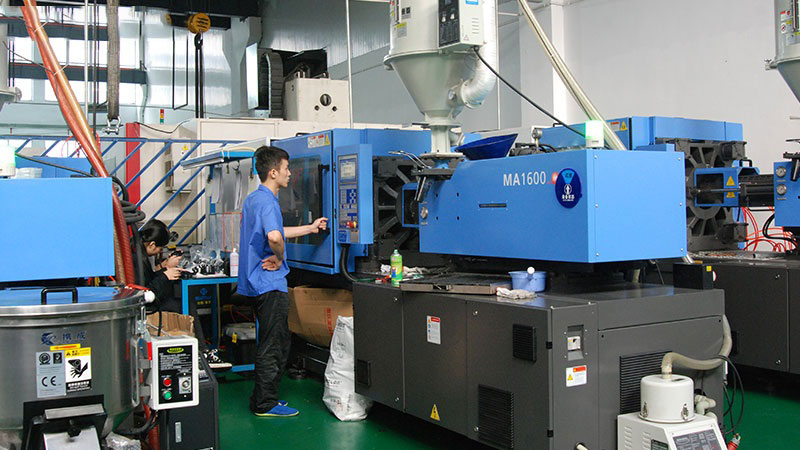
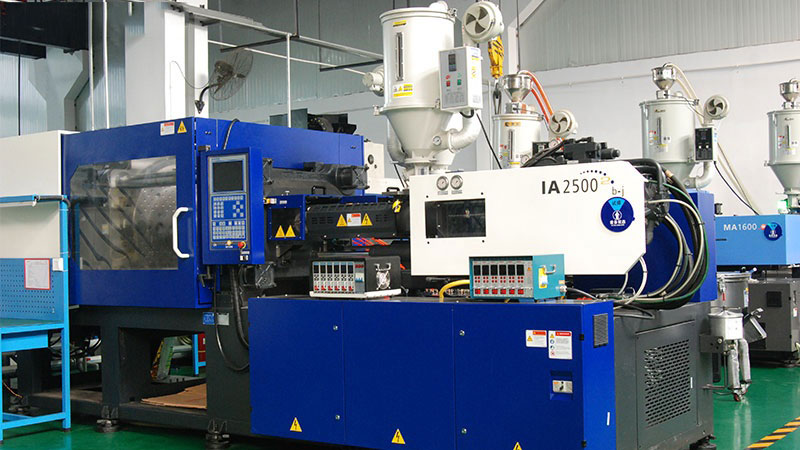
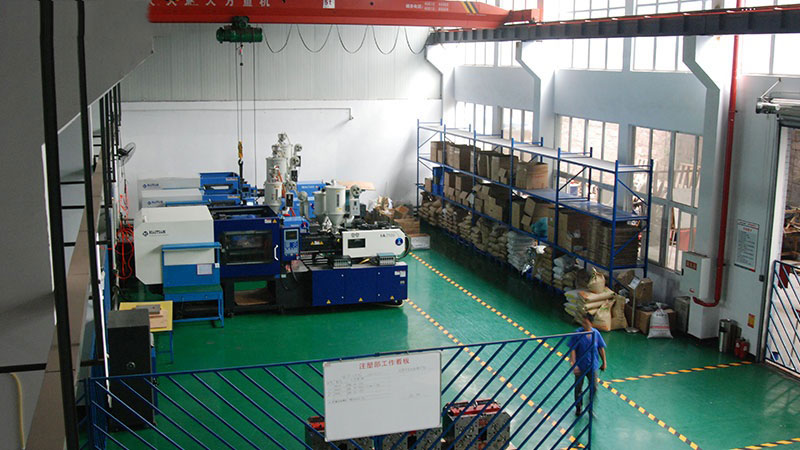
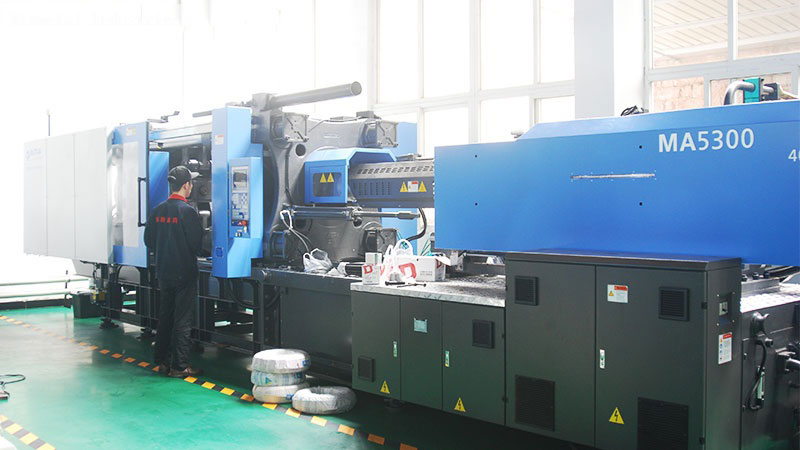
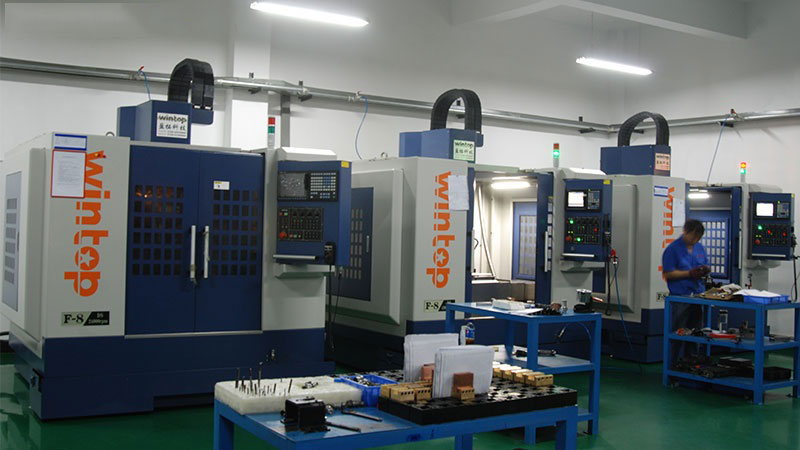
The cornerstone of a successful import project is rigorous supplier verification. In 2026, due diligence goes far beyond checking a company’s website. Start by verifying the China mold factory’s business license via official Chinese platforms and cross-referencing their registered capital and scope of business. Prioritize factories that openly share detailed case studies, preferably with videos of their machining centers (CNC, EDM) and mold testing facilities. A critical step is to request and contact past international clients. A reputable supplier will provide these references. Furthermore, utilize video call platforms to conduct a virtual factory tour in real-time; this allows you to assess workshop organization, equipment brands, and engineering team interactions directly, separating marketing claims from operational reality.
Clear and precise technical communication is your primary defense against costly errors. The initial step is to provide a comprehensive and validated product design, ideally as a 3D CAD file (e.g., STEP, IGES) alongside fully detailed 2D drawings. Specify every critical dimension, tolerance, surface finish (e.g., SPI standards), and material (including grade and supplier preference for the final plastic). When discussing your project with the injection mold supplier, insist on a formal Design for Manufacturability (DFM) report. A professional factory will analyze your design and suggest modifications to improve moldability, reduce complexity, and enhance part strength. This collaborative document is crucial for aligning expectations before any steel is cut. Clearly define all deliverables: the number of mold cavities, cycle time targets, and the exact components included in the final shipment.
Implementing a structured quality control protocol is non-negotiable. Agree on inspection milestones before production begins. The First Article Inspection (FAI) is the most critical. This involves measuring sample parts from the initial production run against all dimensions on the approved drawings. For this, you have several options: hire a trusted third-party inspection company based in China to conduct an on-site FAI, request the factory to perform a comprehensive inspection and provide a detailed report with photos and CMM data, or, for high-value projects, plan for a visit by your own quality team. Additionally, specify the mold material certificates (e.g., for pre-hardened steel like P20 or hardened steel like S136) and require material test reports to ensure metallurgical compliance. Do not accept the final shipment until you have reviewed and approved all quality documentation.
Understanding the full cost structure and managing logistics proactively will prevent unforeseen expenses and delays. A professional quotation from a China plastic mold factory should be broken down clearly: mold base cost, cavity/core machining, materials, labor, and any ancillary costs like T1 sample shipping. Be wary of suspiciously low bids, as they often indicate corner-cutting on materials or processes. For logistics, Incoterms 2020 are essential. For most buyers, FOB (Free On Board) is a balanced choice, giving you control over the main shipping freight and insurance while the factory handles delivery to the port. Ensure the mold is properly prepared for ocean freight: it must be cleaned, rust-prevented, and securely packed in a custom wooden crate with internal bracing. Verify that all documentation, including a commercial invoice, packing list, and bill of lading, is accurate to ensure smooth customs clearance in your country.
In conclusion, importing molds from China in 2026 demands a blend of traditional procurement wisdom and modern verification techniques. The path to a successful partnership with a China plastic mold factory is built on systematic supplier vetting, uncompromising technical clarity, proactive quality control checkpoints, and transparent cost and logistics planning. By treating your mold supplier as a strategic engineering partner rather than just a vendor, you unlock not only cost savings but also innovation and manufacturing reliability. This professional approach transforms the complexity of overseas procurement into a predictable and highly rewarding component of your product development cycle, ensuring your injection mold investment builds a foundation for long-term production success.
Work With Us
As a professional China mold manufacturer, we provide one-stop mold solution for overseas buyers.
📞 Phone: +86-18605944639
💬 WhatsApp: +8618605944639
🌐 Website: bestmoldworks.com
📧 Email: [email protected]