For overseas buyers, procuring a high-quality injection mold from China remains one of the most impactful decisions for product development and manufacturing. The potential for significant cost savings and access to advanced technical capabilities is immense, yet the path is fraught with challenges if approached without a rigorous strategy. As we look toward 2026, the landscape is evolving; the best suppliers are those who integrate transparency, digital communication, and proactive quality systems. This guide cuts through the noise to provide a professional, actionable framework for identifying reliable partners and implementing bulletproof quality control for your next injection mold project.
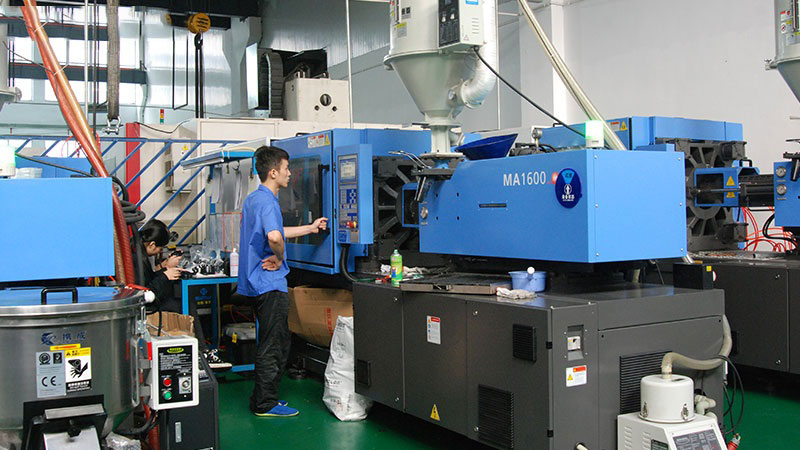
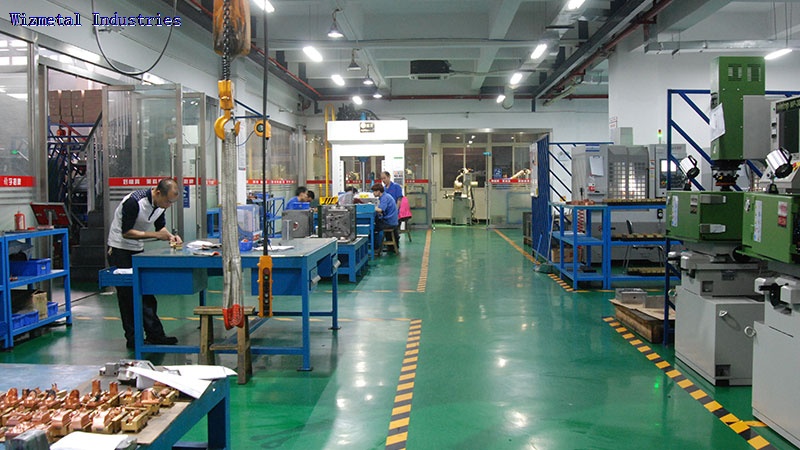
The foundation of a successful procurement journey is thorough supplier verification. Moving beyond simple Alibaba listings is non-negotiable. Begin by defining your project’s precise specifications: material, cavitation, lifetime expectations, and tolerance requirements. This clarity becomes your benchmark for evaluation. Seek out specialized China mold factories with demonstrable experience in your industry vertical, whether automotive components, medical devices, or consumer electronics. Critical verification steps include reviewing a comprehensive portfolio of past work, insisting on virtual or recorded factory audits to assess machinery (such as CNC, EDM, and CMM equipment), and conducting in-depth technical interviews with their engineering team. In 2026, a supplier’s willingness to use collaborative project management tools and provide transparent, real-time progress updates is a key indicator of professionalism and a partner-ready mindset.
Once a qualified supplier is shortlisted, the focus must shift to designing and agreeing upon a meticulous quality control protocol before any contract is signed. Your quality plan should be a living document integrated into the purchase order. It must explicitly define critical checkpoints: First Article Inspection (FAI) with full CMM reports, pre-shipment sampling using production-grade materials, and strict adherence to internationally recognized standards like DME, HASCO, or your specific custom specifications. Demand full documentation at each stage, including material certificates for mold steel (e.g., P20, H13, S136), heat treatment reports, and detailed inspection data. For high-precision or complex molds, consider engaging a trusted third-party quality inspection service within China for an unbiased assessment during the T1 sample stage. This proactive investment mitigates the far greater cost and delay of discovering flaws after the mold has shipped.
Effective communication and project management are the engines that drive a mold project to successful completion. The complexity of an injection mold build requires seamless, technical dialogue. Establish a single point of contact on both sides who possesses strong technical English skills. Utilize visual aids extensively: 3D models (STEP, IGES), annotated 2D drawings, and even marked-up photos can bridge language gaps. Implement a structured milestone schedule with formal approvals required at each phase—initial design review, mold flow analysis, core/cavity machining, assembly, and trial run. The most reliable China mold factories in 2026 will offer regular progress updates through photos, videos, and shared checklists. Clarify all commercial terms upfront, including payment terms (avoid 100% upfront), intellectual property protection clauses, and warranty provisions covering workmanship and lifespan.
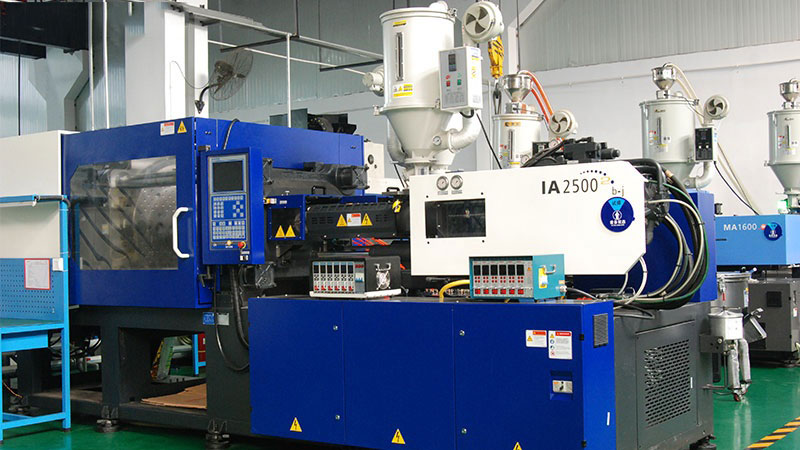
The final and most critical phase is the mold trial and approval process. Never authorize shipment without a satisfactory Trial Run Report. This report should document trials conducted on a machine comparable to your production press. It must include data on key parameters: injection pressure, cycle time, cooling time, and barrel temperatures. The produced samples must be rigorously measured against your master sample or CAD data. Evaluate not just dimensions, but also cosmetic appearance, gate vestige, ejection marks, and any sink marks or warpage. A professional supplier will provide a detailed DFM (Design for Manufacturability) report if minor adjustments are needed. The goal is to achieve a stable, repeatable process that yields consistent parts before the mold leaves the factory. Securing all final documentation, including the 3D mold design files, maintenance manual, and spare parts list, is essential for long-term operational success.
Procuring an injection mold from China in 2026 demands a blend of traditional due diligence and modern collaborative practices. The dichotomy between cost and quality is a false one; the true objective is to find a China mold factory that delivers value through engineering expertise, transparent processes, and a commitment to shared success. By implementing a disciplined approach to supplier verification, embedding quality control into the contract, managing communication with precision, and refusing to compromise on the trial process, overseas buyers can transform their procurement from a risky venture into a strategic advantage. The optimal injection mold is not merely a tool; it is the foundation of your product’s quality, cost-efficiency, and time-to-market for years to come.
Work With Us
As a professional China mold manufacturer, we provide one-stop mold solution for overseas buyers.
📞 Phone: +86-18605944639
💬 WhatsApp: +8618605944639
🌐 Website: bestmoldworks.com
📧 Email: [email protected]