Category: Custom molds for resin

  • injection molding: Ultimate Guide for Buyers 2026 | China Mold Factory

    For overseas buyers, sourcing injection molds from China represents a significant strategic advantage, offering unparalleled cost efficiency and manufacturing scalability. However, navigating this complex landscape requires more than just finding the lowest quote. The true challenge lies in securing a high-quality injection mold that delivers consistent performance, minimizes production downtime, and ensures your final product meets exact specifications. This guide is designed to cut through the noise, providing a professional, actionable framework for your procurement journey in 2026 and beyond. We will focus on practical steps to mitigate risk, verify capabilities, and build a successful partnership with a competent China mold factory.

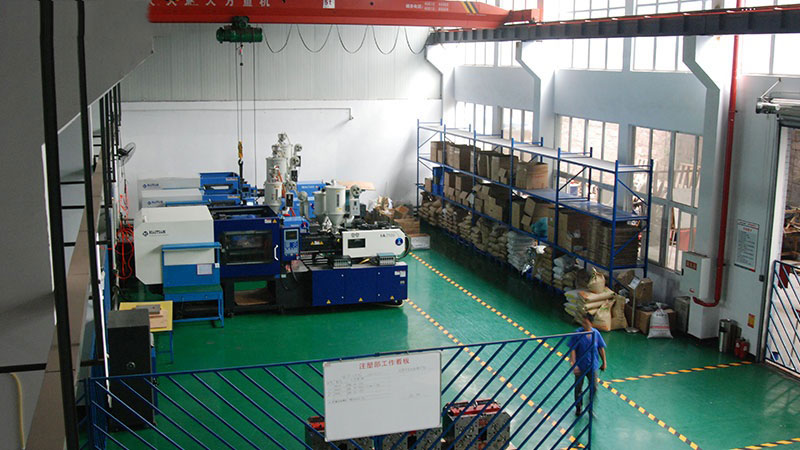
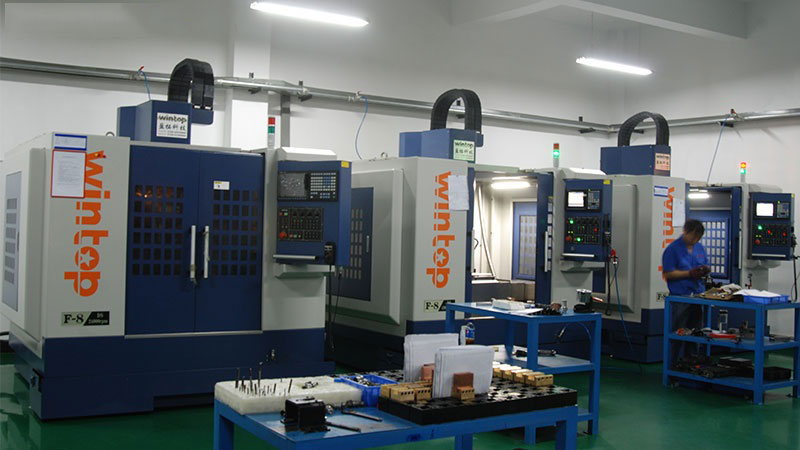
    The foundation of a successful import project is rigorous supplier verification. Not all mold manufacturers are created equal, and the initial screening process is critical. Begin by moving beyond Alibaba listings. Utilize industry-specific B2B platforms like Global Sources or Made-in-China, which often feature more established factories. The most crucial step is to conduct a virtual or, ideally, an in-person audit. Request a detailed company profile, ask for a video tour of their facility, and scrutinize their machinery—look for modern CNC, EDM, and high-speed milling equipment. Insist on speaking directly with their project engineering team, not just a sales representative. Verify their export experience by asking for references from clients in your region and check for relevant industry certifications, such as IATF 16949 for automotive or ISO 13485 for medical devices. This due diligence transforms an anonymous supplier into a vetted potential partner.

    Once a shortlist of potential partners is established, the focus must shift to precision in technical communication and design for manufacturability (DFM). This phase is where most costly errors are either prevented or cemented. Always start with a comprehensive Request for Quotation (RFQ) package. This should include not just 3D CAD files (STEP or IGS) and 2D drawings with critical dimensions and tolerances clearly marked, but also details on the intended resin material, expected annual volumes, cycle time targets, and cosmetic requirements. A reputable China mold factory will respond with a detailed DFM report. This report is a key indicator of their expertise; it should highlight potential issues like undercuts, wall thickness inconsistencies, gate locations, and ejection plans. Engage in a collaborative review of this DFM. Clarify every doubt and ensure both parties have a unified understanding of the mold specifications, steel grade (e.g., P20, H13, S136), cavity finish (SPI/VDI standards), and cooling line design before any steel is cut.

    The procurement process does not end with the order placement; proactive quality control is non-negotiable. Implement a staged inspection protocol tied to milestone payments. The first critical stage is the First Article Inspection (FAI) after the mold trial. Do not accept simple photos or a few sample parts. Require a full dimensional inspection report (CMM data) of trial shots, along with video of the mold running in the press, showing cycle time and ejection. Many buyers engage a third-party inspection company in China for an impartial Pre-Shipment Inspection (PSI) to verify the mold’s workmanship, completeness of components, and final testing. Furthermore, discuss and agree upon a clear protocol for mold maintenance and warranty. A professional supplier will offer a standard warranty period (e.g., 1-2 years or a specified number of cycles) covering workmanship and material defects. Understand their policy on repair or replacement and the process for handling issues that arise after the mold is shipped to your production facility.

    Building a sustainable partnership requires managing logistics, intellectual property, and long-term collaboration. For logistics, decide early on shipping terms (FOB, EXW, CIF) and ensure the mold is properly crated for ocean freight. Insurance is essential. Regarding Intellectual Property (IP), a robust NNN Agreement (Non-Use, Non-Disclosure, Non-Circumvention) tailored under Chinese law is far more effective than a standard Western NDA. Have it signed before disclosing detailed designs. Finally, view your chosen injection mold supplier as a strategic extension of your manufacturing. A successful initial project can lead to optimized designs for future parts, cost reductions on subsequent molds, and reliable support for maintenance and spare parts. Consistent communication and treating the relationship as a partnership, rather than a transactional vendor relationship, yield the highest long-term value and supply chain stability.

    In conclusion, importing injection molds from China in 2026 demands a disciplined, informed approach centered on verification, communication, and control. By meticulously vetting your China mold factory, collaborating deeply on the DFM process, enforcing stringent quality control checkpoints, and formalizing the partnership with clear agreements, you transform the inherent risks into a formidable competitive edge. The goal is not merely to purchase a tool, but to secure a cornerstone of your product’s manufacturing success. Embrace this process as a strategic investment, and your partnership with a skilled Chinese manufacturer will deliver exceptional quality, reliability, and value for years to come.

    Work With Us

    As a professional China mold manufacturer, we provide one-stop mold solution for overseas buyers.
    📞 Phone: +86-18605944639
    💬 WhatsApp: +8618605944639
    🌐 Website: bestmoldworks.com
    📧 Email: [email protected]
  • custom silicone mold manufacturer near me: Complete Pr 2026

    For overseas buyers and product developers, the search for a reliable “custom silicone mold manufacturer near me” often leads to a pivotal realization: the most viable, cost-effective, and specialized partners are frequently located not locally, but in China. The global manufacturing hub offers unparalleled expertise in mold making, particularly for silicone, which is essential for producing everything from culinary tools and medical components to consumer electronics and promotional items. However, navigating this overseas procurement landscape presents distinct challenges. This guide is designed to cut through the complexity, offering a structured, actionable 2026 roadmap for successfully importing high-quality custom silicone molds from China, transforming a distant supplier into your trusted extension.

    The initial phase of your procurement journey must move beyond simple online searches. While typing “custom silicone mold manufacturer near me” into a search engine is a natural starting point, its true value for an international buyer lies in refining that intent toward Chinese industrial platforms. Redirect your focus to authoritative B2B portals like Alibaba.com, Made-in-China.com, and Global Sources. Here, use specific keywords such as “China mold factory silicone,” “custom silicone mold,” and “silicone injection mold” to generate a targeted list of potential suppliers. Crucially, this step is about aggregation, not selection. Your goal is to create a broad longlist of companies that state capabilities in silicone mold manufacturing, which you will then systematically vet.

    Supplier verification is the non-negotiable cornerstone of successful importation. A professional website and polished product images are merely the entry ticket. In 2026, due diligence requires a multi-layered approach. First, insist on a video conference to tour the factory floor virtually. A reputable China mold factory will readily showcase its CNC machines, liquid silicone rubber (LSR) injection molding machines, and quality control lab. Second, demand client references, specifically from overseas clients in your region or industry. Contact these references to inquire about communication reliability, problem-solving, and post-sales support. Third, verify business licenses and export credentials. Finally, consider commissioning a third-party inspection service for an initial audit if your order volume justifies the investment. This rigorous verification process separates marketing from manufacturing capability.

    Defining specifications and managing quality control with precision is where technical collaboration begins. Silicone mold manufacturing is highly technical; ambiguity leads to cost overruns and unusable products. Provide your potential partner with exhaustive documentation: detailed 3D drawings (STEP or IGS files), material specifications (FDA, medical-grade, hardness in Shore A, color requirements), expected production volume, and tolerance levels. A proficient supplier will engage engineering-to-engineering (E2E) dialogue, potentially suggesting design for manufacturability (DFM) adjustments to optimize your mold for longevity and production efficiency. Before full production, insist on the creation of a T1 sample mold and subsequent product samples for evaluation. Your quality control protocol should mandate pre-shipment inspections that check for flash, dimensional accuracy, consistency in texture, and correct material certification. Clear, documented standards agreed upon upfront prevent disputes later.

    Navigating the logistics, communication, and cost structure requires a strategic mindset. Understand that “FOB Shanghai” means your responsibility and costs begin once the mold is loaded on the ship. Secure a reliable freight forwarder experienced in handling industrial molds, which may require crating for protection. Cultivate clear, documented communication; use tools like shared spreadsheets and marked-up PDFs for feedback. Regarding cost, the lowest quotation is often the highest risk. Seek transparent, breakdown quotes that itemize mold tooling costs (a one-time fee) versus per-unit part costs. Discuss payment terms strategically; a secure escrow service or a phased payment plan (e.g., 30% deposit, 40% after sample approval, 30% before shipment) aligns interests and mitigates risk for both parties.

    Building a sustainable partnership for the long term is the ultimate goal of this procurement exercise. View your chosen custom silicone mold manufacturer not as a one-time vendor but as a strategic asset. Consistent orders foster reliability and priority treatment. Provide constructive feedback and be reasonable with requests. As trust builds, you can explore expanding the relationship into other materials or more complex multi-cavity injection mold projects. A true partner will proactively inform you of material price shifts, suggest efficiency improvements, and stand behind their work with clear warranty terms on the mold tooling itself. This transition from a transactional importer to a valued international client is the hallmark of a mastered procurement process.

    In conclusion, the quest for a “custom silicone mold manufacturer near me” is, for the savvy overseas buyer, effectively a quest to expertly bridge the geographical and cultural gap to China’s specialized manufacturing sector. By methodically leveraging global B2B platforms, implementing rigorous supplier verification, mastering specification and quality control protocols, and strategically managing logistics and cost, you can secure a competitive advantage that a local supplier rarely matches. The complete procurement journey outlined here for 2026 is designed to transform the perceived complexity of importing molds into a structured, manageable, and highly rewarding business strategy, culminating in a reliable supply chain partnership that fuels your product innovation and market success for years to come.

    Work With Us

    As a professional China mold manufacturer, we provide one-stop mold solution for overseas buyers.
    📞 Phone: +86-18605944639
    💬 WhatsApp: +8618605944639
    🌐 Website: bestmoldworks.com
    📧 Email: [email protected]
  • custom injection molding machine: Complete Procurement 2026

    For overseas buyers, procuring a custom injection molding machine from China represents a significant strategic investment to enhance manufacturing capability, reduce per-part costs, and gain production autonomy. However, the journey from specification to successful installation is fraught with complexities that extend far beyond a simple purchase order. As we look toward 2026, the landscape is defined by advanced automation, data integration, and a sharper focus on total cost of ownership. This guide is designed to navigate that landscape, providing a professional, actionable framework for overseas procurement. We will move past generic advice to solve the real problems you face in supplier verification, technical alignment, and quality assurance, ensuring your investment in a custom injection molding machine delivers long-term value.

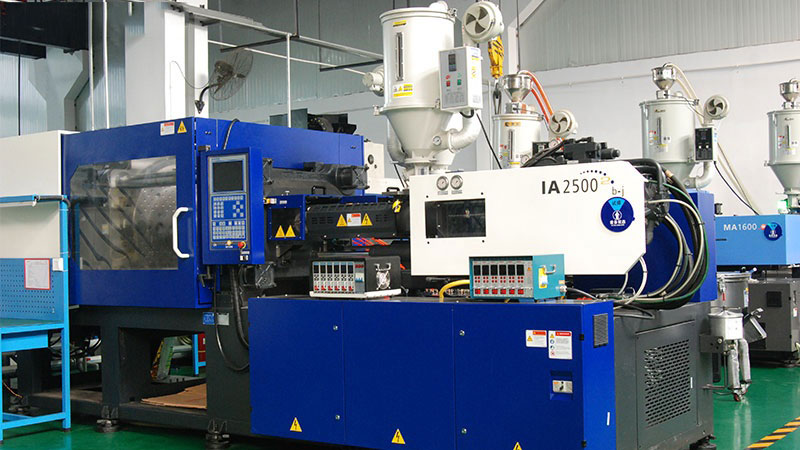
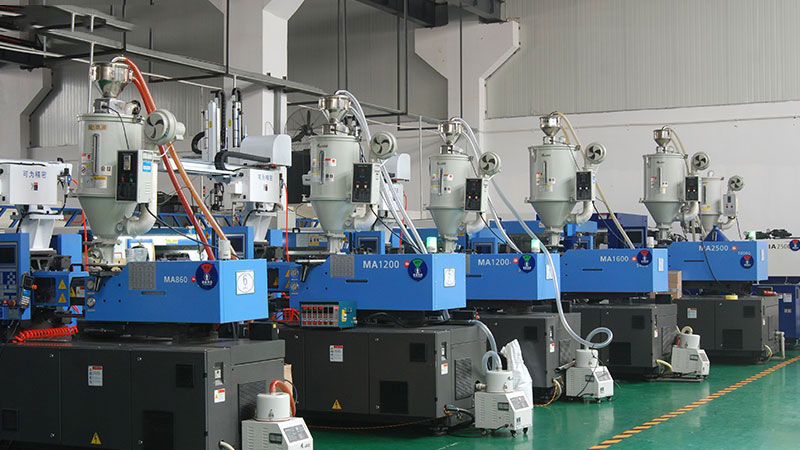
    The cornerstone of a successful procurement is selecting the right China mold factory as your partner. This step is critical, as the machine supplier often becomes integrally linked to your mold suppliers and overall process stability. Begin with a multi-faceted verification process. Official business licenses and export records are basic prerequisites. In 2026, due diligence must delve deeper. Request detailed case studies of machines running molds similar to your intended applications—particularly focusing on material types, shot weights, and precision requirements. Utilize video conferencing to conduct virtual factory tours, paying close attention to their assembly area, testing procedures, and cleanliness. Crucially, verify their control system expertise. Are they proficient with the interfaces you require, such as EUROMAP or OPC UA for future smart factory integration? A reliable partner for your custom injection molding machine will transparently share this information and demonstrate a history of successful projects for international clients.

    Technical specification is the stage where ambiguity creates costly future problems. Your procurement document must be an exhaustive blueprint. Beyond standard parameters like clamp force, shot volume, and screw diameter, define the required repeatability, energy efficiency standards, and compatibility with your auxiliary equipment. Specify the exact make and model of the control system, and insist on standardized programming interfaces to avoid proprietary lock-in. Discuss platen design, tie-bar spacing, and ejection patterns to ensure compatibility with your existing and future injection mold bases. A key problem solved here is the “application gap.” Clearly communicate the specific polymers you will process, including any abrasive, corrosive, or high-temperature materials, as this dictates screw and barrel material specifications. Require a detailed factory acceptance test protocol that you or a third-party inspector can witness, simulating actual production cycles to verify performance metrics before shipment.

    No machine operates in isolation; its performance is inextricably linked to the injection mold it services. Therefore, your procurement strategy must foster collaboration between your machine supplier and your chosen mold manufacturer. A proficient China mold factory will understand the dynamic interaction between mold design and machine kinematics. Facilitate early communication between both parties to discuss critical factors such as injection profiles, cooling channel layouts, and ejection sequences. This collaboration prevents scenarios where a perfectly good mold underperforms due to machine incompatibility or where machine capabilities are underutilized by a suboptimal mold design. In your procurement terms, consider mandating a joint review session. This proactive approach solves the common problem of deferred blame between mold and machine suppliers, ensuring a systems-based solution where both components are optimized for your specific production goals.

    Implementing rigorous quality control throughout the manufacturing and commissioning process is non-negotiable. Your involvement should not begin at delivery. Establish milestone inspections at the machine builder’s facility. The first inspection should verify the quality of major components like the frame, injection unit, and hydraulic system upon assembly. A second, more critical inspection is the pre-shipment Factory Acceptance Test. This is where you verify all functional specifications: cycle times, energy consumption, safety interlocks, and control system responsiveness. Engage a reputable local third-party inspection agency familiar with heavy industrial equipment to act as your eyes and ears. Upon arrival, a detailed commissioning protocol led by qualified engineers—either from the supplier or your team—is essential. This final verification ensures the machine is installed correctly, calibrated for your utilities, and ready for production validation with your actual molds and material.

    The final, often overlooked, component of your 2026 procurement plan is securing comprehensive after-sales support and training. The real cost of a machine includes its uptime over a decade. Negotiate a clear service level agreement detailing response times for technical support, availability of spare parts, and terms for on-site service visits. Verify that the supplier has certified engineers in your region or a proven track record of timely international dispatch. Equally important is operational training. Ensure the supplier provides thorough, hands-on training in both the operation and basic maintenance of the equipment for your technicians. This empowers your team to perform routine upkeep and troubleshoot minor issues, dramatically reducing downtime. In the era of Industry 4.0, also inquire about remote diagnostics capabilities, which allow suppliers to securely connect to your machine to identify and often resolve issues before they halt production.

    Procuring a custom injection molding machine from China in 2026 is a strategic endeavor that demands a holistic, detail-oriented approach. It transcends a simple equipment purchase, evolving into the establishment of a long-term technical partnership. By executing thorough supplier verification, crafting unambiguous technical specifications, fostering mold-machine synergy, enforcing staged quality control, and securing robust after-sales support, you transform procurement risk into a competitive manufacturing advantage. This complete procurement strategy ensures your investment is not merely a capital expense but a foundational pillar for reliable, efficient, and adaptable production capacity for years to come. The goal is clear: to acquire not just a machine, but a seamlessly integrated, high-performance manufacturing asset.

    Work With Us

    As a professional China mold manufacturer, we provide one-stop mold solution for overseas buyers.
    📞 Phone: +86-18605944639
    💬 WhatsApp: +8618605944639
    🌐 Website: bestmoldworks.com
    📧 Email: [email protected]
  • custom injection molders canada: Best Suppliers & Qua 2026

    For Canadian businesses, from ambitious startups to established OEMs, sourcing custom injection molds is a pivotal strategic decision. While local custom injection molders in Canada offer proximity and ease of communication, a significant portion of the global tooling market is anchored in China, presenting compelling opportunities for cost efficiency and scalable production. However, navigating the overseas procurement landscape requires a methodical approach to transform potential savings into tangible, high-quality results. This guide is designed for the discerning Canadian buyer, providing actionable strategies to identify, vet, and partner with the best Chinese mold factories in 2026, ensuring your injection mold project meets stringent quality and timeline expectations.

    The foundation of successful import begins with precise supplier identification and rigorous verification. A simple online search yields thousands of China mold factory options, making discernment critical. Move beyond generic B2B platforms by seeking manufacturers with demonstrable expertise in your specific industry, whether automotive components, medical devices, consumer electronics, or packaging. A credible supplier will have a detailed portfolio showcasing previous mold designs and final parts. The verification process must be multi-layered. Initiate video calls to tour their facility virtually, paying close attention to their machinery, such as CNC, EDM, and mold testing presses. Request and contact at least three past international clients, specifically those in North America, to inquire about their experience with communication, problem-solving, and post-sales support. This due diligence phase is non-negotiable and separates reputable partners from mere trading companies.

    Once a potential partner is shortlisted, mastering the technical and commercial communication phase becomes paramount. The goal is to achieve absolute clarity to prevent costly misunderstandings. Your Request for Quotation (RFQ) must be exceptionally detailed. Beyond part drawings, include material specifications (brand and grade of plastic intended for production), expected annual volumes, cosmetic requirements (e.g., SPI finish standards), and critical tolerances. Clearly state your expectations for mold design review stages, sample approval process, and delivery terms like FOB. During negotiations, focus on total cost of ownership, not just the initial mold price. Discuss maintenance, warranty terms for workmanship and lifespan, and the cost and timeline for future mold modifications. Proactive and detailed communication at this stage sets a professional tone and ensures the Chinese manufacturer fully understands the standards required by the North American market.

    For Canadian importers, implementing a robust quality control framework is the single most important factor in securing a successful outcome. Do not assume quality; inspect and verify at multiple checkpoints. The industry standard is a three-stage inspection protocol. First, conduct a Design for Manufacturability (DFM) review to catch potential issues before steel is cut. Second, schedule a Tooling Trial Inspection when the first samples are produced from the mold. This is often done via live video stream where you can witness the trial, approve samples, and request adjustments. Third, a Pre-Shipment Inspection (PSI) is essential to verify the final mold’s dimensions, materials, and functionality against the agreed specifications. For high-value or complex tools, employing a local third-party quality control agency in China to conduct these inspections provides an unbiased assessment. This layered QC approach mitigates risk and ensures the injection mold arriving in Canada is production-ready.

    The final logistical and partnership considerations solidify a sustainable supply chain. Understand all Incoterms and ensure you have a reliable freight forwarder experienced in handling heavy machinery and mold shipments to Canada. Proper packaging and crating are crucial to prevent transit damage. Furthermore, view your chosen China mold factory not as a one-time vendor but as a strategic extension of your manufacturing capability. Establish clear protocols for documentation, including 2D and 3D mold drawings, material certificates, and maintenance manuals. Discuss their capacity for ongoing technical support and how they handle wear-and-tear part replacement. Building this collaborative relationship ensures they are invested in the long-term performance of your tooling, providing a competitive advantage for your business.

    In conclusion, while the landscape of overseas procurement presents challenges, the rewards of partnering with a top-tier Chinese mold manufacturer are substantial for custom injection molders in Canada and the businesses they supply. The pathway to success in 2026 is defined not by finding the cheapest supplier, but by executing a disciplined process of verification, precise communication, and uncompromising quality control. By treating your mold procurement as a critical capital investment and applying the structured strategies outlined above, you can confidently bridge the geographic divide. This approach unlocks world-class tooling capabilities, driving cost-effectiveness and innovation for your Canadian operations, and ensuring your partnership yields precision, reliability, and value for years to come.

    Work With Us

    As a professional China mold manufacturer, we provide one-stop mold solution for overseas buyers.
    📞 Phone: +86-18605944639
    💬 WhatsApp: +8618605944639
    🌐 Website: bestmoldworks.com
    📧 Email: [email protected]
  • custom molded products: Professional Buying Guide 2026

    For overseas buyers, the decision to import custom molded products from China represents a significant strategic advantage. The combination of advanced manufacturing capabilities, cost efficiency, and scalable production is compelling. However, the path from concept to receiving high-quality, consistent parts is fraught with potential complexities. This 2026 guide is designed to cut through the noise and provide a professional, actionable framework for your procurement journey. We will move beyond basic directories and address the real challenges of supplier verification, technical alignment, and quality assurance, ensuring your project’s success in the current manufacturing landscape.

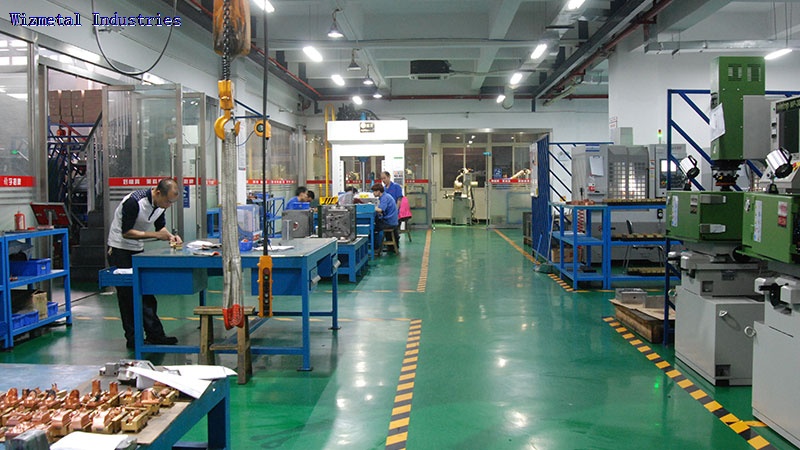
    The foundational step, and arguably the most critical, is rigorous supplier verification. The term “China mold factory” encompasses a vast spectrum, from highly automated, vertically integrated operations to smaller workshops with limited capabilities. In 2026, due diligence must be digital and deep. Begin with a multi-platform review, analyzing presence on B2B sites, but prioritize their independent website and technical documentation. Request and verify business licenses. Crucially, move directly to video conferencing for a virtual factory tour; a reputable supplier will readily showcase their shop floor, machinery brands, and quality control stations. Investigate their specific experience with materials and product categories similar to yours. This phase is not about finding the cheapest bidder, but identifying a partner with the proven technical foundation to execute your specific project for custom molded products reliably.

    Once a shortlist of potential partners is established, the focus shifts to precise technical communication and the injection mold itself. Ambiguity here is the root cause of most project failures. Provide not just a 3D file, but a comprehensive product specification document. This should include material grade requirements, critical dimensions and tolerances, surface finish specifications, and intended part function. Discuss the injection mold design openly. A professional factory will offer Design for Manufacturability feedback to simplify the mold, reduce costs, and enhance part quality. Understand their standard for mold flow analysis, a critical simulation that predicts filling and cooling behavior to prevent defects. Clarify all aspects of the mold ownership, maintenance, and warranty. This technical dialogue separates order-takers from true engineering partners.

    Procurement strategy in 2026 requires a nuanced approach to balancing cost, risk, and timeline. The traditional request for quotation should be structured to compare apples to apples. Break down costs for the injection mold tooling and the per-unit piece price separately. Be wary of quotes that seem abnormally low, as this often signals corner-cutting on steel quality, mold longevity, or process controls. For new projects, consider a phased pilot order: produce a small batch from the first-off tool to validate part quality and performance before committing to full-scale production. This step, while adding time initially, mitigates significant financial risk. Furthermore, clearly define payment terms that are staged upon milestones, such as 30% upon order, 40% after mold trial sample approval, and 30% before shipment. This aligns incentives and protects both parties.

    Effective quality control cannot be an afterthought; it must be integrated into the agreement from the outset. Your chosen China mold factory should have a transparent QC protocol, often involving in-process checks and a final inspection before shipment. However, independent verification is paramount. Specify your required AQL levels for critical, major, and minor defects. For initial production runs, hiring a third-party inspection company to conduct an on-site Pre-Shipment Inspection is a highly recommended investment. They will check dimensions, appearance, function, and packaging against your approved sample, providing an unbiased report. For complex parts, consider requiring a First Article Inspection report with full dimensional results. By building these checkpoints into your timeline and budget, you ensure that quality is monitored objectively, preventing costly surprises upon container arrival.

    Logistics and post-production support are the final pillars of a professional import strategy. Work with your supplier to ensure proper packaging that protects the custom molded products from shock, moisture, and electrostatic discharge during transit. Understand the Incoterms agreed upon; FOB is common, but clarify responsibilities clearly. Ensure all necessary documentation, including commercial invoice, packing list, and certificate of origin, is accurate and professionally prepared. Finally, discuss post-sales support. What is the process for addressing a quality issue found after delivery? How is mold storage and maintenance handled for future production runs? Establishing these protocols upfront fosters a long-term, reliable partnership.

    Successfully importing custom molded products from China in 2026 demands a methodical, informed approach that prioritizes partnership over simple transaction. The landscape is sophisticated, and so must be your buying strategy. By implementing rigorous supplier verification, mastering technical communication, structuring smart procurement, enforcing robust quality control, and planning for logistics, you transform a complex overseas venture into a streamlined and competitive advantage. The goal is to build a relationship with a China mold factory that acts as a true extension of your own production capabilities, delivering consistent quality and value for years to come. Let this guide be your blueprint for confident and successful sourcing.

    Work With Us

    As a professional China mold manufacturer, we provide one-stop mold solution for overseas buyers.
    📞 Phone: +86-18605944639
    💬 WhatsApp: +8618605944639
    🌐 Website: bestmoldworks.com
    📧 Email: [email protected]

  • silicone mold making factory: Complete Procurement Gu 2026

    For overseas businesses, from boutique artisans to industrial manufacturers, sourcing custom silicone molds represents a significant opportunity to enhance product lines and control costs. China remains the global epicenter for mold manufacturing, offering unparalleled expertise, scalability, and competitive pricing. However, navigating this complex market requires a strategic approach to mitigate risks and ensure a successful partnership. This 2026 procurement guide is designed to provide overseas buyers with a clear, actionable framework for identifying, vetting, and collaborating with a top-tier silicone mold making factory in China.

    Understanding the Silicone Mold Manufacturing Landscape

    Before initiating contact with potential suppliers, it is crucial to distinguish between a general China mold factory and a specialist in silicone tooling. While many facilities offer a broad range, silicone mold production demands specific knowledge of material science (e.g., food-grade, high-temperature, platinum-cure vs. tin-cure silicones), mastering de-aeration techniques, and achieving precise Shore hardness. A factory proficient in injection mold for plastics may not possess the nuanced expertise for high-quality silicone molds. Begin your search by targeting suppliers whose portfolios demonstrably feature silicone molds similar in complexity and application (culinary, resin casting, concrete, industrial prototyping) to your project. This focused approach immediately filters out unsuitable partners and aligns you with specialists.

    Conducting Rigorous Supplier Verification and Due Diligence

    The cornerstone of successful procurement is thorough supplier verification. In 2026, this extends beyond a basic website check. First, verify business licenses and export credentials through official Chinese platforms. Next, request and scrutinize detailed case studies, asking for videos of the mold-making process or pressure pot testing. Insist on a live video conference factory tour; a reputable silicone mold making factory will readily showcase its workshop, R&D department, and quality control stations. During the tour, ask pointed questions about their standard operating procedures for mold design review, material sourcing, and post-production testing. Furthermore, check for international compliance certifications relevant to your industry, such as FDA, LFGB for food-contact, or RoHS. Obtaining and contacting references from past overseas clients is non-negotiable for gauging reliability and communication efficacy.

    Mastering Communication and Technical Documentation

    Clear, unambiguous communication is your most powerful tool against costly errors. Develop a comprehensive technical data package to request quotations. This should include: detailed 2D drawings or 3D CAD files (STEP/IGES) with all critical dimensions and tolerances clearly marked; specifications for the silicone material (type, Shore A hardness, color, certification needs); descriptions of the intended casting material (resin, concrete, soap); and expected production volume from the mold. When discussing your project, be explicit about every detail, from the placement of vents and sprues to the desired surface finish (matte, glossy, textured). Confirm the factory’s design for manufacturability (DFM) process—a professional partner will provide feedback on your design to enhance mold longevity and part quality. Establishing a single, technically proficient point of contact on both sides streamlines this phase.

    Implementing Proactive Quality Control and Sampling

    Never finalize a full order without a physical sample. The sampling stage is a critical investment. A reliable China mold factory will follow a structured prototyping process: first providing a 3D printed or soft prototype of the mold cavity for initial approval, followed by a first article inspection sample cast from the finished silicone mold. You must have a defined quality control checklist for this sample, evaluating dimensional accuracy, surface finish, functionality, and ease of de-molding. Consider engaging a third-party quality inspection service located near the factory for pre-shipment inspections, especially for larger orders. They can verify the mold’s construction, material certification, and performance before it leaves the factory floor. Clearly define acceptable quality limits (AQL) for any multi-cavity or production mold sets in your purchase contract.

    Navigating Logistics, IP Protection, and After-Sales Support

    Finalizing the procurement involves safeguarding your interests. Ensure your contract includes clear terms for intellectual property (IP) protection, stating that all molds, designs, and associated tooling are your exclusive property. Discuss and agree on packaging standards to prevent damage during ocean freight. Understand the incoterms (e.g., FOB, EXW, CIF) to clarify responsibilities and costs for shipping and insurance. Finally, probe the supplier’s after-sales support policy. A trustworthy partner will offer a warranty period on the mold against manufacturing defects and provide guidance on proper mold care and maintenance to extend its lifespan. Establishing a protocol for handling potential future issues or modifications is a sign of a long-term oriented partnership.

    Conclusion

    Procuring high-performance silicone molds from China in 2026 is a process built on research, clear communication, and systematic verification. By specializing your search, conducting immersive due diligence, preparing impeccable technical documents, enforcing rigorous quality checks, and formalizing protective agreements, you transform a complex international transaction into a streamlined and rewarding partnership. The goal is to move beyond a simple vendor relationship to collaborate with a skilled silicone mold making factory that acts as an extension of your own production capabilities. With this comprehensive guide as your roadmap, you are equipped to make informed decisions, mitigate inherent risks, and secure the high-quality tooling necessary to bring your innovative products to market efficiently and competitively.

    Work With Us

    As a professional China mold manufacturer, we provide one-stop mold solution for overseas buyers.
    📞 Phone: +86-18605944639
    💬 WhatsApp: +8618605944639
    🌐 Website: bestmoldworks.com
    📧 Email: [email protected]

  • plastic injection mold factory China: Best Suppliers & 2026

    For overseas buyers, sourcing a plastic injection mold factory in China represents a significant opportunity for cost efficiency and manufacturing scalability. However, the path to a successful partnership is often paved with challenges: verifying supplier credibility, ensuring robust quality control, and navigating cultural and logistical complexities. This guide is designed to cut through the noise and provide a clear, actionable framework for identifying and collaborating with the best Chinese mold suppliers as we look toward 2026 and beyond. Our focus is on practical steps that mitigate risk and secure value.

    The cornerstone of a successful import project is rigorous supplier verification. Moving beyond a simple Alibaba storefront is non-negotiable. Begin by shortlisting potential suppliers and then conduct a multi-layered audit. First, verify official business licenses and export credentials. Second, request and scrutinize a detailed company profile that outlines their years in operation, typical clientele, and machine park—look for modern CNC, EDM, and CMM equipment. Third, insist on a virtual or, ideally, in-person factory tour. A reputable China mold factory will readily arrange this, allowing you to assess workshop organization, technician skill, and quality assurance processes firsthand. This step alone filters out trading companies masquerading as manufacturers and identifies truly capable partners.

    Once a potential partner is identified, the focus shifts to precision in the quotation and design phase. A professional plastic injection mold factory in China will not provide a firm quote from a simple sketch. They require a complete 3D product design (e.g., STEP, IGES file) and a detailed specification sheet. This should include material (e.g., ABS, PP, POM), expected annual volumes, cavity number, mold steel type (such as S136, NAK80, or P20), surface finish requirements, and tolerance standards. Analyze the quotation breakdown meticulously. Be wary of prices that seem too good to be true; they often indicate corner-cutting on steel quality, component standards, or engineering expertise. A transparent quote itemizes costs for design, materials, machining, testing, and post-processing.

    Proactive and structured quality control is the single most critical factor in preventing costly failures. Do not assume quality; build it into the process contractually. Define clear Quality Control (QC) checkpoints with your supplier. Key stages include the First Article Inspection (FAI) after the T1 sample mold trial, where dimensions are validated against the CAD data using a Coordinate Measuring Machine (CMM) report. Additionally, mandate a pre-shipment inspection where the final production samples from the approved mold are checked for consistency. For high-value or high-volume projects, engaging a trusted third-party QC agency in China for these inspections is a wise investment. They provide an unbiased assessment of the mold’s performance and the resulting part quality before shipment, giving you leverage and peace of mind.

    Effective communication and a clear legal framework are what transform a transactional purchase into a strategic partnership. Establish direct lines of communication with both a project manager and the lead engineer. Use clear, visual communication—marked-up drawings, screenshots, and video calls during sample reviews. Furthermore, a comprehensive contract is essential. It should cover intellectual property (IP) ownership, guaranteeing that your design and mold belong solely to you. Include payment terms tied to project milestones (e.g., 30% deposit, 40% after T1 sample approval, 30% before shipment), detailed specifications as an annex, warranty clauses for mold workmanship and durability, and protocols for handling defects or delays. This document aligns expectations and protects both parties.

    Looking ahead to 2026, the leading plastic injection mold factories in China are increasingly differentiating themselves through advanced engineering and sustainable practices. When evaluating suppliers, inquire about their capabilities in simulation software (like Moldflow) for predicting filling and cooling to prevent defects, and their experience with Industry 4.0 integrations for mold monitoring. Furthermore, sustainability is becoming a key procurement driver for overseas brands. Ask potential partners about their energy-efficient machinery, steel recycling programs, and any certifications related to environmental management. A supplier investing in these areas is likely forward-thinking and aligned with the future demands of the global market.

    In conclusion, importing an injection mold from China is a highly viable strategy that demands a disciplined, informed approach. The journey from supplier verification to final quality assurance requires diligence at every stage. By treating your chosen China mold factory as a strategic partner rather than just a vendor, and by embedding rigorous checks and clear communication into the process, you significantly de-risk your procurement. As the industry evolves toward smarter and more sustainable manufacturing, aligning with suppliers who demonstrate these competencies will position your business for success not just in 2026, but for the long term. The goal is not merely to find a supplier, but to build a reliable extension of your own production capability.

    Work With Us

    As a professional China mold manufacturer, we provide one-stop mold solution for overseas buyers.
    📞 Phone: +86-18605944639
    💬 WhatsApp: +8618605944639
    🌐 Website: bestmoldworks.com
    📧 Email: [email protected]

  • custom silicone mold manufacturer: Expert Tips & Soluti 2026

    Importing custom silicone molds from China remains a strategic move for businesses worldwide seeking cost-effective, high-quality tooling solutions. However, navigating the procurement landscape can be daunting. As we look toward 2026, the challenges of supplier verification, communication, and quality control persist, but the strategies to overcome them are evolving. This guide provides actionable, professional advice for overseas buyers to streamline their process and build successful partnerships with a reliable custom silicone mold manufacturer in China.

    The foundation of a successful import project is thorough supplier verification. Moving beyond a simple Alibaba search is crucial. Start by identifying a China mold factory with demonstrable expertise in silicone and Liquid Silicone Rubber (LSR) injection mold manufacturing, as the requirements differ significantly from standard plastic injection molds. Request detailed case studies and project portfolios that showcase their experience with parts similar to yours in size, complexity, and industry application, such as medical, automotive, or consumer goods. Verify business licenses and export credentials. Utilize third-party inspection services for an initial factory audit, assessing their workshop organization, machinery, and engineering team. A professional supplier will readily engage in a video call to tour their facility live, providing transparency and building immediate trust before any commitment is made.

    Once a potential partner is identified, mastering technical communication and prototyping is your next critical step. Silicone molding involves specific considerations like shrinkage rates, venting, curing times, and material grade selection. Provide exceptionally clear and comprehensive design files, ideally in STEP or IGES format, with all critical dimensions and tolerances explicitly called out. Clearly specify the silicone material grade you require, such as FDA-approved, medical-grade, or high-temperature resistant variants. Discuss prototyping options upfront; a competent custom silicone mold manufacturer will often propose a soft tool or a single-cavity prototype mold for functional testing before committing to full-scale production tooling. This phase is invaluable for validating design, material performance, and part functionality, preventing costly modifications to the final mold. Insist on a detailed Design for Manufacturability (DFM) report, which highlights potential production issues and suggests optimizations, demonstrating the factory’s technical proficiency.

    A clear and legally sound procurement agreement is your primary tool for managing expectations and mitigating risk. The quotation and contract phase must go beyond just price and delivery time. Ensure the quote itemizes all costs: mold design, mold base material, cavity and core steel grade, number of cavities, expected mold life, and a clear payment schedule tied to project milestones. The contract should explicitly define ownership of the mold design and the physical tooling. Crucially, include comprehensive quality control standards. Specify the inspection equipment to be used, the First Article Inspection report requirements, and the Acceptable Quality Level for production parts. Define the process for handling engineering changes and the costs associated with them. Having these terms documented protects both parties and ensures a professional framework for the entire project.

    Proactive quality control throughout the manufacturing process is non-negotiable. Do not adopt a “wait and see” approach until shipment. Implement staged inspections aligned with your payment milestones. Key inspection points include a pre-production check of the mold steel and a First Article Inspection (FAI) using samples from the initial trial run. For this, you can employ a local third-party quality control agency to conduct on-site inspections, measuring critical dimensions, checking for flash, verifying material certification, and assessing part consistency. For LSR injection molds, also request video evidence of the molding trials, showing cycle times and de-molding. This hands-on oversight allows you to catch deviations early, when corrections are most cost-effective, and ensures the final product aligns with your specifications before mass production begins.

    Building a strategic, long-term partnership with your chosen China mold factory offers significant advantages beyond a single transaction. A reliable supplier becomes an extension of your R&D and production team. They can provide valuable insights into material innovations, cost-saving design tweaks, and efficiency improvements for future projects. Foster this relationship through clear communication, timely payments, and fair negotiations. Consider visiting the factory in person when feasible; face-to-face meetings solidify trust and demonstrate your commitment to the partnership. As you collaborate on successive projects, the supplier gains a deeper understanding of your quality standards and business needs, leading to smoother operations, potential priority treatment, and collaborative problem-solving that can give you a competitive edge in your market.

    Successfully importing custom silicone molds from China in 2026 requires a methodical, informed approach that prioritizes verification, clear communication, and stringent quality control. By treating your supplier as a strategic partner rather than just a vendor, you unlock not only cost savings but also access to advanced manufacturing expertise. The journey from concept to finished mold demands diligence, but by implementing these expert tips and solutions, overseas buyers can confidently navigate the complexities of international procurement. The goal is to establish a transparent and professional supply chain that delivers consistent quality, driving innovation and growth for your business for years to come.

    Work With Us

    As a professional China mold manufacturer, we provide one-stop mold solution for overseas buyers.
    📞 Phone: +86-18605944639
    💬 WhatsApp: +8618605944639
    🌐 Website: bestmoldworks.com
    📧 Email: [email protected]

  • injection mold china manufacturers: Ultimate Guide for 2026

    For product developers, engineers, and procurement specialists worldwide, sourcing injection molds from China remains a strategic decision to balance quality, innovation, and cost-effectiveness. However, the landscape is evolving rapidly. As we look toward 2026, navigating the vast market of injection mold China manufacturers requires updated knowledge and a refined approach. This guide is designed to cut through the noise and provide you with a professional, actionable framework for successful procurement. We will move beyond basic directories and address the real challenges you face in supplier verification, communication, and quality assurance, ensuring your project launches with confidence.

    Mastering Supplier Verification and Selection

    The initial search will yield hundreds of potential partners, making verification the most critical first step. In 2026, due diligence goes beyond a simple website check. Start by scrutinizing their digital footprint: a professional website with detailed case studies, technical specifications, and client testimonials (preferably from overseas companies) is a minimum. Utilize third-party verification platforms like ImportYeti or Panjiva to confirm export history. Crucially, insist on a video tour of the China mold factory. A live walkthrough of their facility allows you to assess the machinery (look for modern CNC, EDM, and CMM equipment), workshop organization, and in-house capabilities. Verify their expertise in your specific industry—whether automotive, medical, consumer electronics, or packaging—as material science and tolerance requirements differ vastly. This step filters out trading companies and identifies genuine, capable injection mold manufacturers.

    Streamlining Technical Communication and RFQ Process

    Miscommunication is the primary source of delays and cost overruns. To mitigate this, your Request for Quotation (RFQ) package must be exceptionally clear. Include not just a 3D model (STEP or IGS format), but also a comprehensive 2D drawing with GD&T (Geometric Dimensioning and Tolerancing) standards, material specifications, expected annual volumes, and cosmetic requirements (e.g., SPI finish standards). Clearly state all critical dimensions. When discussing with potential suppliers, use visual aids—annotated screenshots, markups, and even short video explanations. Assign a single, technically proficient point of contact on your side to communicate with the supplier’s project engineer, not just a salesperson. This ensures technical nuances are accurately conveyed and understood, forming a solid foundation for the entire project with your chosen injection mold supplier.

    Implementing Proactive Quality Control and Assurance

    Relying solely on final inspection is a high-risk strategy. A professional procurement strategy in 2026 mandates a multi-stage quality control protocol. Define and agree upon a Quality Inspection Plan (QIP) before order confirmation. This plan should include at least three critical checkpoints: First Article Inspection (FAI) after mold trial, using pre-agreed dimensional reports (often a CMM report). Secondly, a Pre-Shipment Inspection (PSI) where sample parts from the production mold are checked against your master sample and drawings. For high-volume or critical applications, consider having a third-party quality control firm stationed in China to conduct these inspections. Discuss and document the mold maintenance and repair protocol upfront. Understanding how the China mold factory handles wear and tear, and what spare components they provide, is essential for long-term tooling life and consistent part quality.

    Navigating Logistics, IP Protection, and Payment Terms

    The commercial and legal framework protects your investment. Intellectual Property (IP) protection is a valid concern. Work with manufacturers who are willing to sign a Non-Disclosure Agreement (NDA) and a proprietary tooling agreement that clearly states you own the mold design and all associated intellectual property. For payment terms, the standard 50% deposit and 50% before shipment is common, but for established relationships, negotiating a 30-40% deposit with milestones (e.g., after design approval, after T1 sample approval) can improve cash flow. For logistics, clarify Incoterms 2020—typically FOB (Free On Board) is recommended, as it gives you control over the main shipping freight and insurance once the mold leaves the factory. Ensure the supplier provides a professional mold export crate, proper preservation, and all necessary documentation, including a detailed mold manual and test reports.

    Building a Partnership for Long-Term Success

    Viewing your supplier as a strategic partner rather than a one-time vendor yields significant long-term benefits. A reliable injection mold china manufacturer becomes an extension of your engineering team. They can provide valuable Design for Manufacturability (DFM) feedback early in the process, suggesting modifications that can reduce mold complexity, improve part quality, and lower per-part cost. As you plan for product iterations or new projects in 2026 and beyond, this established relationship streamlines development cycles. Consistent communication, fair dealings, and prompt payment build trust, which often translates into priority scheduling and more dedicated service during urgent projects or maintenance needs.

    Conclusion

    Successfully importing injection molds from China in 2026 demands a blend of rigorous process and strategic partnership. By implementing a disciplined approach to supplier verification, crystal-clear technical communication, proactive quality control, and robust commercial agreements, you significantly de-risk the procurement process. The goal is to transform the inherent complexity of overseas sourcing into a competitive advantage—gaining access to world-class manufacturing capabilities, cost efficiencies, and agile production support. By following this guide, you are equipped to identify and collaborate with top-tier injection mold China manufacturers, ensuring your product vision is realized with precision, reliability, and value.

    Work With Us

    As a professional China mold manufacturer, we provide one-stop mold solution for overseas buyers.
    📞 Phone: +86-18605944639
    💬 WhatsApp: +8618605944639
    🌐 Website: bestmoldworks.com
    📧 Email: [email protected]

  • injection mold manufacturers near me: Complete Procurem 2026

    For overseas buyers, the search for “injection mold manufacturers near me” often ends with a realization: the most competitive expertise, capacity, and value are not local, but concentrated across the globe in China. The phrase “near me” evolves from a geographic limitation to a strategic procurement challenge: how to bridge the distance and effectively partner with a top-tier China mold factory. This guide is your 2026 roadmap to mastering that process, transforming a complex international endeavor into a streamlined, controlled, and successful procurement operation.

    The core challenge in 2026 is no longer simply finding a list of potential suppliers; it is about precision verification and risk mitigation. The landscape of Chinese manufacturing is mature, with factories ranging from world-class automated facilities to smaller, less consistent workshops. Your success hinges on moving beyond Alibaba listings and price comparisons alone. A professional procurement strategy must be built on systematic supplier verification, clear technical communication, and embedded quality controls from the very first interaction. This guide provides the actionable framework to achieve just that.

    **Paragraph 1: Redefining “Near Me” Through Digital Vetting and Deep Verification**

    Your first step is to replace geographic proximity with informational closeness. Begin with a multi-platform assessment. While B2B platforms are a starting point, prioritize suppliers with detailed case studies, engineering-focused websites, and certifications like IATF 16949 (automotive) or ISO 13485 (medical). The true verification, however, happens proactively. Demand a video tour of the facility. A reputable China mold factory will readily showcase their CNC machining centers, EDM equipment, mold trial presses, and quality lab. This virtual visit allows you to assess capability, organization, and transparency. Furthermore, insist on speaking directly with the project engineer or manager who will handle your account, not just a sales agent. This direct technical dialogue is your first filter for competence and communication ease, bringing the factory’s expertise closer to you.

    **Paragraph 2: The RFQ as a Blueprint, Not Just a Price Request**

    The Request for Quotation (RFQ) document is your most critical control point. A vague RFQ will yield ambiguous quotes and future problems. In 2026, a professional RFQ must include, at minimum: a detailed 3D part model (STEP or IGES) and 2D drawings with GD&T; specified material (grade and supplier if critical); expected annual volumes and part lifecycle; cavitation requirements; and target cycle time. Crucially, you must request a detailed mold design proposal and timeline before proceeding. This should include mold flow analysis (MFA) results, steel grade selection (e.g., H13, S136), cooling channel layout, and ejection strategy. Comparing these technical proposals is far more valuable than comparing price alone. It reveals the supplier’s engineering philosophy and commitment to mold longevity and part quality.

    **Paragraph 3: Contracting with Clarity: Milestones, IP, and Payment Terms**

    A clear contract is your shield. It must explicitly define project milestones linked to progressive payments. A standard structure includes: 30% upon order confirmation, 40% upon approval of mold design, 30% upon successful sample approval and before shipment. The contract must unequivocally state that all intellectual property (IP), including 3D models, drawings, and mold design, remains your sole property. Include clauses for non-disclosure and non-circumvention. Specify the protocol for design changes (Engineering Change Orders – ECOs), including cost and timeline impact. For the mold itself, define the warranty period (e.g., 1 million cycles) and what it covers. This legal and operational clarity aligns expectations and protects your investment.

    **Paragraph 4: Implementing In-Process Quality Control and Pre-Shipment Validation**

    You cannot inspect quality into a finished mold; it must be built in. Require and review in-process inspection reports. Key checkpoints include: steel material certificates, cavity and core CNC finish reports, EDM texturing approvals, and mold assembly reports with fit and function checks. The most critical phase is the Trial Run Report (TIR). Do not accept a few sample parts. Demand a formal TIR with documented process parameters, shot-by-shot data, and CMM inspection reports of critical dimensions from the molded samples. Ideally, engage a reputable third-party quality inspection firm within China to witness the final trial and perform a pre-shipment audit. This on-the-ground validation is your final, and most important, gate before the mold leaves the factory.

    **Paragraph 5: Logistics, Maintenance, and Building a Long-Term Partnership**

    Plan for mold handling and shipping from day one. Discuss packaging requirements with your supplier to prevent damage in transit. Decide on shipping terms (FOB, EXW, etc.) and choose a freight forwarder experienced in handling industrial machinery. Upon receipt, conduct a thorough inspection at your facility. Furthermore, discuss post-sales support. A reliable partner will provide maintenance manuals, recommend spare components (like lifters or bearings), and be available for troubleshooting during your production runs. View this not as a one-off transaction, but as the foundation of a strategic partnership. A well-managed first project with a China mold factory builds trust and streamlines future procurement, effectively making them a reliable extension of your own supply chain.

    **Conclusion**

    The search for effective “injection mold manufacturers near me” for overseas buyers is, in reality, a disciplined procurement process. By 2026, best practices have solidified around digital verification, technical rigor, contractual clarity, and embedded quality control. The geographic distance to a Chinese supplier is inconsequential compared to the distance created by poor communication, unclear specifications, and inadequate verification. By implementing this complete procurement guide, you transform the inherent challenges of overseas sourcing into structured, manageable steps. The result is not just a cost-effective injection mold, but a durable asset produced by a verified partner, ensuring quality, protecting your intellectual property, and securing your production line for years to come. Your competitive advantage lies in mastering this process.

    Work With Us

    As a professional China mold manufacturer, we provide one-stop mold solution for overseas buyers.
    📞 Phone: +86-18605944639
    💬 WhatsApp: +8618605944639
    🌐 Website: bestmoldworks.com
    📧 Email: [email protected]