For overseas buyers and procurement specialists, sourcing custom molded products from Shanghai represents a significant opportunity for cost efficiency, scalability, and innovation. As we look toward 2026, the landscape is more competitive and capable than ever, yet the challenge remains: how do you cut through the noise to identify and partner with truly reliable manufacturers? This guide moves beyond basic directories to provide a strategic, actionable framework for successful procurement, focusing on the critical due diligence required to secure a profitable and sustainable supply chain for your custom molded products.
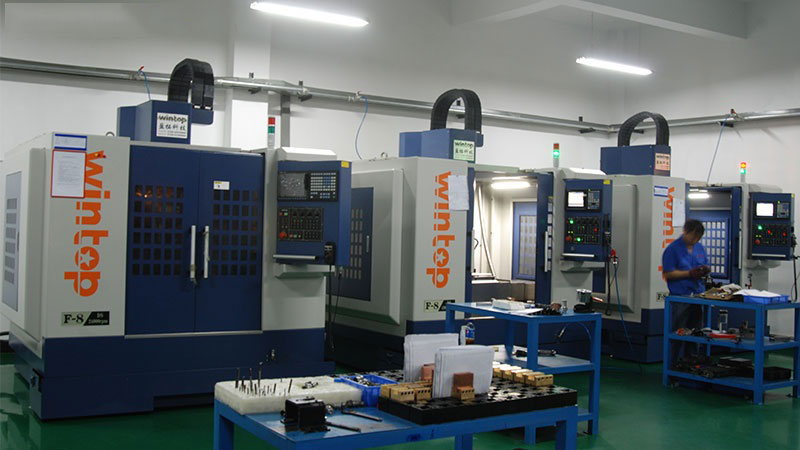
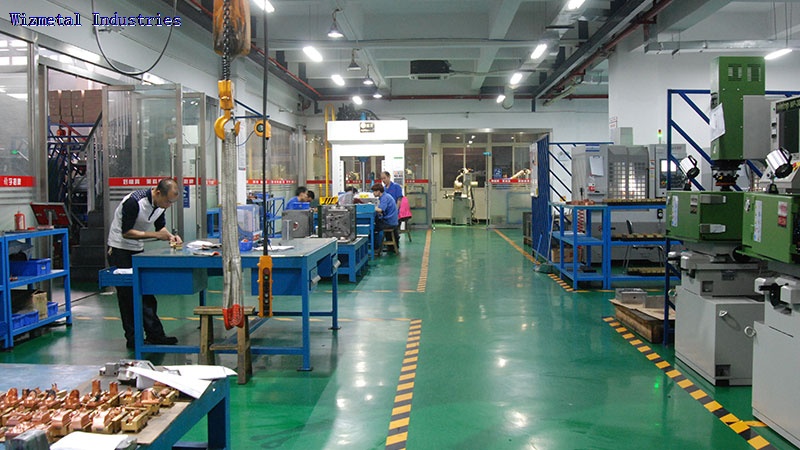
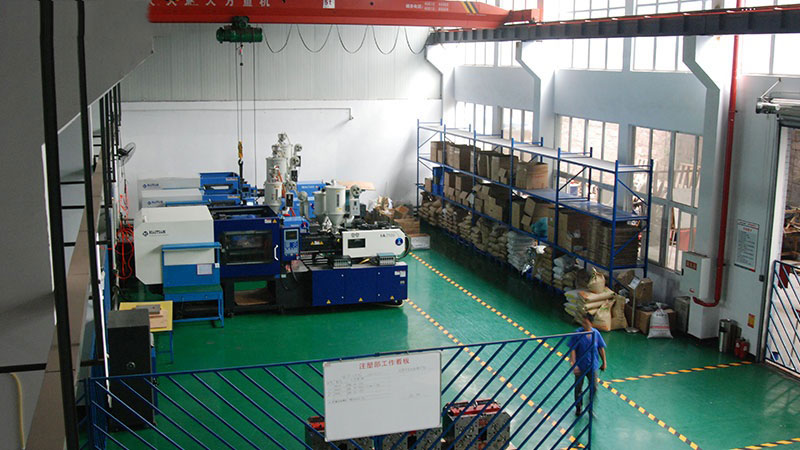
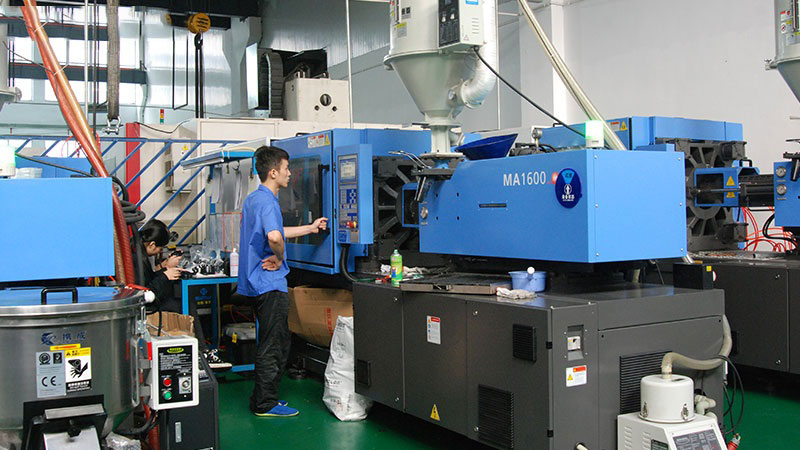
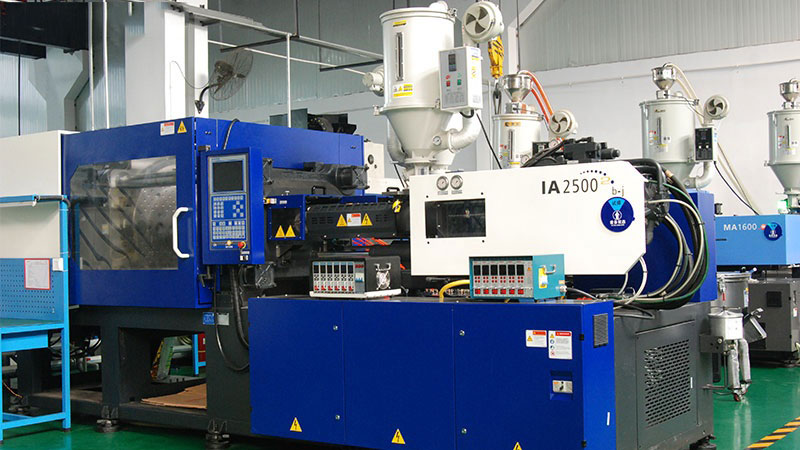
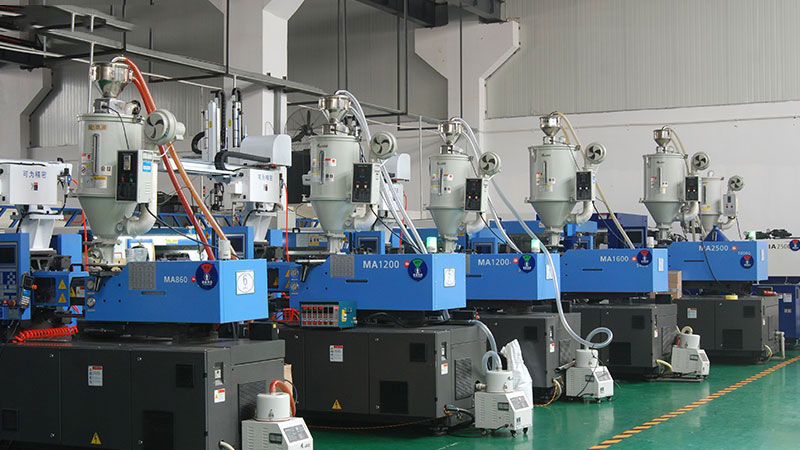
The foundation of any successful import project is rigorous supplier verification. In Shanghai’s vast industrial ecosystem, not all China mold factories are created equal. Begin by moving past Alibaba storefronts. A legitimate partner for custom molded products in Shanghai will have a detailed company profile including business licenses, registered capital, and years of operation. Utilize third-party verification services to confirm this data. Crucially, insist on a video tour of the facility. A live walkthrough of the production floor, quality lab, and warehouse reveals more than any brochure can. Observe the organization, machinery brands (e.g., Haitian, Engel, or Arburg injection molding machines), and the working environment. This step filters out trading companies masquerading as manufacturers and confirms the supplier’s actual capability to handle your project from mold design to final production.
Once a potential partner passes initial verification, the focus shifts to technical and procedural competence. The heart of your project is the injection mold itself. A reliable manufacturer will have a dedicated engineering team to engage in Design for Manufacturability (DFM) analysis. They should proactively provide feedback on your part design to optimize wall thickness, gate locations, and ejection, preventing costly mold revisions later. Demand transparency in their mold-making process. What steel grade do they use (e.g., P20, H13, Stainless)? Do they have in-house CNC, EDM, and polishing capabilities? For the production of the custom molded products themselves, inquire about their quality control protocol. A professional China mold factory will have a documented First Article Inspection (FAI) process, use Coordinate Measuring Machines (CMM) for critical dimensions, and conduct regular process parameter checks during the injection mold run. Their willingness to share these procedures is a key indicator of reliability.
Effective communication and project management are non-negotiable for overseas collaboration. The risk of delays and misunderstandings is high without clear systems. Your chosen supplier should assign a dedicated project manager fluent in English (or your language) who serves as your single point of contact. Establish a milestone-based communication schedule tied to key stages: DFM approval, mold design review, T1 sample submission, and pre-shipment inspection. Utilize shared cloud platforms for drawings and documents to maintain version control. Furthermore, clarify all cost breakdowns and payment terms upfront. A transparent quote will separate mold cost, sample cost, and unit part price. A common and secure payment structure is 30-50% deposit for mold fabrication, with the balance paid after sample approval and before mass production shipping. Never pay 100% upfront.
Proactive quality control throughout the production cycle is your primary risk mitigation tool. Do not rely solely on the supplier’s final check. For the injection mold, schedule an Initial Sample Inspection Report (ISIR) or Production Part Approval Process (PPAP) for the first articles from the finished mold. This validates that the mold produces parts to print specifications. For mass production, engage a reputable third-party quality inspection firm to conduct During Production Inspection (DPI) and Final Random Inspection (FRI) at the factory. These inspectors will check for consistency in dimensions, material, color, and visual defects against your approved sample. For buyers of custom molded products in Shanghai, this on-the-ground presence provides objective assurance before containers are sealed and shipped, preventing costly rejections upon arrival at your warehouse.
Finally, adopt a partnership mindset for long-term success. The most fruitful relationships with Shanghai manufacturers extend beyond a single purchase order. Discuss their capacity for future design iterations, material changes, and volume scaling. A forward-looking supplier will be interested in your product roadmap. Furthermore, stay informed on regional trends impacting procurement in 2026, such as advancements in automation, the growing adoption of Industry 4.0 smart factory practices, and evolving trade regulations. A manufacturer investing in these areas demonstrates a commitment to long-term competitiveness and stability, making them a more reliable partner for your evolving needs.
In conclusion, securing reliable manufacturers for custom molded products in Shanghai by 2026 demands a methodical, hands-on approach. It transitions sourcing from a simple price negotiation to a strategic vetting process built on verification, technical dialogue, structured communication, and layered quality control. By implementing these actionable steps—from the initial factory tour to the final pre-shipment inspection—overseas buyers can confidently navigate the Shanghai market. The goal is to build not just a supplier relationship, but a collaborative partnership with a China mold factory that ensures quality, reliability, and mutual growth for years to come. Your success in importing injection molded components hinges on the diligence you invest before the first mold steel is ever cut.
Work With Us
As a professional China mold manufacturer, we provide one-stop mold solution for overseas buyers.
📞 Phone: +86-18605944639
💬 WhatsApp: +8618605944639
🌐 Website: bestmoldworks.com
📧 Email: [email protected]