Category: Custom molds for resin

  • custom silicone mould manufacturers: Best Suppliers & 2026

    For overseas buyers, sourcing custom silicone moulds from China represents a significant opportunity to achieve cost efficiency, rapid prototyping, and scalable production. However, navigating the vast landscape of manufacturers to find a reliable partner can be a daunting task fraught with potential pitfalls. The key to success lies not just in finding a supplier, but in implementing a rigorous process for selection and collaboration. This guide provides actionable, professional strategies to help you identify and partner with the best **custom silicone mould manufacturers** in China for your 2026 projects and beyond, ensuring quality, reliability, and value.

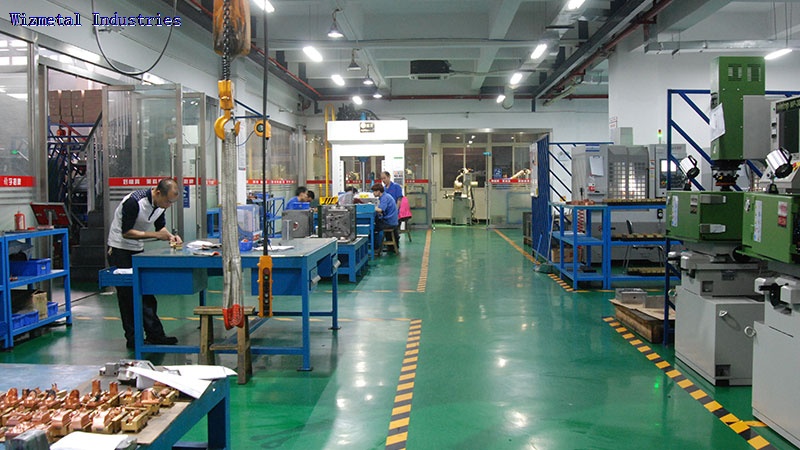
    The foundation of a successful import project is thorough supplier verification. Moving beyond a simple Alibaba search is crucial. Begin by identifying a shortlist of potential **custom silicone mould manufacturers** with proven export experience. Scrutinize their business licenses, export records, and certifications relevant to your industry, such as ISO 9001. However, verification must go deeper. Request detailed case studies or portfolios of past projects, specifically looking for molds similar in complexity, size, and end-use to your own. A reputable China mold factory will be transparent about its capabilities. Utilize video calls to conduct virtual factory tours; this allows you to assess their workshop organization, machinery (like precision CNC or EDM for mold cores), and cleanliness—a critical factor for silicone mold quality. Always ask for and contact past international clients for references, inquiring about communication, problem-solving, and adherence to timelines.

    Once a potential partner is identified, mastering the technical and commercial discussion is the next critical step. Clear communication of your specifications is non-negotiable. Provide comprehensive 3D drawings (STEP or IGS files are standard) with explicit tolerances, desired surface finish (e.g., SPI A-2), and details about the intended silicone material (Shore hardness, platinum-cure vs. tin-cure). Discuss the expected production volume from the mold, as this impacts the mold material choice—such as pre-hardened steel, aluminum, or stainless steel. A professional manufacturer will offer constructive feedback on your design for manufacturability (DFM), suggesting draft angles, optimal parting lines, and venting to prevent air traps. Simultaneously, obtain a detailed quotation that breaks down costs for mold design, materials, machining, testing, and shipping. Be wary of quotes that seem unusually low, as they often signal compromises in steel quality or machining precision that will lead to premature mold failure.

    Implementing proactive quality control throughout the manufacturing process is what separates successful imports from costly failures. Do not adopt a “wait and see” approach until the final product arrives at your dock. Insist on a staged inspection protocol. Key checkpoints include a First Article Inspection (FAI) after the mold is machined but before heat treatment, and a critical Trial Run (T1) where sample parts are produced using your specified silicone. The best practice is to hire a trusted third-party quality control agency in China to conduct these on-site inspections. They can verify steel hardness, measure critical dimensions, check surface polish, and assess the functionality of the ejection system and any sliders. This step of supplier verification through active monitoring prevents minor issues from becoming major defects. It is far more cost-effective to rectify a problem at the **China mold factory** than to ship a non-conforming mold overseas.

    Understanding the logistical and partnership dynamics completes a robust procurement strategy. Clarify all Incoterms (e.g., FOB, EXW, DAP) with your chosen manufacturer to avoid unexpected costs and responsibilities. Ensure proper mold packaging—typically a wooden crate with adequate cushioning—to prevent damage during ocean freight. Discuss post-sales support upfront: What is the warranty period for workmanship and materials? Will they provide maintenance advice or repair services? Building a relationship with a reliable partner goes beyond a single transaction. A trustworthy supplier will act as a consultant, helping you plan for future iterations or different **injection mold** projects you may have. View this procurement as establishing a long-term technical partnership that can provide agility and competitive advantage for your business through 2026.

    In conclusion, importing custom silicone moulds from China successfully is a systematic process that prioritizes due diligence, clear communication, and embedded quality control. By rigorously verifying suppliers, engaging in detailed technical discussions, enforcing staged inspections, and formalizing partnership terms, overseas buyers can mitigate risks and unlock the immense value of Chinese manufacturing. The goal is to transform the complex landscape of international procurement into a streamlined, reliable channel for high-quality tooling. As you plan your projects for 2026 and beyond, applying these professional and actionable strategies will position you to secure not just a product, but a dependable manufacturing partnership that drives innovation and growth for your business.

    Work With Us

    As a professional China mold manufacturer, we provide one-stop mold solution for overseas buyers.
    📞 Phone: +86-18605944639
    💬 WhatsApp: +8618605944639
    🌐 Website: bestmoldworks.com
    📧 Email: [email protected]
  • china plastic mold factory: Complete Procurement Guide 2026

    For global businesses, partnering with a China plastic mold factory represents a strategic move to achieve significant cost savings, access advanced manufacturing capabilities, and accelerate product development cycles. However, navigating this complex landscape requires more than just finding the lowest quote. The journey from initial concept to receiving high-quality, production-ready molds demands a structured, informed approach. This comprehensive guide for 2026 is designed to equip overseas buyers with actionable strategies to identify, vet, and collaborate with reliable Chinese mold manufacturers, transforming procurement from a daunting task into a streamlined competitive advantage.

    The cornerstone of successful procurement is meticulous supplier verification. In 2026, due diligence goes far beyond a website and a price list. Start with a multi-faceted verification process. Utilize professional platforms like Made-in-China.com or Global Sources, but cross-reference this with direct factory audits, either in-person or via high-definition virtual tours. Key documents to request include the business license, audit reports, and certifications such as IATF 16949 for automotive or ISO 9001 for general quality management. Critically, investigate their export experience. A proven China mold factory with a history of serving markets like the EU or North America will be familiar with international standards, packaging, logistics, and communication protocols essential for a smooth transaction. Do not underestimate the value of requesting and contacting past overseas clients for references.

    Once a shortlist of potential partners is established, the focus shifts to technical clarification and project alignment. This phase is where ambiguity leads to cost overruns and delays. Provide potential suppliers with a comprehensive RFQ (Request for Quotation) package. This should include detailed 3D CAD files (STEP or IGS), 2D drawings with critical dimensions and tolerances clearly marked, and a specification sheet outlining material type (e.g., POM, ABS, PP), expected annual volumes, cavity requirements, and surface finish (SPI standards). For the injection mold itself, discuss and agree upon core technologies upfront: mold flow analysis to predict and prevent defects, the steel grade (e.g., S136, H13, P20) and its hardness, cooling channel design, and the type of mold structure (two-plate, three-plate, hot runner systems). A professional China plastic mold factory will engage deeply at this stage, asking clarifying questions and potentially offering design for manufacturability (DFM) feedback to optimize your part for molding efficiency and cost.

    Implementing rigorous, staged quality control is non-negotiable. Agree on a QC protocol before order placement and ensure it is part of the commercial contract. The process should be milestone-based. First, a pre-production inspection of the mold steel and key components. Second, the critical First Article Inspection (FAI) after the T1 sample mold is trialed. This is where you receive initial sample parts, dimensional reports, and CMM data for verification against your drawings. Do not approve mass production until samples are perfect. For ongoing assurance, define the use of Process Qualification Reports (PQRs) or capability studies (Cp/Cpk) for critical dimensions during production runs. Many reputable suppliers are open to third-party inspection services like SGS or Bureau Veritas for an impartial assessment. Remember, proactive quality control at the mold manufacturing stage prevents exponentially more expensive problems later in mass production.

    Effective communication and contract management form the backbone of the partnership. Clearly define all terms in a detailed proforma invoice and subsequent contract. Key elements include: total price (broken down into mold cost and unit part price), payment terms (e.g., 50% deposit, 40% after sample approval, 10% before shipment), a firm delivery timeline with penalties for delays, and intellectual property (IP) protection clauses stating that your design and mold belong solely to your company. Utilize collaborative tools for daily communication; platforms like Zoom, Microsoft Teams, or even WeChat for quick updates are essential. Establish a single point of contact on both sides who is technically competent. Regular, scheduled update meetings, even if brief, foster transparency and prevent small issues from becoming major crises. This structured approach ensures both parties are aligned throughout the procurement journey.

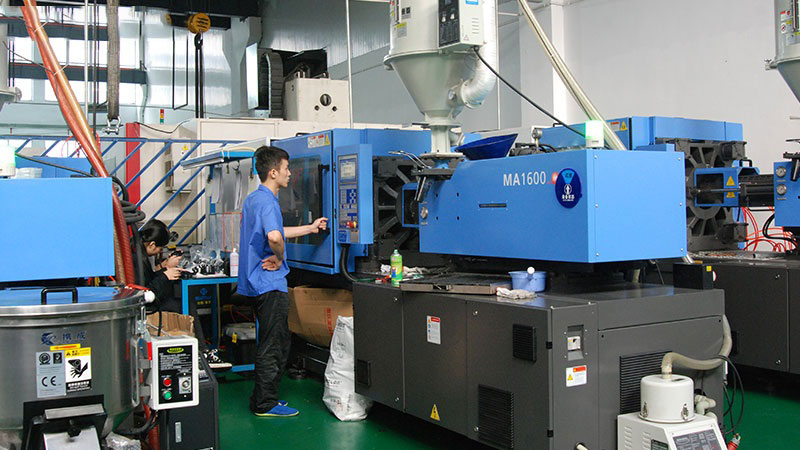
    Finally, view the relationship with your chosen supplier as a strategic partnership, not a one-off transaction. A reliable China plastic mold factory is an extension of your engineering and production team. Discuss their capacity for future maintenance, mold modifications, and production scaling. Inquire about their capabilities in related areas like injection molding production, secondary operations (assembly, ultrasonic welding, painting), and final fulfillment services. This vertical integration can simplify your supply chain immensely. As you move into 2026, consider factors like the factory’s adoption of Industry 4.0 practices, automation in both mold making and molding, and their environmental compliance, which is increasingly important for global brands.

    In conclusion, successfully importing molds from China in 2026 is a systematic process built on research, clear communication, and verified quality. By mastering the steps of thorough supplier verification, precise technical alignment, staged quality control, and robust contract management, overseas buyers can mitigate risks and unlock the immense value offered by China’s mold manufacturing ecosystem. The goal is to transition from being just an international customer to becoming a valued partner to a competent China plastic mold factory. This partnership, founded on clarity and mutual respect, is the ultimate key to securing not only superior tooling but also a durable competitive edge in your market.

    Work With Us

    As a professional China mold manufacturer, we provide one-stop mold solution for overseas buyers.
    📞 Phone: +86-18605944639
    💬 WhatsApp: +8618605944639
    🌐 Website: bestmoldworks.com
    📧 Email: [email protected]
  • custom molds for plastic part: Reliable Manufacturers 2026

    For overseas buyers and procurement specialists, sourcing custom molds for plastic parts represents a critical path to innovation and cost efficiency. However, the journey from concept to a high-quality, mass-produced component hinges on one pivotal decision: selecting the right China mold factory. As we look toward 2026, the landscape is more competitive and capable than ever, but the challenges of supplier verification, communication, and quality control remain real. This guide cuts through the noise to provide actionable, professional strategies for partnering with reliable manufacturers, ensuring your injection mold project delivers on time, on budget, and to specification.

    Conducting Deep-Due Diligence Supplier Verification

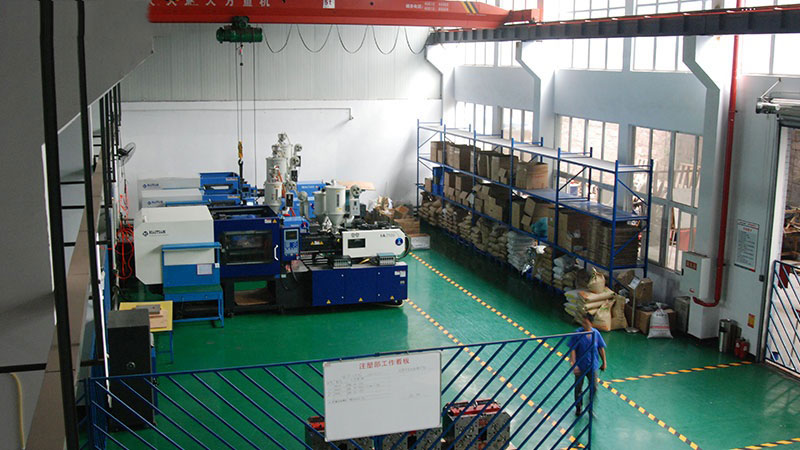
    The foundation of a successful import project is built long before the first steel block is cut. In 2026, basic online directories are insufficient for vetting a potential partner. Start with a multi-faceted verification process. Scrutinize the supplier’s business licenses and export history. Utilize third-party inspection company reports to assess their operational credibility. Crucially, move beyond curated factory tours and request video calls to conduct live, unannounced walkthroughs of their production floor. Focus on their machine park—modern, well-maintained CNC, EDM, and injection molding machines are non-negotiable for precision. Investigate their project portfolio for components similar in size, complexity, and industry to yours. A reliable manufacturer for your custom molds for plastic part will be transparent, providing detailed case studies and client references you can actually contact.

    Mastering Technical Communication and RFQ Precision

    Miscommunication is the most common and costly pitfall in cross-border procurement. To secure an accurate quotation and project timeline, your Request for Quotation (RFQ) must be exceptionally detailed. Beyond providing a 3D CAD model, include comprehensive technical specifications: the intended plastic material, annual part volume, critical tolerances, surface finish requirements, and expected mold lifespan. Specify the mold base standard and preferred steel grade. Discuss part design for manufacturability openly; a trustworthy China mold factory will offer constructive feedback to simplify geometry, reduce costs, and improve durability. Establishing a single, technically proficient point of contact on both sides, using clear visual aids and marked-up drawings, will prevent expensive misunderstandings and ensure the injection mold is built right the first time.

    Implementing a Phased Quality Control Protocol

    Quality cannot be inspected into a mold; it must be built into every stage. In 2024, leading buyers implement a phased quality control protocol. First, mandate a First Article Inspection report for the mold steel material. Next, establish milestone inspections: a critical design review after the 3D mold flow analysis, an inspection of the finished mold cavity using CMM reports to verify dimensions, and a pre-shipment sampling run. This final step is vital—witnessing the mold producing samples on a machine at the factory allows you to verify cycle times, part dimensions, and cosmetic quality before shipment. Allocate budget for a third-party quality inspector to conduct these checks if you cannot be physically present. This structured approach mitigates risk and ensures the final output meets your standards.

    Navigating Logistics, IP Protection, and Total Cost

    The quoted mold price is only one component of the total cost of ownership. For 2026, savvy buyers plan for the entire journey. Discuss Incoterms explicitly—FOB is common, but understand all responsibilities. Factor in shipping, insurance, and potential import duties. Intellectual property protection is a valid concern. Work with manufacturers who are willing to sign a robust Non-Disclosure Agreement and consider registering your design in China. Discuss mold ownership and storage; will the supplier retain the mold, and at what cost? Finally, analyze the long-term partnership potential. A reliable supplier isn’t just a vendor for a single custom mold for plastic part; they are a strategic partner for future projects, design iterations, and ongoing maintenance. Their ability to support you with spare parts and technical service adds immense value beyond the initial transaction.

    Building a Relationship for Long-Term Success

    The most reliable manufacturers in China view projects as the start of a long-term collaboration. Foster this relationship through clear, respectful communication and realistic expectations. Schedule regular update calls and request transparent progress reports with photos and videos. Be prompt in your feedback and approvals to avoid project delays. Visiting the factory, if possible, remains one of the most effective ways to solidify partnership and trust. By treating your supplier as an extension of your own engineering team, you create a foundation for continuous improvement, favorable pricing on future projects, and a supply chain partner you can rely on through 2026 and beyond.

    Conclusion

    Importing injection molds from China in 2026 demands a strategic, informed approach centered on rigorous verification and proactive management. By implementing deep supplier due diligence, mastering technical communication, enforcing phased quality control, and planning for total cost and logistics, overseas buyers can significantly de-risk their procurement process. The goal is to transform a complex international transaction into a seamless extension of your production capability. The right China mold factory is more than a manufacturer; it is a critical partner in bringing your innovative plastic parts to market with reliability, precision, and competitive advantage. Start your next project with these actionable strategies to secure a partnership that delivers lasting value.

    Work With Us

    As a professional China mold manufacturer, we provide one-stop mold solution for overseas buyers.
    📞 Phone: +86-18605944639
    💬 WhatsApp: +8618605944639
    🌐 Website: bestmoldworks.com
    📧 Email: [email protected]
  • mold Manufacturerturers: Best Suppliers & Quality Cont 2026

    For overseas buyers, the decision to import molds from China represents a significant strategic advantage, offering unparalleled cost efficiency and manufacturing scale. However, navigating the vast landscape of Chinese industry to identify truly reliable partners can be daunting. The core challenge is not finding a manufacturer, but finding the right manufacturer—one that delivers consistent quality, maintains clear communication, and adheres to timelines. This guide is designed to cut through the noise, providing actionable, forward-looking strategies for 2026 to help you secure partnerships with top-tier Chinese mold manufacturers and implement robust quality control from the outset.

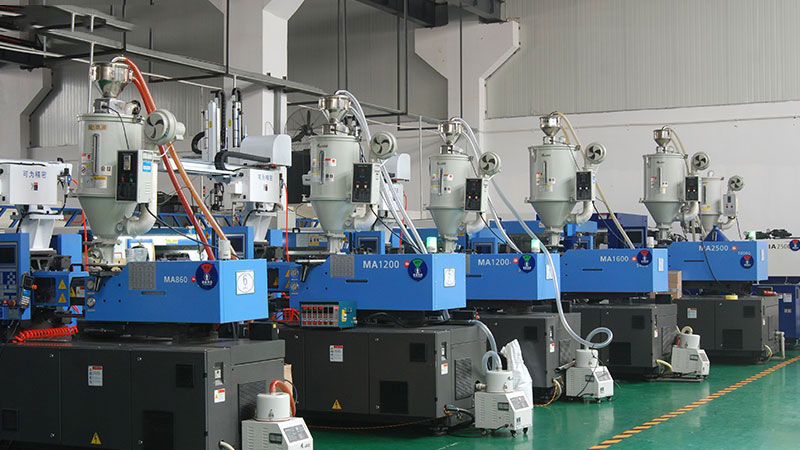
    The foundation of a successful import project lies in meticulous supplier verification. Moving beyond simple online directories is crucial. Start by leveraging professional B2B platforms like Made-in-China.com or Global Sources, but use them as a starting point for deeper due diligence. For critical projects, prioritize identifying a specialized China mold factory with a proven track record in your specific industry, whether automotive, consumer electronics, or medical devices. Essential verification steps include reviewing business licenses, auditing factory audit reports (consider hiring a third-party service for this), and scrutinizing their portfolio for projects of similar complexity. Most importantly, initiate a video call for a virtual factory tour; a reputable manufacturer will be transparent and willing to showcase their facility, machinery, and workflow in real-time.

    Once a shortlist is established, mastering the technical and commercial discussion is key. When requesting a quotation, provide a comprehensive package: detailed 2D drawings, 3D CAD models (STEP or IGS), material specifications, expected annual volumes, and cosmetic requirements. This clarity prevents misunderstandings and allows for accurate costing. Discuss the mold design process explicitly—will they provide a design for your approval? A professional China mold factory will have in-house design engineers who can offer Design for Manufacturability (DFM) feedback, potentially saving you cost and improving the final part’s performance. Furthermore, be precise about the mold steel (e.g., P20, H13, S136) and cavity surface treatments, as these directly impact mold life and part quality. Transparent communication at this stage separates true mold manufacturers from mere workshops.

    The most critical phase, and where many projects falter, is proactive quality control. Do not treat QC as a final inspection before shipment. Instead, integrate it throughout the production cycle. Insist on a staged inspection protocol. First, a pre-production inspection of the mold steel and key components. Second, a Trial Run Report (TIR) after the first shots are produced. This should include photos, video of the process, and samples of the molded parts along with dimensional inspection reports using CMM (Coordinate Measuring Machine) data. For precision injection molds, this is non-negotiable. Consider engaging a local third-party quality inspection firm to conduct an Initial Production Check (IPC) during the first 10-15% of production, if applicable. This layered approach ensures issues are caught early, when they are less costly and time-consuming to correct.

    Effective procurement from China hinges on managing logistics, intellectual property (IP), and the partnership beyond the first order. Clearly define Incoterms (FOB Shanghai, EXW, etc.) in your contract to avoid hidden costs. For IP protection, a well-drafted Non-Disclosure Agreement (NDA) and a product-specific confidentiality clause in the manufacturing agreement are essential. While legal enforcement can be complex, working with established, reputable mold manufacturers significantly reduces IP risks, as they value their long-term business reputation. Finally, view this as a partnership. Provide clear feedback, be reasonable with change requests, and plan for mold maintenance. A trustworthy supplier will offer maintenance services and spare parts, which is invaluable for the total lifecycle cost of your injection mold. Building this relationship is your greatest asset for securing priority service and reliability for future projects in 2026 and beyond.

    Importing molds from China in 2026 requires a blend of rigorous vetting, technical clarity, and embedded quality assurance. The landscape is competitive, and the best Chinese mold manufacturers are those that welcome transparent, professional engagement. By implementing a structured process of supplier verification, detailed technical communication, staged quality control, and strategic relationship management, you transform procurement from a transactional risk into a sustained competitive advantage. The goal is to move beyond being just an overseas buyer to becoming a valued partner, ensuring a stream of high-quality, cost-effective molded components for years to come.

    Work With Us

    As a professional China mold manufacturer, we provide one-stop mold solution for overseas buyers.
    📞 Phone: +86-18605944639
    💬 WhatsApp: +8618605944639
    🌐 Website: bestmoldworks.com
    📧 Email: [email protected]
  • create custom molds: Complete Procurement Guide 2026

    For overseas businesses, the decision to create custom molds in China represents a significant strategic advantage, offering unparalleled cost efficiency and manufacturing scalability. However, navigating this complex procurement landscape can be daunting, with challenges ranging from supplier verification to consistent quality control. This guide is designed to demystify the process, providing you with a clear, actionable framework for 2026. We move beyond theory to deliver practical solutions that address the real problems faced by international buyers, ensuring your next project is executed with precision, transparency, and confidence.

    The cornerstone of a successful project is selecting the right China mold factory. The initial search must be strategic. Begin by leveraging B2B platforms like Made-in-China.com or Global Sources, but use them as a starting point for identification, not final validation. Prioritize suppliers with verifiable credentials, including business licenses and, crucially, a portfolio of past work for international clients. In 2026, the most reliable factories are those that embrace transparency through digital means. Insist on a virtual factory tour via video call; this allows you to assess machinery, workshop organization, and technological capability firsthand. Furthermore, request detailed case studies for projects similar in complexity and material to yours. A professional partner will understand this due diligence and will be prepared to provide references, establishing a foundation of trust from the outset.

    Once you have shortlisted potential partners, a rigorous supplier verification and technical alignment phase begins. The request for quotation (RFQ) package you provide is critical. It must extend beyond simple part drawings to include a comprehensive technical data pack: 3D CAD files (STEP or IGS), 2D drawings with GD&T tolerances, material specifications, expected annual volumes, and cosmetic requirements. This clarity prevents misunderstandings and allows for accurate, comparable quotes. When evaluating proposals, look beyond the bottom-line price. Scrutinize the proposed mold design, steel grade selection, cooling layout, and the projected number of shots. Engage in a detailed design review meeting before any steel is cut. A competent manufacturer will provide DFM (Design for Manufacturability) feedback, suggesting optimizations for durability, ease of production, and cost-effectiveness. This collaborative engineering step is non-negotiable for creating custom molds that are both high-quality and production-ready.

    With a supplier selected, implementing a structured quality control protocol is what separates successful imports from costly failures. Define clear, measurable quality benchmarks upfront and embed them in the purchase contract. These should cover critical checkpoints: First Article Inspection (FAI) using CMM reports to validate dimensions against your drawings, T1 sample approval for part form and fit, and a final pre-shipment audit of the finished mold. For high-value projects, engaging a local third-party quality inspection firm for on-site audits during key milestones is a highly recommended investment. They can verify steel hardness, inspect mold polish and texture, and witness trial runs, providing an unbiased report. Modern communication tools are essential; insist on regular updates with photos and videos from the workshop floor. This proactive approach to quality control ensures issues are identified and resolved early, avoiding expensive rework and delays after shipment.

    Effective procurement management extends through logistics and into long-term partnership. Clearly define shipping Incoterms (typically EXW or FOB) and responsibilities in your contract. Ensure the China mold factory provides complete documentation, including a detailed mold manual, maintenance instructions, and spare parts list. For your first project, consider starting with a smaller, less complex mold to evaluate the supplier’s performance on deliverables, communication, and problem-solving before committing to larger orders. Building a successful relationship is about clear, consistent communication and mutual respect. View your chosen supplier not merely as a vendor but as a technical partner. A reliable China mold factory invested in a long-term relationship will provide better support for future design iterations, maintenance, and production ramp-up, turning your initial procurement effort into a sustained competitive advantage.

    To create custom molds in China successfully in 2026 requires a methodical approach grounded in verification, clear communication, and proactive quality management. The landscape is evolving, with leading manufacturers increasingly adopting digital tools and international standards to serve global clients. By following this structured guide—from in-depth supplier vetting and collaborative design reviews to rigorous inspection protocols—you transform the procurement process from a source of uncertainty into a streamlined, reliable engine for innovation and growth. The goal is not just to purchase a tool, but to establish a manufacturing partnership that delivers precision, value, and consistency for years to come.

    Work With Us

    As a professional China mold manufacturer, we provide one-stop mold solution for overseas buyers.
    📞 Phone: +86-18605944639
    💬 WhatsApp: +8618605944639
    🌐 Website: bestmoldworks.com
    📧 Email: [email protected]
  • custom injection mold price: Complete Procurement Guide 2026

    For overseas buyers, navigating the landscape of custom injection mold procurement in China presents a significant opportunity for cost efficiency and quality manufacturing. However, the central question remains: what determines the custom injection mold price, and how can you ensure you receive true value without compromising on quality or project timelines? This guide for 2026 cuts through the noise to provide a professional, actionable framework for your procurement journey. We will move beyond simple cost tables, which are often misleading, and focus on the factors that influence pricing and the strategic steps required to partner with a reliable China mold factory.

    Understanding the Core Variables Behind Injection Mold Pricing

    A precise custom injection mold price is not plucked from a catalog; it is a calculated figure derived from your specific project requirements. Before you even request a quote, understanding these variables empowers you to provide precise specifications and compare offers accurately. The primary cost drivers are mold complexity and size. Complexity encompasses the number of cavities, which directly multiplies manufacturing effort, and the geometric intricacies of your part. Undercuts, tight tolerances, thin walls, and sophisticated surface finishes (like SPI or VDI standards) all demand advanced engineering, more skilled labor, and often specialized machining like EDM, escalating the cost. Mold size, determined by your part dimensions and required shot capacity, dictates the volume of steel material needed. The choice of steel itself is a major factor—standard pre-hardened steel like P20 is economical, while hardened steels like H13 or stainless steels for longevity or corrosive materials carry a premium. Finally, consider ancillary costs built into the price: mold flow analysis (a critical upfront simulation to prevent costly defects), the level of post-mold services like sampling and adjustments, and the expected mold lifespan (e.g., 500,000 cycles vs. 1 million+).

    The Foundational Step: Rigorous Supplier Verification and Qualification

    The most critical action to protect your investment and achieve a fair custom injection mold price is thorough supplier verification. In 2026, due diligence goes beyond a website and a price list. Start by verifying the China mold factory’s business license and export credentials. Seek out and meticulously contact their past overseas clients, requesting references on communication, problem-solving, and adherence to schedules. A professional supplier will have a documented quality management system; inquire about ISO 9001 certification or their internal process controls. Crucially, assess their engineering capability. Do they employ experienced mold designers who can offer Design for Manufacturability (DFM) feedback? A supplier that proactively suggests design optimizations to reduce cost and improve manufacturability is often more valuable than one that simply quotes on your initial, potentially flawed, design. This stage is not about finding the cheapest bidder but identifying a competent partner whose quoted price reflects a realistic understanding of your project’s scope.

    Strategic Procurement: From RFQ to Negotiation and Contract

    A structured procurement process is your strongest tool for value acquisition. Begin with a comprehensive Request for Quotation (RFQ) package. This should include not just the 3D part file (STEP or IGS format), but also a detailed specification sheet covering material, annual volumes, critical tolerances, surface finish requirements, and expected mold life. This clarity prevents misunderstandings and ensures all quotes are based on identical parameters, making them truly comparable. When quotes arrive, analyze them line by line. Be wary of prices that seem abnormally low; this often signals corner-cutting on materials, engineering time, or process controls. Instead of haggling on the total price alone, negotiate on specific terms. Can a different steel grade achieve the required lifespan? Would a slight design modification simplify the mold? Clearly define payment terms—a common and balanced structure is 40-50% deposit, 30-40% after first trial samples are approved, and the balance before shipment. Your contract must explicitly detail all specifications, acceptance criteria for the mold (e.g., part dimensions from sample shots), warranty period, and protocols for handling design changes.

    Implementing Proactive Quality Control Throughout the Mold Lifecycle

    Managing quality control remotely is a paramount concern for importers. The goal is to catch issues early, not after the mold is shipped. Insist on a staged quality control plan integrated into the payment schedule. Key inspection milestones include a First Article Inspection (FAI) of mold components like cores and cavities, often using CMM reports. The most critical phase is the Trial Run (T1) at the supplier’s facility. Do not accept just photos or videos; require physical samples to be shipped to you for thorough measurement and functional testing. Many reputable suppliers now offer live video streaming of the trial run, allowing you to witness the process and provide real-time feedback. Consider engaging a local third-party inspection agency for a Pre-Shipment Inspection (PSI) to conduct a final audit against the agreed specifications. This layered approach to quality control mitigates risk and ensures the final delivered injection mold meets your performance expectations, securing the true value of your procurement investment.

    Conclusion: Building a Partnership for Long-Term Value

    Successfully importing a custom injection mold from China in 2026 is a strategic exercise in partnership building, not merely a transactional purchase. The custom injection mold price is the entry point, but the ultimate metric of success is the Total Cost of Ownership (TCO), which includes mold longevity, part quality consistency, and the supplier’s reliability for future maintenance and modifications. By deeply understanding the cost drivers, executing rigorous supplier verification, managing the procurement process with clear documentation, and enforcing a proactive quality control regime, you transform from a passive buyer into an informed partner. This disciplined approach enables you to leverage the competitive advantages of the Chinese manufacturing ecosystem effectively, securing not just a tool, but a foundation for your product’s quality and market success for years to come.

    Work With Us

    As a professional China mold manufacturer, we provide one-stop mold solution for overseas buyers.
    📞 Phone: +86-18605944639
    💬 WhatsApp: +8618605944639
    🌐 Website: bestmoldworks.com
    📧 Email: [email protected]

  • custom molded parts: Expert Tips & Solutions 2026 | China Mold Factory

    For overseas buyers, sourcing custom molded parts from China represents a significant strategic advantage, offering unparalleled cost efficiency and manufacturing scalability. However, the path to a successful partnership with a China mold factory is often paved with complexities, from supplier verification to consistent quality control. Navigating this landscape requires more than just finding a low quote; it demands a structured, informed approach to procurement. This guide provides actionable, expert solutions for 2026, designed to help you mitigate risks, ensure quality, and build a reliable supply chain for your injection mold and production parts.

    The cornerstone of a successful import project is rigorous supplier verification. Moving beyond Alibaba listings and initial email correspondence is non-negotiable. Begin by scrutinizing the manufacturer’s core competencies. Do they specialize in your industry or material type? A factory experienced with medical-grade polymers may not be the best fit for high-volume automotive components. Request and verify business licenses, and insist on a virtual or, ideally, an in-person factory audit. Utilize video calls for real-time tours of the workshop, focusing on the condition of CNC machines, EDM equipment, and cleanroom facilities if needed. Furthermore, ask for detailed case studies and contact references from their existing overseas clients. This due diligence phase filters out trading companies masquerading as factories and aligns you with a partner capable of delivering your specific custom molded parts.

    Once a potential partner is identified, mastering the technical and commercial dialogue is critical. The procurement process for an injection mold is fundamentally different from ordering off-the-shelf products. Your request for quotation (RFQ) must be exceptionally detailed. Provide not just a 3D CAD model, but a comprehensive specification document covering material grade (including color and supplier preferences), critical tolerances, surface finish requirements (SPI standards), expected annual volumes, and post-molding operations. Clearly distinguish between the mold cost (a capital investment) and the piece-part price. Understand the mold trial process, payment milestones, and ownership rights to the mold tooling. A professional China mold factory will engage deeply with this data, asking clarifying questions and offering design for manufacturability (DFM) feedback to optimize your part for production and reduce long-term costs.

    Proactive quality control, integrated from the very first sample, is what separates successful long-term imports from costly failures. Do not wait until the first production batch to inspect quality. The initial tooling trial (T1) sample is your most important checkpoint. Engage a trusted third-party inspection agency in China to perform a detailed First Article Inspection (FAI) against your drawings and specifications. This report will validate dimensional accuracy, material certification, and assembly functionality. Establish clear Acceptable Quality Level (AQL) standards for future production runs. Schedule regular during-production inspections (DPI) for high-volume orders to catch deviations early. A reliable supplier will welcome this structured QC approach, as it demonstrates your professionalism and prevents disputes. This layered inspection strategy ensures that the shipment arriving at your port meets the exact standards agreed upon for your custom molded parts.

    Building a sustainable partnership transcends a single transaction. The most savvy buyers view their China mold factory as a strategic extension of their own engineering and production team. Foster transparent and regular communication, using project management tools to track progress. Discuss long-term plans, including potential material cost fluctuations and capacity for scaling production. A forward-thinking partner can advise on inventory strategies like consignment stock or just-in-time delivery. Furthermore, protect your intellectual property with a robust Non-Disclosure Agreement (NDA) and clearly defined contract that covers mold storage, maintenance, and repair responsibilities. By investing in the relationship, you create a resilient supply chain that can adapt to market changes and drive continuous improvement in your product line.

    In conclusion, importing molds and custom molded parts from China in 2026 is a highly viable strategy, but its success hinges on a methodical, knowledge-driven approach. The journey from concept to consistent, high-quality parts requires diligent supplier verification, precise technical communication, an unwavering commitment to staged quality control, and a focus on long-term partnership. By implementing these expert tips, you transform the perceived challenges of overseas procurement into a competitive edge, securing not only cost savings but also a reliable, high-quality manufacturing foundation. Your chosen China mold factory should ultimately function as a pillar of your product’s success, delivering value and precision for years to come.

    Work With Us

    As a professional China mold manufacturer, we provide one-stop mold solution for overseas buyers.
    📞 Phone: +86-18605944639
    💬 WhatsApp: +8618605944639
    🌐 Website: bestmoldworks.com
    📧 Email: [email protected]

  • custom injection molded parts: Ultimate Guide for Buy 2026

    For global businesses, sourcing custom injection molded parts represents a critical pathway to innovation, cost efficiency, and market agility. China remains the epicenter of this manufacturing capability, offering an unparalleled combination of technical expertise, advanced facilities, and scalable production. However, navigating this complex landscape requires a modern, informed approach. This 2026 Ultimate Guide is designed to provide overseas buyers with a professional, actionable framework for successfully importing high-quality custom injection molded parts from China, mitigating risks and ensuring a seamless partnership.

    The foundation of any successful project lies in selecting the right China mold factory. The market is vast, with capabilities ranging from rudimentary workshops to fully integrated, automated facilities. Your first step must be a rigorous supplier verification process. Move beyond Alibaba listings and initiate direct video conferences to tour facilities. In 2026, a reputable supplier should readily showcase their CNC machining centers, EDM equipment, and mold trial injection machines. Critically assess their experience with materials and industries relevant to your part. Do they have a portfolio of similar components? Can they provide references from long-term overseas clients? Verifying certifications like ISO 9001 is standard, but delve deeper into their process documentation and project management structure for international orders. This due diligence separates true partners from transactional vendors.

    Once a potential partner is identified, the technical dialogue begins. The design for manufacturability (DFM) stage is where a proficient injection mold supplier proves its value. A competent factory will provide a detailed DFM report, highlighting potential issues with wall thickness, undercuts, gate locations, and ejection. They should advise on material selection based on your part’s function, cost constraints, and regulatory requirements. This collaborative phase is crucial for optimizing the mold design to reduce cycle times, minimize material use, and prevent future defects. Insist on 3D mold flow analysis simulations; this is no longer a luxury but a standard expectation for mitigating risks before steel is cut. A transparent partner will explain how the injection mold design impacts the final part quality, lead time, and unit cost, ensuring you are fully informed before committing to tooling investment.

    With the design finalized, a clear and legally robust procurement agreement is paramount. This contract must explicitly detail all aspects: mold ownership, payment schedule (e.g., 30% deposit, 40% on first article inspection, 30% on shipment), approved 2D drawings and 3D files, material specifications, mold steel grade and hardness, cavity life expectancy, and delivery timeline. Crucially, define the First Article Inspection (FAI) process. The agreement should state that shipment of the production mold is contingent upon your written approval of sample parts, comprehensive inspection reports (including CMM data), and full documentation. This formalizes quality control gates and protects your financial investment, ensuring the physical mold meets all agreed specifications before it leaves the factory.

    Effective quality control transcends a single pre-shipment inspection. For custom injection molded parts, a proactive, layered QC strategy is essential. During mold trials, be present either in person or via a trusted third-party inspection service. Witness the process parameters and evaluate the initial samples against the master drawings. Establish clear Acceptable Quality Limits (AQL) for production runs. For ongoing orders, implement a mix of periodic audits and random inspections that check not just the parts, but also the production environment, raw material batches, and machine maintenance logs. Modern suppliers should utilize digital quality management systems that allow for real-time tracking of production metrics and non-conformities. This continuous oversight builds a culture of quality and prevents costly surprises, ensuring consistent part performance in your assembly lines.

    The final logistical and partnership phase determines long-term success. Discuss packaging standards explicitly to prevent damage during ocean freight. Understand Incoterms 2020 thoroughly; FOB is common, but you may consider EXW for more control or CIF for simplicity. Ensure all necessary customs documentation, including a detailed commercial invoice and packing list with harmonized system codes, is prepared accurately. Beyond the transaction, view this as a strategic partnership. Schedule regular business reviews, share forecasts, and collaborate on continuous improvement projects. A reliable China mold factory is an extension of your engineering team, capable of supporting design iterations, material changes, and volume scaling as your product evolves in the market.

    Importing custom injection molded parts from China in 2026 is a strategic endeavor that rewards meticulous planning and partnership. The journey, from rigorous supplier verification and collaborative design to ironclad procurement terms and multi-stage quality control, is complex but manageable with a structured approach. By focusing on transparency, technical collaboration, and proactive management, overseas buyers can fully leverage China’s manufacturing prowess. This not only secures a cost-effective supply of high-quality components but also builds a resilient, responsive supply chain capable of driving product innovation and competitive advantage for years to come.

    Work With Us

    As a professional China mold manufacturer, we provide one-stop mold solution for overseas buyers.
    📞 Phone: +86-18605944639
    💬 WhatsApp: +8618605944639
    🌐 Website: bestmoldworks.com
    📧 Email: [email protected]

  • silicone mould manufacturers in china: Complete Procu 2026

    For overseas buyers, sourcing from silicone mould manufacturers in China represents a significant opportunity to access high-quality tooling at competitive costs. However, navigating this complex market requires more than just a simple supplier search. It demands a strategic, informed approach to procurement, verification, and quality management. This guide is designed to provide you with a clear, actionable roadmap for 2026, focusing on the practical steps necessary to secure reliable partnerships and superior products. We will move beyond generic advice to solve the real challenges you face in international procurement.

    The foundation of a successful import project lies in meticulous supplier identification and verification. The term “China mold factory” encompasses a vast spectrum, from small workshops to highly automated industrial facilities. Your first task is to align your project specifications with a manufacturer’s true capabilities. Utilize comprehensive B2B platforms, but go deeper. Prioritize suppliers with verifiable certifications relevant to your industry and end-market, such as ISO 9001. A critical, non-negotiable step is conducting a virtual or in-person factory audit. Request live video tours of the production floor, inspect their machinery for mold manufacturing, and ask for detailed case studies of previous projects, especially those for overseas clients. This process of supplier verification separates credible partners from mere trading companies.

    Once a potential partner is identified, mastering the technical and commercial discussion is paramount. Professional silicone mould manufacturers in China expect precise inquiries. Prepare a comprehensive RFQ (Request for Quotation) package that includes not just part drawings, but also material specifications (e.g., food-grade silicone, high-temperature resistance), expected production volume, and tolerance requirements. Be explicit about your quality control expectations from the outset. Discuss the mold flow analysis they will perform, the type of steel or aluminum for the mold base, and their process for sample approval. Understanding the difference between a prototype mold and a production mold will also impact cost and timeline. Clear communication at this stage prevents costly misunderstandings later.

    The procurement phase extends beyond signing a contract. Implementing a robust quality control framework is your primary tool for risk mitigation. For silicone injection molds, this means instituting checkpoints at critical stages. Insist on First Article Inspection (FAI) reports once the initial samples are produced from the new mold. Partner with a reputable third-party quality inspection service in China to conduct During Production Inspections (DPI) and Pre-Shipment Inspections (PSI). They will check for critical factors like dimensional accuracy, surface finish, flash, and consistency across a sample batch. For buyers of injection molds for plastic parts, this also includes testing the mold’s performance over multiple cycles to ensure durability. Do not view these services as an extra cost, but as essential insurance that protects your larger investment.

    Navigating logistics, intellectual property, and the post-procurement relationship are final, crucial considerations. Work with your chosen China mold factory to clarify Incoterms 2020—typically FOB or EXW—to define responsibilities and costs clearly. Secure a professional mold export crate to prevent damage in transit. Regarding Intellectual Property, a well-drafted Non-Disclosure Agreement (NDA) and a contract that explicitly states you own the mold and all design rights are essential. Finally, view this as a long-term partnership. A reliable manufacturer will provide proper mold maintenance advice and be available for future modifications or repairs. Establishing clear communication channels and payment terms builds a foundation for repeat business and continuous improvement.

    In conclusion, procuring from silicone mould manufacturers in China in 2026 is a process defined by strategic diligence and proactive management. The journey from sourcing to delivery hinges on thorough supplier verification, precise technical communication, unwavering quality control, and careful attention to legal and logistical details. By adopting this structured approach, overseas buyers can confidently unlock the value, expertise, and scalability that the Chinese manufacturing sector offers. The goal is not merely to purchase a mold, but to establish a productive, transparent partnership with a capable China mold factory that supports your business growth for years to come.

    Work With Us

    As a professional China mold manufacturer, we provide one-stop mold solution for overseas buyers.
    📞 Phone: +86-18605944639
    💬 WhatsApp: +8618605944639
    🌐 Website: bestmoldworks.com
    📧 Email: [email protected]

  • Custom molds for candles: Reliable Manufacturers Guide 2026

    For overseas buyers, the prospect of sourcing custom molds for candles from China presents a compelling value proposition: access to advanced manufacturing capabilities, significant cost advantages, and vast design flexibility. However, navigating this complex landscape to find a truly reliable partner can be daunting. Missteps in supplier verification or quality control can lead to costly delays, subpar products, and missed market opportunities. This professional guide for 2026 is designed to cut through the noise, providing actionable, real-world strategies to connect with competent Chinese mold factories and ensure your procurement journey is a success.

    The foundation of a successful import project lies in meticulous supplier verification. Moving beyond basic Alibaba listings is crucial in 2026. Start by identifying manufacturers with explicit expertise in candle products, as the requirements for materials like silicone, aluminum, or specific plastics differ from industrial injection mold projects. Scrutinize their portfolio for molds with similar complexity to your design—intricate geometric shapes, pillar molds, or detailed figurines. Utilize video calls to request virtual factory tours; a professional China mold factory will readily showcase its workshop, mold testing areas, and quality control stations. Furthermore, insist on obtaining and contacting references from their existing overseas clients, particularly those in your region. This due diligence step separates marketing claims from proven performance and is your first critical filter.

    Once a potential partner is shortlisted, mastering the technical and commercial discussion is key. Clearly communicate your design intent, expected production volume (number of candles per mold lifecycle), and preferred mold material. For high-volume production, an aluminum injection mold offers excellent durability and heat dissipation, while silicone is ideal for intricate, flexible designs. Provide detailed 3D drawings or precise specifications. A reliable manufacturer will engage technically, asking informed questions about draft angles, parting lines, and de-molding processes specific to candle wax. Be transparent about your budget, but be wary of quotes that seem excessively low—they often signal corner-cutting on material quality or craftsmanship. In 2026, leading suppliers expect professional RFQs and will provide detailed breakdowns, fostering a partnership based on clarity rather than just transactional haggling.

    Implementing a robust quality control protocol is non-negotiable. Agreement on this must be reached before contract signing. Define and document all critical quality checkpoints: First Article Inspection (FAI) using the actual mold, dimensional accuracy tests, surface finish evaluation (smoothness is paramount for candle release), and performance testing with your specified wax blend. For custom molds for candles, the functionality of the mold—how easily and cleanly a candle releases—is as important as its appearance. Specify that you will approve a pre-production sample batch before full production commences. Consider engaging a reputable third-party quality inspection service in China for the initial production run. Their objective report on workmanship, material compliance, and packaging for export provides an essential layer of security for your investment.

    Effective procurement from China in 2026 also demands strategic management of logistics and intellectual property. Ensure your contract includes clear terms for Incoterms (typically FOB is standard), payment schedules (a mix of deposit, progress, and balance-upon-shipment is common), and liability for mold ownership and storage. Crucially, address Intellectual Property protection. A professional contract should have a robust confidentiality clause and explicitly state that the design and mold rights belong solely to you, the buyer. While navigating these legal aspects, maintain professional and respectful communication. Building a positive, long-term relationship with your chosen supplier can lead to better service, priority scheduling, and valuable collaboration on future designs.

    In conclusion, importing custom molds for candles from China remains a highly viable strategy for overseas businesses in 2026, provided it is approached with a structured, professional methodology. The process hinges on thorough supplier verification, precise technical communication, ironclad quality control measures, and clear contractual agreements. By viewing your chosen China mold factory not merely as a vendor but as a technical partner, you transform the procurement challenge into a competitive advantage. The result is access to high-quality, cost-effective custom molds for candles that enable you to innovate, differentiate your product line, and capture market share with confidence and reliability.

    Work With Us

    As a professional China mold manufacturer, we provide one-stop mold solution for overseas buyers.
    📞 Phone: +86-18605944639
    💬 WhatsApp: +8618605944639
    🌐 Website: bestmoldworks.com
    📧 Email: [email protected]